
Introduction
Performance marketing means you only pay for results that matter, such as patient bookings or contact form submissions. Unlike traditional ads, where you pay just for exposure, performance marketing makes sure every dollar spent can be measured and brings value.
For dental clinics, this approach helps you reach people who are actively searching for dental services. Patients often look online with specific needs, using phrases like “emergency dentist near me” or “best dental implant clinic.” Showing up in these searches makes your clinic visible at the right time.
When dental clinics focus on performance marketing, they can avoid wasting money on ads and reach patients who are more likely to book appointments. This method lets clinics track which campaigns, keywords, and ads work best, so they can make better decisions over time.
The Current Landscape of Performance Marketing in the Dental Industry
Most dental patients now begin their search online. They use Google, read reviews, and compare clinics before booking an appointment. Because of this shift, having a strong online presence is essential for every dental clinic.
- Most people searching for dental appointments look for dentists near their location.
- Clinics that show up in Google search results and local map listings get more calls and bookings.
- Using both paid ads and organic SEO is most effective. Ads give you immediate visibility, while SEO helps build long-term trust and authority.
Performance marketing is now essential for dental clinics that want steady growth.
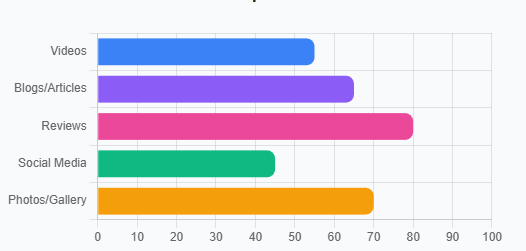
This graph explains that reviews (80%) are the most effective content type, followed by photos/gallery (70%) and blogs/articles (65%). Videos (55%) have moderate impact, while social media posts (45%) show comparatively lower effectiveness.
Key Benefits of Implementing Performance Marketing Campaigns
Performance marketing gives dental clinics several key benefits:
1. Local searches dominate:
Patients often search for dentists close to them, using phrases like “dentist near me” or “emergency dental clinic in [city].” Clinics that show up in these local searches and on Google Maps get many more calls and bookings.
2. The rise of mobile searches:
More than half of dental searches happen on mobile devices. That’s why it’s important to have a mobile-friendly website and fast-loading landing pages. If your clinic’s site is slow or hard to use on a phone, patients might leave and pick another clinic.
3. Patient reviews are more influential than ever:
Online reviews on Google, Yelp, and health directories are very important for patient decisions. Clinics with good reviews are more trusted, and Google often ranks them higher in local searches.
4. Paid ads and organic SEO work best together:
SEO helps your clinic get long-term visibility, while PPC ads can bring in immediate traffic and bookings. Many dental clinics now use both methods, running Google Ads for high-intent services like “Invisalign dentist” and also improving their website content for organic search.
5. Content marketing is growing:
Patients want information before making decisions. Blogs, FAQs, and videos about dental procedures help clinics educate patients, improve trust, and boost search rankings. For instance, a blog about “what to expect during teeth whitening” can attract patients searching for that service.
6. Social media influences decisions:
Platforms like Instagram, Facebook, and YouTube do more than build your brand. They also influence patient choices. Clinics that share educational content, success stories, and promotions can get more engagement and encourage bookings.
For instance, a clinic offering Invisalign in Hyderabad can target the keyword “Invisalign dentist Hyderabad” to attract the right audience at the right time.
Essential Components of a Successful Performance Marketing Strategy
To succeed with performance marketing, dental clinics need to plan and execute their strategy carefully. Each part is important for attracting the right patients, turning leads into bookings, and making sure your marketing budget is used well. Here’s a closer look:
1. Define Clear Goals
Clear, measurable goals are the foundation of any successful campaign. Without them, you can’t track performance or improve your campaigns effectively.
Some example goals include:
- 20 new patient bookings per month
- 50 qualified leads from the website
- Increase appointment calls by 30%
Specific goals help you track progress, measure ROI, and make better decisions.
For instance, you can also set secondary goals like increasing newsletter sign-ups or social media engagement, which supports long-term patient relationships.
2. Keyword Research (Including Long-Tail Keywords)
Keywords are the core of your performance marketing campaigns. Long-tail keywords attract patients who are looking for specific services and usually lead to more conversions than broad terms.
Examples include:
- “Emergency tooth extraction near me”
- “Affordable braces clinic in [city]”
- “Best dental implant clinic for seniors”
For example, someone searching for “pediatric dentist in [city]” is likely ready to book a child’s appointment, so they are more likely to become a patient.
3. Build High-Performance Landing Pages
Landing pages are where potential patients decide to take action, so they need to be designed to encourage conversions. A good landing page should be:
- Fast-loading: Slow pages frustrate users and make them leave.
- Easy to read: Use clear headings, bullet points, and short paragraphs to make your page easier to read.
- Mobile-friendly: Most dental patients search on their phones, so your pages should look good and work well on any device.
For example, if you run an ad about teeth whitening, link it to a landing page with details about the service, pricing, testimonials, and a clear booking button. Don’t mix multiple services on one page, as this can confuse visitors and lower conversions.. PPC Ads for Dental Clinic
PPC ads help your dental clinic reach patients who are actively searching for your services and give you instant online visibility. Unlike SEO, which takes time, PPC ads can bring in traffic and appointments right away.
Best practices include:
- Target location and service keywords: Show your ads to people in your city or nearby areas who are searching for services like “teeth whitening” or “Invisalign dentist.”
- Use call and direction extensions: Make it easy for potential patients to call or find your clinic right from the ad.
- Set a daily budget: This helps you control your ad spending and test which campaigns work best without going over budget.
For example, if you run PPC ads targeting “pediatric dentist near me,” your ad will show up when parents are ready to book an appointment. These ads work well with SEO by giving you instant visibility while your website builds its organic ranking.
Measuring Success: Key Performance Indicators (KPIs)
Track these KPIs to measure your performance marketing success:
- Click-Through Rate (CTR): how many people click your ads.
- Conversion Rate: how many clicks result in bookings or inquiries.
- Cost per Lead (CPL): how much you spend to get a patient lead.
- Return on Investment (ROI): profit compared to ad spend.
- keyword Ranking: check where your important keywords appear in search results.
Tracking these numbers helps you improve your campaigns and get better results.
Conclusion
A good performance marketing plan uses SEO, PPC, local listings, and regular tracking. By reaching the right audience with clear goals and strong landing pages, your dental clinic can attract more patients and keep growing.
Performance marketing makes sure every dollar you spend goes toward real, measurable results.
By following this guide, your campaigns will focus on real results, making sure every marketing dollar benefits your clinic. Performance marketing isn’t just about ads; it’s a patient-focused strategy for long-term success.
FAQs
1. What is performance marketing for dental clinics?
Ans. Performance marketing for dental clinics is a strategy where you pay only for measurable results, such as patient bookings, calls, or form submissions. It focuses on attracting patients who are actively looking for dental services and ensures your marketing budget is spent efficiently.
2. Why is performance marketing important for dentists?
Ans. Performance marketing is important because it helps dental clinics reach patients at the exact moment they need services. It improves visibility on search engines and maps, leading to more bookings and calls. This strategy also allows clinics to measure exactly which ads, keywords, or campaigns are workin.
3. What are the key components of a dental clinic’s marketing campaign?
Ans. The key components include setting clear and measurable goals, conducting thorough keyword research, creating high-quality landing pages, running PPC ads, managing local SEO and patient reviews, and tracking important KPIs. Each component works together to attract the right audience and convert them into patients.
4. How do I measure the success of my campaigns?
Ans. You can measure success by tracking click-through rates, conversion rates, cost per lead, return on investment, and keyword rankings. These metrics provide insights into how well your ads, landing pages, and SEO are performing.
5. Can small dental clinics benefit from performance marketing?
Ans. Yes, small dental clinics can benefit greatly because performance marketing is scalable and cost-effective. Even with a limited budget, small clinics can target their local audience, track results, and adjust campaigns based on performance.