
Written by Shashi Heerekar, Director, OXYGEN Company SEO Expert with 18+ Years’ Experience.
An SEO service provider helps your website rank higher on Google and get more visitors.
An SEO provider is like a doctor for your website. They check what problems are stopping your site from ranking on Google and fix them so more people can find you.
Example:
This doctor (SEO agency or company) knows what the problem is with your website, tries to figure out those problems, and provides treatment (services that your website needs).
This agency tries to improve your website by performing on-page or off-page SEO, or any other requirements that your website needs to have a stable ranking on Google.
For example, if you have created a website that is not visible on Google search, then what is the need for such a website?
Then these SEO doctors will come into the role; they analyze your website and create a strategy that suits your website.
Their main goal is to bring more visitors to your website. More visitors can help your business grow and get more customers.
What Does an SEO Service Provider Actually Do?
Think of an SEO service provider as someone who understands how Google “thinks” and then adjusts your website so it fits those expectations.
From my experience working with businesses, most people assume SEO is just “adding keywords.” It’s not. It’s more like fixing a full ecosystem.
Here’s what they typically handle:
- Keyword research: Finding what your customers are actually searching for (not what you think they search)
- On-page SEO: Optimizing your content, headings, images, and structure
- Technical SEO: Fixing speed, mobile issues, and indexing errors
- Content strategy: Creating blogs, landing pages, and guides that bring traffic
- Link building: Getting trusted websites to link back to you
- Local SEO: Helping you rank on Google Maps and local searches
A good SEO company doesn’t just do tasks; they build a long-term growth plan.
Tools Used in SEO
Tools I Commonly Use in SEO
Over the years, I’ve worked with different tools, but a few have consistently helped in getting clear results.
- Google Analytics – to understand where traffic is coming from and how users behave
- Google Search Console – to track keyword rankings, indexing, and site performance
- Keyword research tools – to find what people are actually searching for
- SEO audit tools – to identify technical issues and opportunities
From my experience, tools don’t do the work for you—but they give the right direction. What really matters is how you use that data to improve your website.
Why Businesses Need SEO Services in 2026
Let me be honest: SEO has changed a lot recently.
With Google’s AI Overviews and smarter algorithms, ranking isn’t about gaming the system anymore. It’s about being genuinely helpful.
Here’s what I’ve noticed businesses struggle with today:
- They have a website… but no traffic
- They run ads… but results stop when the budget ends
- Competitors suddenly outrank them
This is where SEO services step in.
A solid SEO strategy helps you:
- Get consistent, organic traffic (no ad-spend pressure)
- Build trust and credibility
- Show up in AI-driven search results
- Stay competitive in your industry
And honestly, businesses ignoring SEO right now are slowly becoming invisible online.
SEO vs Paid Ads (Quick Answer)
SEO helps your website grow organically over time and brings long-term traffic without paying for each click.
Paid ads give instant results, but traffic stops as soon as you stop spending.
Simple difference:
SEO = long-term growth
Ads = short-term visibility
SEO vs Paid Ads (Comparison Table)
| Factor | SEO | Paid Ads |
| Results Speed | Slow but steady | Instant |
| Cost | Free traffic (after effort) | Pay per click |
| Long-Term Value | High | Low (stops when ads stop) |
| Trust Level | Higher (organic results) | Lower (users know it’s an ad) |
| Sustainability | Long-lasting | Temporary |
How to Choose the Right SEO Service Provider
- ✔ Check real results (rankings, traffic growth)
- ✔ Ask for a clear SEO strategy (not just promises)
- ✔ Avoid “guaranteed #1 ranking” claims
- ✔ Look for long-term approach, not quick tricks
- ✔ Ensure regular reporting and updates
- ✔ See if they understand your business goals
📊 Real Case Study: What I’ve Seen Work in SEO
Over the years, I’ve worked with businesses that had a decent website but almost no visibility on Google.
In one such case, the website was getting around 300–400 visitors per month, mostly through paid ads. There was very little organic traffic.
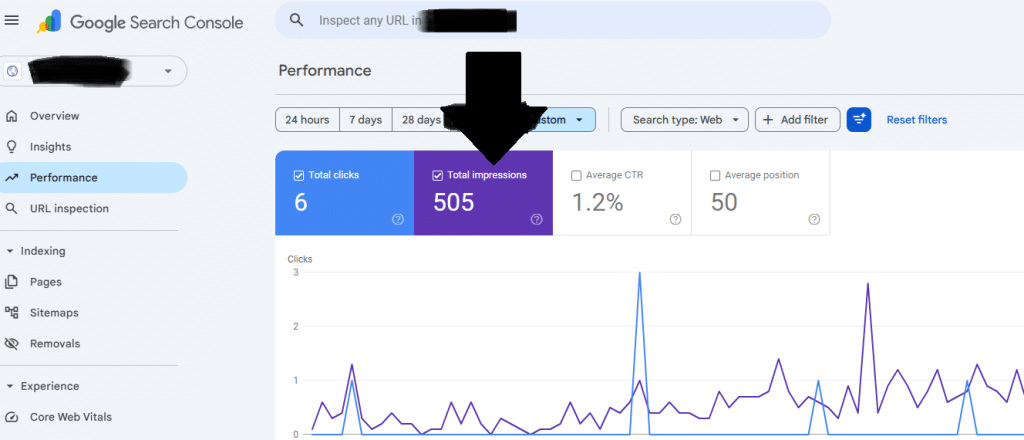
We didn’t do anything fancy—just focused on the basics properly:
- Fixed technical issues (site speed, indexing problems)
- Reworked service pages with the right intent
- Started publishing content based on actual search queries
Within 5 to 6 months, the results were quite clear:
- Traffic grew from 400 to over 8.55k monthly visitors
- Leads increased by nearly 3 times
- Multiple keywords started appearing on the first page of Google
Studies show that around 70% of website traffic comes from organic search, which explains why these results had a strong impact on the business.

The before and after images show how we actually worked on one client’s website. And you can see the results are actually impressive.
According to industry studies, over 65–70% of website traffic comes from organic search.
Types of SEO Services Offered
Not all SEO services are the same, and this is where many businesses get confused.
1. On-Page SEO
This focuses on your website content titles, keywords, structure, and internal linking.
It’s like organizing your shop so customers can easily find things.
2. Off-Page SEO
This is about building authority through backlinks and mentions.
Think of it as “word of mouth” on the internet.
3. Technical SEO
Behind-the-scenes work: site speed, mobile-friendliness, and crawlability.
Most business owners ignore this… until rankings drop.
4. Local SEO
Crucial for small businesses. Helps you appear in “near me” searches and Google Maps.
5. E-commerce SEO
Focused on product pages, categories, and conversion optimization.
Who Should Invest in SEO Services?
In my experience, SEO is not limited to big companies. In fact, it often helps smaller businesses even more.
- Small businesses—to compete locally and attract nearby customers
- Startups – to build visibility without spending heavily on ads
- Service-based businesses – to generate consistent leads
- E-commerce websites – to improve product visibility
- Established brands – to maintain and grow their online presence
How to Choose the Right SEO Company
This part matters more than people realize.
I’ve seen businesses waste months (and money) on the wrong SEO company, usually because everything sounded “too good.”
Here’s how to choose wisely:
- Check real results: Ask for case studies or rankings they’ve achieved
- Avoid guaranteed rankings: No one can guarantee #1 on Google
- Understand their process: They should explain—not confuse you
- Focus on long-term strategy, not shortcuts or tricks
- Look for transparency: Regular reports, clear communication
If it feels like a sales pitch instead of a strategy discussion… that’s your sign.
Real-Life Example (What Good SEO Looks Like)
One small business I worked with had a decent website but almost zero traffic. They were relying only on paid ads.
We focused on:
- Writing blog content targeting real search queries
- Fixing technical issues slowing the site
- Optimizing their service pages
Within 4 to 6 months, they started ranking, and interestingly, their ad costs reduced because organic traffic picked up.
That’s the power of a well-executed SEO service provider strategy.
I’ve also worked with clients outside India. One of our clients from Dubai came to us with a very low domain rating (DR) of 0.20 and almost no visibility on Google.
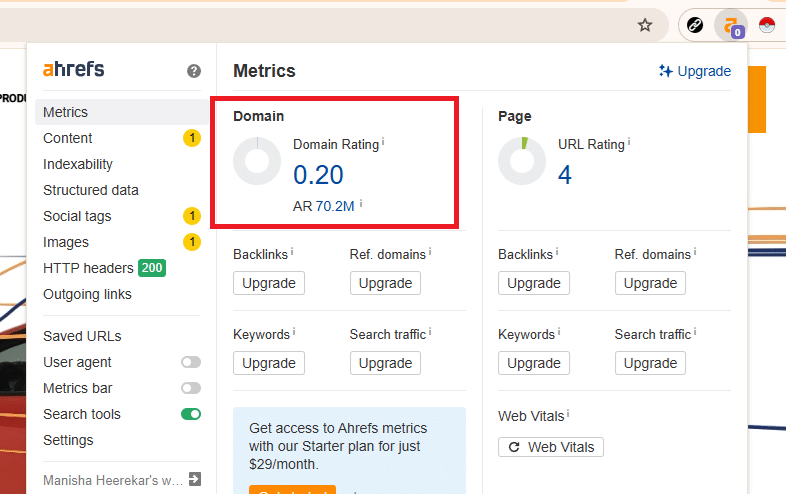
We focused on building authority step by step—creating high-quality articles, improving on-page SEO, and working on the right backlinks.
Within 4 to 6 months, we were able to increase the DR from 0.5 to 6, and their website started ranking on Google for important keywords.
Below is a real result image showing the improvement.
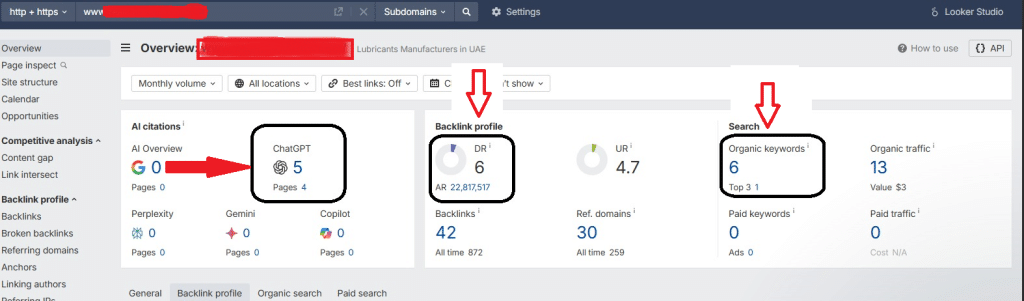
This is a good example of how OXYGEN Company is not just working locally but also delivering results for international clients.
SEO Trends Businesses Should Know (2026)
If you’re investing in SEO today, these trends matter:
- AI-driven search results (Google AI Overviews): Content must answer questions clearly
- Experience-based content: Google prefers real insights over generic info
- Voice and conversational search: People search more naturally now
- Topical authority: Covering a topic deeply works better than random blogs
- User experience signals: Speed, engagement, and usability matter more than ever
Honestly, SEO today feels less like “optimization” and more like “being genuinely useful online.”
📈 SEO Data I’ve Observed Over the Years
If you’ve been in digital marketing long enough, a few patterns become very obvious.
- Most users still begin their journey with a Google search
- A large portion of website traffic, often around 75%, comes from organic search
- SEO-driven leads tend to convert better compared to cold outreach
- People generally trust organic results more than ads
From my experience, businesses that invest in SEO early usually build stronger and more consistent growth compared to those relying only on paid campaigns.
Benefits of Hiring an SEO Service Provider
Still wondering if it’s worth it?
Here’s what businesses usually gain:
- Steady, long-term traffic
- Better lead quality
- Higher conversion rates
- Strong brand credibility
- Reduced dependency on paid ads
And one underrated benefit? Peace of mind. You’re not constantly worrying about where your next customer will come from.
Final Thoughts
An SEO service provider isn’t just a vendor; they’re a growth partner for your business.
If done right, SEO becomes one of the most powerful and cost-effective ways to scale online. But it requires patience, strategy, and the right expertise.
If you’re serious about building a strong online presence in 2026, investing in the right SEO services is no longer optional; it’s essential.
My Personal Take on SEO (After 18+ Years)
If there’s one thing I’ve learned after working in SEO for years, it’s this—ranking alone doesn’t guarantee business results.
I’ve seen websites rank well but still struggle with conversions. At the same time, I’ve seen smaller websites generate steady leads because they focused on the right things.
What really makes a difference is:
- Understanding what the user is actually looking for
- Keeping content simple and clear
- Building trust through genuine expertise
SEO today is no longer about tricks or shortcuts. It’s about being useful, relevant, and consistent. Search engines—and even AI tools—are getting better at identifying that.
Frequently Asked Questions (FAQs)
1. What is an SEO service provider?
An SEO service provider is a professional or agency that helps improve your website’s visibility on search engines like Google. They use strategies like keyword optimization, content creation, and technical fixes to increase organic traffic and rankings.
2. What services does an SEO company offer?
An SEO company typically offers keyword research, on-page SEO, technical SEO, content creation, link building, and local SEO. Some also provide analytics, competitor analysis, and ongoing optimization to improve long-term performance.
3. Why are SEO services important for businesses?
SEO services help businesses attract organic traffic, build trust, and reduce dependency on paid ads. In today’s digital space, strong SEO ensures your business appears when customers search for your products or services.
4. How long does it take to see results from SEO?
SEO is a long-term strategy. Most businesses start seeing noticeable results within 4 to 6 months, but this can vary based on competition, industry, and the current state of the website.
5. How do I choose the right SEO service provider?
Look for proven results, transparent communication, and a clear strategy. Avoid companies that promise instant rankings. A reliable SEO service provider focuses on sustainable growth and follows Google’s best practices.
Call-to-Action (CTA)
Ready to Grow Your Business with SEO?
If you’re serious about improving your online visibility and getting consistent leads, working with an experienced SEO company in Hyderabad can make a real difference.
With over 18 years of experience, I’ve helped businesses build long-term growth through practical and result-focused SEO.