by Shashikanth Heerekar | Oct 25, 2024 | SEO News
Taja AI helps new YouTubers to create and optimize content, manage tasks, connect with their audience, and save up to 90% of the time—an essential tool for YouTube success.
Introduction
In content creation, YouTube has become an essential platform for building an online presence and connecting with an audience. However, creating and managing high-quality video content can take time and effort. Taja AI, or Taja.ai, offers a robust solution tailored to make video production smoother and more efficient, especially for YouTube beginners.
Whether you’re a seasoned creator or just starting, Taja AI offers a range of tools to streamline content creation, automate tasks, and improve video quality. This article will explore the main features, benefits, and how Taja AI and its alternatives can transform your approach to video production.
Key Features of Taja AI
Taja AI is a versatile tool designed to simplify video content creation. It uses advanced AI to generate thumbnails, write video descriptions, create chapters, and more. Here’s a closer look at the features that make Taja.ai an essential tool for content creators.
AI-Generated Thumbnails
Overview:
Thumbnails are the first thing viewers see so a captivating one can make all the difference. Taja AI offers an AI-powered thumbnail generator that automatically creates eye-catching visuals, boosting the chances of higher click-through rates.
Benefit:
Automated thumbnails save time and ensure each video has a professional, visually appealing cover that stands out on YouTube.
Video Description and Chapter Creation
Overview:
A well-crafted video description helps with SEO for videos and makes content easily searchable. Taja AI generates optimized descriptions that capture the video’s main points while using relevant keywords to help rank in search results.
Chapter Creation:
Taja AI also creates timestamps or chapters, improving viewer navigation and helping them find specific content within the video.Improve your video’s accessibility and SEO with AI video transcription services, automatically generating accurate transcripts to enhance viewer engagement and searchability.
Benefit:
These features enhance viewer experience, improve SEO, and make it easier for audiences to engage with longer videos.
Short Cutfowns
Overview:
Short-form content has become increasingly popular among YouTube creators. Taja AI enables users to create short, engaging clips from longer videos, helping them reach a broader audience with snippets that showcase highlights or important points.
Benefit:
Short cutdowns are excellent for social media, as they make it easy to promote YouTube content across multiple platforms, attracting more viewers to the full-length video.
Titles and Tags Generation
Overview:
Titles and tags play a crucial role in making videos discoverable. Taja AI generates optimized titles and relevant tags that increase the likelihood of the video appearing in search results and recommendations.
Benefit:
Automated title and tag generation make aligning content with trending topics and keywords easier, driving better discoverability.
taja ai
How it works – A Step-by-Step Guide
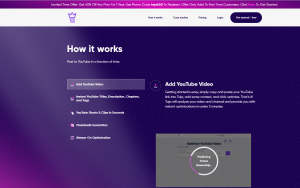
Taja AI is built to simplify video content creation through powerful AI-driven automation. It enables creators to focus more on their ideas and less on the production process. Here’s a breakdown of how Taja AI works from start to finish.
Upload and Analyze Content
- Upload Video: Start by uploading your footage or files into Taja AI. The platform supports various file types, allowing creators to import raw footage easily.
- AI Analysis: Once the video is uploaded, Taja AI’s AI engine will analyze the content. This analysis includes understanding visual elements, identifying speech patterns, and breaking down the video structure to recognize key moments and themes.
Generate Thumbnails and Titles
- AI-Generated Thumbnails: Taja AI uses image recognition and colour analysis to suggest multiple thumbnail options, each optimized for high click-through rates. The AI chooses dynamic frames, enhances colour contrast, and adds text to create attractive, attention-grabbing thumbnails.
- Title and Tag Suggestions: Taja AI provides suggested titles and tags based on trending keywords and phrases that align with the video’s theme. These suggestions are optimized for SEO to help the video gain visibility on YouTube and other platforms.
Create Video Description and Chapters
- Description Generation: Taja AI’s language model writes a well-structured description that summarizes the video’s main points, highlights key phrases, and incorporates keywords to help the video rank in search results.
- Chapter Creation: The AI identifies the main sections or moments in the video to create timestamps. These chapters allow viewers to navigate the content easily and improve user experience.
Cutdowns and Short Content Creation
- Automated Cutdowns: Taja AI can automatically create short-form video versions by extracting highlights, key points, or impactful moments. These shortcutdowns are ideal for sharing on social media or as YouTube Shorts, expanding the reach of the content.
- Short Customization: Users can adjust the short-form content with Taja AI’s editing options, selecting specific moments or clips to ensure the content aligns with branding or messaging goals.
SEO Optimization and Video Analytics
- SEO for Videos: Taja AI optimizes video metadata by analyzing trending keywords, user interest, and competitive tags. This SEO-driven approach improves the likelihood that the video will rank higher in search results, attracting more viewers.
- Analytics and Insights: After publishing, Taja AI provides detailed analytics on viewer engagement, watch time, and interaction rates. These insights allow creators to make data-informed decisions for future content.
Publishing and Social Media Integration
- Direct Upload to Platforms: Taja AI supports direct uploads to YouTube and other social media platforms once all edits are complete. This feature simplifies the publishing process, enabling creators to manage their content strategy seamlessly.
- Social Media Optimization: With short-form cutdowns and optimized thumbnails, Taja AI makes it easy for creators to cross-promote their videos on social media, enhancing visibility and audience engagement across multiple channels.
taja ai
How Taja has impacted creators.
Taja AI has transformed, making high-quality video creation more accessible and efficient. By automating tasks like thumbnail generation, description writing, and video editing, Taja AI saves creators hours of manual work, allowing them to focus more on developing unique ideas and engaging with their audience.
Taja AI levels the playing field for new YouTubers, providing professional tools that help boost visibility, enhance SEO, and streamline workflows. Experienced creators benefit from increased productivity and a data-driven approach, making it easier to create impactful content consistently. Taja AI has empowered creators to elevate their craft while reaching a broader audience.
Taja ai – PRICING
Taja AI offers a range of subscription plans tailored to the needs of different types of creators, each with a specific set of features and pricing. Here’s a breakdown:
- Starter Plan: Designed for beginners, this plan costs $29.99 per month (or $17.99 with a discount) and includes features like AI-generated titles, descriptions, chapters, hashtags, and thumbnails for up to 6 monthly videos.
- Semi-Pro Plan: Geared toward growing creators, this plan costs $49.99 per month (or $29.99 with a discount) and includes the same features as the Starter Plan but for 12 monthly videos.
- Pro Plan: Aimed at professional content creators or businesses, this plan costs $89.99 per month (or $53.99 with a discount) and supports unlimited videos with full access to title generation, description creation, hashtags, thumbnails, and more.
Taja AI offers a yearly billing alternative with discounts for those seeking a more cost-effective annual option. A 7-day free trial is available to help new users explore these features before committing to a subscription.
Conclusion
Taja AI is an innovative tool designed to streamline the process of creating and optimizing video content for YouTube creators. With features like AI-generated thumbnails, video descriptions, chapter creation, and SEO-optimized titles and tags, Taja AI reduces the manual work involved in video production, making it an invaluable resource for new and experienced creators. By automating time-consuming tasks, Taja AI enables creators to produce engaging, SEO-friendly content that reaches a wider audience, helping to grow their channel more efficiently.
FAQs
What is Taja AI used for?
Taja AI assists content creators, especially on YouTube, with automating essential video production tasks. It generates optimized titles, descriptions, thumbnails, and video chapters and even suggests tags and hashtags. These features are designed to improve content discoverability and engagement, saving creators time and effort.
How to use Taja AI for free?
Taja AI offers a 7-day free trial for new users, allowing creators to explore its features before committing to a paid plan. After the trial, users can choose from various subscription plans based on their content needs.
Can Taja AI help with existing videos?
Taja AI can optimize existing videos by suggesting improved titles, descriptions, and tags. Users can input their previously uploaded videos into the tool, and Taja AI will analyze the content to offer tailored recommendations to enhance visibility and engagement.
Is Taja AI suitable for beginners?
Absolutely! Taja AI’s user-friendly interface makes it accessible for creators at all skill levels, including beginners. The intuitive design allows users to easily navigate the features, from video optimization to analytics, making it an excellent tool for those just starting on YouTube.
What makes Taja AI different from other video editing tools?
Taja AI stands out due to its comprehensive AI-driven approach to video content creation and optimization. Unlike traditional video editing tools, which primarily focus on visual edits, Taja AI combines video editing with SEO strategies, analytics, and content planning, making it a holistic solution for content creators looking to improve their reach and engagement.
If you are looking to know more about AI related post you can check dittin ai
by Shashikanth Heerekar | Sep 26, 2024 | All Things about Marketing, SEO News
Master the Way Back Machine with our comprehensive guide and learn how to access and utilize archived web pages for research and nostalgia.
Overview of the Wayback Machine
The Wayback Machine is like a treasure chest for the Internet. It is a website archive that lets you peek into the past of various websites. Imagine having a web archive time machine at your fingertips!
With this incredible archive machine, you can explore how websites have evolved over the years, seeing everything from their design changes to the content they used to feature.
Whether you’re a curious user or a researcher, the Wayback Machine for websites provides invaluable insights into the digital landscape.
It’s a powerful Wayback Machine tool that preserves the rich history of the Internet, ensuring every website is truly recovered in time. So, next time you’re curious about how a website looked years ago, remember that the Wayback Machine has covered you!
How does the Wayback Machine work?
The Wayback Machine captures snapshots of web pages over time, allowing users to see the evolution of a Wayback Machine web page. When you visit the Wayback online, you can enter the URL of any site and explore its archived versions.
This Wayback Machine archive stores millions of snapshots, essentially creating a timeline of the Wayback site. Each capture is tagged with the date and time, enabling you to go back in Wayback time and witness how a website has changed.
Using the Wayback website, you can easily navigate these historical versions and discover content that might no longer be available on the site’s current version.
Here’s a breakdown of how it works:
- Web Crawling: The Wayback Machine’s web crawlers visit websites, download their content, and store it in a database. This includes the HTML code, images, scripts, and other elements that make up the website.
- Indexing: The captured data is indexed, meaning it’s organized and catalogued to be easily searched and retrieved.
- Storage: The indexed data is stored on the Internet Archive’s massive servers, which are designed to handle large amounts of data.
- Retrieval: When a user searches for an archived website, the Wayback Machine searches its index for relevant matches. Once a match is found, the stored data is retrieved and displayed to the user.
The Wayback Machine has a vast archive of websites dating back many years, making it a valuable resource for researchers, historians, and anyone interested in exploring the evolution of the Internet over time.
Why is the Wayback Machine valuable for professionals?
The Wayback Machine is valuable for professionals in various fields because it can capture and preserve historical data from the Internet. Here are some key reasons why it’s beneficial:
Researchers and Historians:
- Documenting societal trends: The Wayback Machine can track societal attitudes, cultural trends, and political landscape changes over time.
- Studying historical events: It provides a valuable resource for exploring historical events and their impact on society.
- Preserving digital heritage: The Wayback Machine helps to preserve digital heritage by archiving websites that might otherwise be lost.
Lawyers and Investigators:
- The Wayback Machine can gather evidence for legal cases, such as documenting online defamation or copyright infringement.
- Investigating fraud: It can help investigate fraud by providing a record of past online activities.
Marketers and Analysts:
- Tracking industry trends: The Wayback Machine can be used to track industry trends and identify changes in consumer behaviour.
- Analyzing competitors: It can help businesses analyze their competitors’ marketing strategies and online presence.
Journalists and Writers:
- Verifying information: The Wayback Machine can verify information and check for inconsistencies in news reports or historical accounts.
- Investigating misinformation: It can help journalists identify and debunk misinformation and fake news.
Overall, the Wayback Machine’s ability to simultaneously provide a snapshot of the Internet makes it a valuable tool for professionals in various fields.
Examples of how professionals use the Wayback Machine
The Wayback Machine is handy for a lot of professionals! Here’s how they often use it:
- Legal Evidence: Lawyers love it for digging up past versions of websites. It’s like having proof in your back pocket to show that something was or wasn’t there, which can be helpful in court, especially for trademark disputes.
- Marketing & SEO: Marketers use it to spy on competitors. By checking out how a competitor’s website looks and what keywords they targeted in the past, they can determine what worked and adapt their own strategies.
- Journalism & Research: For journalists, it’s a lifesaver when a webpage suddenly disappears. They can pull up the archived version and still get the story or verify facts, which is great for staying accurate.
- Content Recovery: Have you ever accidentally deleted something important from your website? The Wayback Machine can help you regain it, saving you from those “oops” moments.
- Academic Research: Researchers use it to study how websites and online content have changed, giving them insight into how digital trends and online behaviours evolved.
- Competitive Analysis: Business analysts often check competitors’ past pricing, product pages, or marketing tactics. It’s a smart way to stay a step ahead!
- Compliance & Auditing: Companies sometimes need to prove what was on their website at a specific time, especially in regulated industries. The Wayback Machine keeps that record safe and sound.
So, whether it’s about gathering evidence, spying on competitors, or saving the day when something goes missing, the Wayback Machine is a tool for many pros!
Tips and tricks for maximizing the Wayback Machine’s potential
The Wayback Machine is a powerful tool for historical research and data retrieval. Here are some tips and tricks to help you get the most out of it:
- Use Specific URLs: Instead of just searching the main website (e.g., “example.com”), try using more specific URLs (e.g., “example.com/about”) to go directly to the page you’re interested in. This gives you a clearer view of how that page looked in the past.
- Check Multiple Snapshots: The Wayback Machine often takes snapshots of a page on different dates. To see how a page evolved, explore several dates to track design, content, or strategy changes over time.
- Compare Side-by-Side: To see how a website has changed, open two browser windows and load different versions of the site. This will help you easily spot the differences.
- Use the “Save Page Now” feature: Did you find something interesting that might disappear soon? Using the “Save Page Now” feature on the Wayback Machine’s homepage, you can save a web page. It’s a great way to create an archive copy for future reference.
- Use Advanced Search Techniques: To find archived page versions from a specific period, you can use filters to narrow the date range. This makes it easier to find relevant snapshots from a particular time frame.
- Look Beyond Websites: The Wayback Machine archives websites as well as images, PDFs, and other downloadable content. If you’re searching for something that’s no longer available, try exploring these other file types.
- Check Broken Links: If you stumble upon a broken link, plug it into the Wayback Machine. There’s a good chance you’ll find an archived version of the page, making it a fantastic tool for content recovery.
- Bookmark Key Pages: If you’re doing ongoing research, bookmark important archived pages or snapshots. This makes it easy to revisit them without having to search again.
- Explore Site Maps: Some websites have archived their full sitemaps, which can be super helpful if you’re trying to get a feel for the overall structure and content of a site from a certain period.
- Use Browser Extensions: Browser extensions like “Wayback Machine” or “Web Archive” let you quickly access archived pages without having to visit the main website. If you use these tools regularly, they can save you a lot of time.
By using these tricks, you’ll get even more out of the Wayback Machine, whether researching, recovering content, or just strolling down Internet memory lane!
Frequently Asked Questions
What is the Wayback Machine used for?
The Wayback Machine is like a time machine for the Internet. It allows users to view old versions of websites, which is great for seeing how a site looked in the past, recovering lost content, researching changes over time, or even finding web pages that no longer exist.
Is the Wayback Machine still working?
Yes, the Wayback Machine is still up and running! It constantly captures new snapshots of web pages, so you can keep exploring or archiving the Internet’s history like always.
What is a way back?
“Wayback” refers to the idea behind the Wayback Machine—it’s about going back in time. The term comes from travelling to the past, allowing you to revisit older versions of websites and see how they’ve been.
How can I see old internet pages?
The Wayback Machine is your go-to tool for seeing old internet pages. Just enter the URL of the website you want to check out, and it’ll show you a timeline with snapshots of how that page looked on different dates.
Is there anything better than the Wayback Machine?
While the Wayback Machine is the most popular tool for viewing archived web pages, there are alternatives like Archive. is and PageFreezer. These services also offer web archiving, but the Wayback Machine remains the top choice because of its extensive Archive and user-friendly interface.
Conclusion
Wayback Machine is a useful tool that lets you see how websites looked in the past. It helps you find old information, track website changes, or recover lost pages. Whether you’re researching, checking how a site has changed, or just curious about the Internet’s history, the Wayback Machine makes it easy to explore old web pages and keep the past alive.
by Shashikanth Heerekar | Sep 26, 2024 | All Things about Marketing
Discover how influencers shape the latest marketing trends, impacting brand growth and consumer engagement today.
Introduction to Influencers
Influencers are individuals who have the power to affect the purchasing decisions and behaviours of others due to their authority, knowledge, position, or relationship with their audience.
Influencers have become a driving force in today’s marketing world, playing a huge role in how brands connect with their audience. They’re not just about gaining followers; influencers help shape how brands reach out and engage. From securing brand deals for influencers to partnering with brands looking for influencers, their impact is significant.
Furthermore, the changing dynamics of influencer marketing are evident as even brands seeking small influencers recognize the value in this approach. Niche influencers, whether big or small, have the power to forge authentic connections with target audiences, revolutionizing the marketing game for brands worldwide.
The Power of Influencers in Marketing
The power of influencers in marketing is undeniable. With over 3.6 billion people using social media globally, influencers have become key players in connecting brands with vast audiences.
Studies show that 49% of consumers depend on influencer recommendations when purchasing. This trend is only growing, as 90% of marketers find influencer marketing effective for brand awareness.
Moreover, influencers often drive engagement significantly higher than traditional advertising methods. For example, influencer posts can achieve engagement rates of up to 6.7%, compared to just 1% for brand-owned content.
This makes influencers not only valuable for promoting products but also for building authentic relationships with audiences. As brands look for innovative ways to connect, leveraging influencers is increasingly becoming a crucial strategy in the marketing landscape.
How to Identify the Right Influencers for Your Brand
Identifying the right influencers for your brand is crucial for the success of your marketing campaigns. Here’s how to do it effectively:
- Define Your Goals: Start by determining what you want to achieve with your influencer marketing campaign. Clear goals are essential, whether increasing brand awareness or driving sales. According to a survey, 72% of marketers believe influencer marketing is a key driver of brand awareness.
- Know Your Target Audience: Understand who your ideal customers are. With 70% of teens trusting influencers more than traditional celebrities, it’s important to align your influencer choice with the demographics and interests of your target market.
- Research Influencer Niches: Look for influencers who specialize in your industry. For example, 61% of consumers are more likely to engage with a brand that collaborates with a niche influencer than a general influencer.
- Check Engagement Rates: Engagement is a crucial metric. Posts by micro-influencers (those with 1,000 to 100,000 followers) can achieve up to 6.7% engagement rates, while macro-influencers (100,000 to 1 million followers) average around 2.3%. This shows that smaller influencers often have a more engaged audience.
- Review Content Quality: Assess the quality of the influencer’s content. Brands that prioritize content quality often see a 12 times higher ROI. Look for authentic, high-quality posts that resonate with their audience.
- Analyze Brand Alignment: Ensure the influencer’s values and messaging align with your brand. About 63% of consumers feel more positive about a brand after seeing it endorsed by an influencer they trust, highlighting the importance of alignment.
- Utilize Influencer Platforms: Use influencer marketing platforms to find suitable candidates. These platforms provide valuable insights, and studies indicate that 85% of marketers find them helpful in identifying the right influencers.
- Engage with Potential Influencers: Before reaching out, engage with potential influencers by liking and commenting on their content. This not only builds rapport but also showcases your genuine interest.
- Reach Out for Collaboration: Once you’ve identified suitable influencers, send a personalized message explaining why they would be a great fit for your brand. Research shows that 79% of consumers prefer to receive customized brand offers.
By implementing these strategies and considering these statistics, you can effectively identify the right influencers to elevate your brand and connect meaningfully with your audience.Many businesses now rely on sophisticated tools, such as an AI-powered influencer marketing platform, to streamline the process of finding and managing collaborations with the most relevant creators for their campaigns.
The future of influencer marketing
The future of influencer marketing looks bright and full of opportunities. Brands are expected to spend over $15 billion on influencer marketing by 2022, with many planning to increase their budgets even more. Micro and nano influencers, with smaller but more engaged followings, are becoming increasingly popular, as 82% of consumers trust their recommendations.
Video content is also taking centre stage, with 54% of people wanting to see more videos from influencers. Additionally, about 70% of teens find influencer ads more appealing than traditional ones, and many would buy directly from an influencer’s post.
Authenticity matters, too, as 86% of consumers prefer honest and transparent endorsements. With the rise of virtual influencers and more marketing platforms available, the influencer marketing landscape will continue to evolve, making it an essential strategy for brands moving forward.
Conclusion
Leveraging influencers’ potential can greatly enhance business success. By partnering with the right influencers, brands can reach their target audience more effectively and authentically.
Influencers play a crucial role in building trust and engagement, which helps businesses connect with consumers more effectively. As influencer marketing expands, brands should adopt and leverage this strategy. Through thoughtful planning and strategic partnerships, companies can harness the influence of these prominent figures to increase sales and enhance brand visibility.
by Shashikanth Heerekar | Sep 26, 2024 | All Things about Marketing
Dive into the world of networking movies that emphasize the art of making connections. Gain essential skills for career advancement!
Introducing the world of networking movies
Networking movies focus on the importance of building and nurturing professional relationships. They often showcase characters who navigate social situations, demonstrating how connections can lead to personal and career growth.
As the business landscape evolves, networking is becoming increasingly vital; it helps professionals find new opportunities, collaborate with others, and share knowledge.
These movies educate and entertain, offering valuable insights into effective communication and relationship-building. This dual purpose makes them an increasingly popular choice for those seeking to enhance their networking skills in the real world.
The Power of Networking Movies in Professional Development
Networking movies significantly impact professional development, offering valuable lessons and inspiration. Studies show that nearly 85% of jobs are filled through networking, highlighting its importance in career advancement. Watching these films can improve your understanding of social dynamics and relationship-building skills.
Additionally, 74% of professionals believe networking is crucial for their success, as it opens doors to new opportunities and collaborations. Movies focusing on networking often depict real-life scenarios, allowing viewers to learn effective connecting strategies. By watching these films, individuals can boost their confidence and enhance their ability to create meaningful professional relationships, ultimately leading to better career outcomes.
Top Networking Movies to Watch for Inspiration and Insight
Here are some of the best networking movies that offer inspiration and valuable insights into building professional relationships:
The Social Network (2010)
This film tells the story of Mark Zuckerberg and the creation of Facebook. It highlights the power of connections in the tech world and how networking can lead to massive success.
Moneyball (2011)
Based on a true story, this film showcases how innovative thinking and collaboration in sports can change the game. It emphasizes teamwork and the importance of relationships in achieving goals.
The Pursuit of Happyness (2006)
This inspiring story of perseverance demonstrates how networking and forming connections can help overcome obstacles. It shows that building relationships is key to achieving personal and professional dreams.
Joy (2015)
Focusing on an entrepreneur’s journey, this film illustrates how networking plays a crucial role in business development and emphasizes the importance of surrounding yourself with supportive people.
The Intern (2015)
This film highlights intergenerational networking and collaboration. It showcases how building relationships in the workplace can lead to mutual growth and success.
Chef (2014)
It is a heartwarming story about a chef who reclaims his passion for cooking through social media and networking. It emphasizes the importance of following your passion and leveraging connections to succeed.
The Devil Wears Prada (2006)
This film provides insights into the fashion industry and showcases how relationships and networking are vital for career advancement, particularly in competitive fields.
These movies entertain and offer valuable lessons on the art of networking, making them perfect for anyone looking to enhance their professional development.
How Networking Movies Can Enhance Your Networking Skills
Networking movies can be powerful tools for developing essential networking skills. Here are some statistics that highlight their impact:
- Learning through Stories: Studies show that 65% of people remember information better when presented in a story format. Networking movies provide relatable scenarios that can teach viewers effective relationship-building strategies.
- Improved Communication: A survey shows that 93% of communication is non-verbal. Networking films often illustrate body language and social cues, helping viewers understand the importance of these elements in networking.
- Increased Confidence: Research indicates that 75% of professionals feel more confident after watching motivational films. Networking movies inspire viewers to step out of their comfort zones and engage with others more effectively.
- Understanding Social Dynamics: A study found that 78% of professionals believe observing others in social situations helps them improve their networking skills. Movies depict various networking scenarios, allowing viewers to learn from characters’ successes and mistakes.
- Application of Concepts: Approximately 82% of viewers apply lessons learned from movies to real-life situations. Watching networking films can encourage individuals to practice networking techniques personally and professionally.
- Motivation to Network: About 68% of viewers report feeling motivated to connect with others after watching films focused on networking. This can lead to increased networking activities and a broader professional circle.
Networking movies can significantly enhance your networking skills by showcasing relatable situations and effective strategies, making them a valuable resource for personal and professional growth.
The Impact of Networking Movies on Career Growth
Networking movies, though fictional, can teach us important lessons about career development. They often highlight how building connections and relationships can help us advance in our careers. Here are some ways these films can positively impact our professional growth:
Inspiring a Growth Mindset:
-
- Overcoming Challenges: Many characters face tough obstacles but succeed thanks to their connections. This can inspire us to believe we can overcome our challenges.
- Seizing Opportunities: These films show the importance of taking risks and grabbing opportunities, encouraging us to be proactive in our careers.
Demonstrating the Value of Relationships:
-
- Building Trust: Networking movies highlight the importance of creating strong, trusting relationships. This helps us see the value of making professional connections.
- Leveraging Networks: The films often show how we can use our networks to reach career goals, like finding new jobs or getting promotions.
Teaching Effective Networking Skills:
-
- Active Listening: Characters in these movies are often great listeners, which can motivate us to improve our listening skills and strengthen our connections.
- Building Rapport: The films demonstrate building rapport and creating positive relationships with others.
Encouraging Continuous Learning:
-
- Staying Relevant: Networking movies stress the importance of keeping up with industry trends and learning new skills, motivating us to invest in our professional growth.
- Expanding Knowledge: Characters often seek mentors or attend industry events to broaden their knowledge and networks.
While these movies may not give a step-by-step guide to success, they provide valuable insights and motivation. By watching them and applying their lessons, we can build stronger networks, reach our career goals, and achieve long-term success.
Concluding Thoughts
Networking movies offer valuable lessons about building relationships that can boost our careers. They inspire us to take action, show the importance of trust and rapport, and teach skills like active listening and effective communication.
These films also highlight the need for continuous learning and staying updated in our fields. They remind us that success often comes from our connections and how we use them. Learning from these movies can enhance our careers and help us achieve our goals.
by Shashikanth Heerekar | Sep 26, 2024 | All Things about Marketing, SEO News
Optimize your link acquisition process with these expert tips and tricks. Improve your SEO and watch your website climb the rankings!
What is Link Acquisition?
Link acquisition, the process of obtaining backlinks from other websites to your own, is a key strategy for enhancing your website’s authority and search engine rankings. Backlinks are crucial as they can significantly enhance your site’s visibility; websites with more quality backlinks typically rank higher in search results.
Around 31% of all web traffic comes from search engines, where strong backlinks are essential. Additionally, acquiring links from respected sites helps build your brand’s credibility, as about 75% of users never scroll past the first page of search results.
The process of link acquisition not only boosts your SEO but also fosters relationship-building within your industry, leading to valuable connections. Key statistics underscore the importance of link acquisition: pages with over 100 backlinks often achieve better rankings, and around 90% of backlinks should be dofollow to improve SEO effectively. Ultimately, link acquisition is vital for driving traffic, enhancing credibility, and increasing your online presence.
The Importance of Link Acquisition for Your Website
In today’s digital world, link acquisition is key to Search Engine Optimization (SEO). Links are hyperlinks from other websites that point to your site and act like votes of confidence. These links can greatly improve your website’s visibility and ranking in search engine results.
Here’s why link acquisition is important for your website:
- Better Search Engine Ranking:
- Google’s Algorithm: Google looks at the number and quality of backlinks to determine your website’s ranking.
- Relevance: Links from relevant sites indicate to search engines that your content is valuable.
- Increased Website Traffic:
- Visibility: Higher rankings mean more people will see your website.
- Referral Traffic: Backlinks can bring direct visitors from the sites linking to you.
- Stronger Domain Authority:
- Trustworthiness: A high domain authority shows that your site is reliable.
- Credibility: Links from trusted websites boost your content’s credibility.
- Improved Brand Visibility:
- Brand Recognition: Backlinks can help more people recognize your brand.
- Online Reputation: A good backlink profile can enhance your reputation online.
- Enhanced User Experience:
- Relevant Content: Backlinks often lead to high-quality, relevant content.
- Engagement: Good content keeps users engaged and on your site longer.
Types of Links:
- Inbound Links: Links from other websites to yours.
- Outbound Links: Links from your website to other sites.
- Internal Links: Links between different pages on your website.
Strategies for Link Acquisition:
- Guest Posting: Write articles for other websites in your field and include links to your site.
- Broken Link Building: Find broken links on other sites and suggest your content as a replacement.
- Directory Submissions: Add your website to relevant online directories.
- Social Media Sharing: Share your content on social media to encourage others to link to it.
- Email Outreach: Contact website owners and bloggers to request links.
Remember, getting quality backlinks from reputable sites is more important than having many low-quality links. Avoid spammy links, as they can hurt your website’s reputation.
Identifying High-Quality and Relevant Websites for Link Acquisition
Getting backlinks from high-quality and relevant websites is essential for improving your search engine ranking and authority. Here are some important factors to consider when looking for sites to link to yours:
-> Relevance:
-
- Niche Alignment: Make sure the website’s topic closely matches yours.
- Content Quality: Check if the content on the website is high-quality and relevant.
-> Authority:
-
- Domain Authority: Use tools like Moz’s Domain Authority to see how trustworthy the website is.
- Backlink Profile: Look at the website’s backlinks to assess its credibility.
-> Traffic:
-
- Website Traffic: Use tools like SimilarWeb or Ahrefs to check how much traffic the site gets.
- Engagement Metrics: Look at how long visitors stay on the site and its bounce rate.
-> Content Quality:
-
-
- Original Content: Ensure the site publishes unique, high-quality content.
- Updates: Check if the site regularly adds fresh content.
-> Link Profile:
-
- Natural Links: Avoid sites with too many unnatural or spammy links.
- Link Diversity: Look for sites with links from various sources.
-> User Experience:
-
- Mobile-Friendliness: Make sure the website is easy to use on mobile devices.
- Site Speed: Ensure the site loads quickly.
-> Reputation:
-
- Online Reviews: Look for reviews and feedback about the site online.
- Social Media Engagement: Check how active the site is on social media.
-> Ethical Considerations:
-
- No-Follow Tags: Avoid sites that use too many no-follow tags, as they reduce link value.
- Paid Links: Don’t buy or exchange links, as this is considered bad practice in SEO.
By evaluating these factors, you can find high-quality and relevant websites that will provide valuable backlinks to your site.
The Benefits and Risks of Link Acquisition Strategies
Link acquisition is the process of getting backlinks to your website from other sites. It’s a key part of search engine optimization (SEO). While link acquisition has many benefits, it’s also important to be aware of the potential risks.
Benefits of Link Acquisition:
- Better Search Engine Ranking: High-quality backlinks can help your website rank higher in search results. Studies like those from Moz show that backlinks are crucial for ranking well on Google.
- Increased Website Traffic: Backlinks can bring more visitors to your site from the sites linking to you. Research from Backlinko shows a strong link between the number of backlinks and traffic.
- Enhanced Domain Authority: Getting backlinks from trusted websites can improve your domain authority, which shows how credible and trustworthy your site is.
- Improved Brand Visibility: Backlinks can help more people discover and recognize your brand.
- Better User Experience: Links from relevant sites often lead to quality content, enhancing the overall experience for users visiting your site.
Risks of Link Acquisition:
- Search Engine Penalties: Using unethical methods, like buying or exchanging links, can result in search engine penalties, which can hurt your rankings.
- Negative Reputation: Low-quality or spammy backlinks can damage your site’s reputation.
- Wasted Efforts: Ineffective link acquisition strategies can save you time and resources.
- Algorithm Changes: Search engine algorithms are always changing, which can affect the effectiveness of your link acquisition strategies.
Key Considerations for Link Acquisition:
- Quality Over Quantity: Focus on getting high-quality backlinks from relevant sites instead of just trying to collect many links.
- Natural Links: Avoid forced or unnatural links, which can look spammy.
- Diversity: Create a varied backlink profile with links from different sources.
- Ethical Practices: Stick to ethical link acquisition methods to protect your site’s reputation.
- Monitor and Adjust: Monitor your backlink profile and change your strategies.
By understanding the benefits and risks of link acquisition and following these best practices, you can effectively use backlinks to improve your website’s SEO and reach your online marketing goals.
Conclusion
Link acquisition is essential for improving your website’s SEO and online visibility. Quality backlinks can boost your search rankings, drive traffic, and enhance your brand’s credibility. However, it’s important to be careful and avoid unethical practices that can harm your site’s reputation.
Focus on getting high-quality, diverse links and always follow ethical methods. By monitoring your backlink profile and adjusting your strategies, you can successfully use link acquisition to reach your online marketing goals. With the right approach, backlinks can be a valuable asset for your website.