by Shashikanth Heerekar | Sep 3, 2024 | All Things about Marketing
Introduction
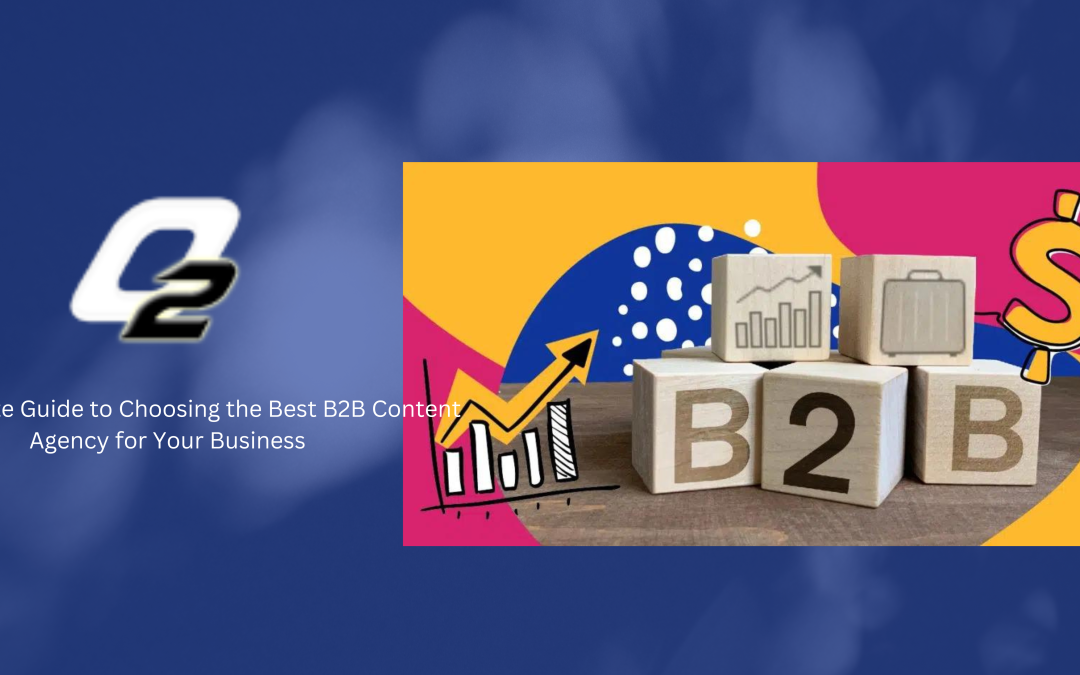
In today’s B2B landscape, a strong content strategy is crucial for standing out and achieving business growth. This strategy focuses on creating valuable content tailored for other businesses, such as blog posts, white papers, and case studies. These materials address the specific needs and challenges of your target audience.
To ensure your content reaches the right people, SEO optimization helps improve its visibility on search engines, driving more traffic to your site. Content distribution involves sharing your content through social media, email newsletters, and industry forums to maximize reach and engagement.
Performance analytics are key to understanding how well your content is working. By tracking metrics like engagement, click-through, and conversion rates, you can see what’s effective and make necessary adjustments.
Overall, a well-planned B2B content strategy helps build your brand’s credibility, attract high-quality leads, and drive business growth, making it an essential part of your marketing efforts.
Benefits of a B2B Content Agency:
Partnering with a B2B content agency offers significant advantages. They create expert content, delivering high-quality materials like blog posts and white papers tailored to your industry. The agency brings strategic planning to ensure content aligns with your business goals and excels in SEO optimization to boost visibility on search engines.
They handle content distribution across the right channels and offer performance analytics to track effectiveness and refine strategies. A B2B content agency enhances your brand’s authority, generates valuable leads, and supports business growth. They ensure enhanced content quality by producing professional, well-researched materials.
Their targeted marketing strategies help businesses reach the right audience with tailored messaging. This strategy enhances brand authority by positioning your business as a thought leader through valuable and insightful content. It also improves lead generation by attracting and engaging potential clients, which in turn helps generate high-quality leads.
It also boosts customer engagement, keeping your audience interested and involved with your brand.Additionally, a strategic approach ensures better alignment with business goals, ensuring that content supports overall marketing and sales objectives. Higher conversion rates are achieved as effective content nurtures leads through the sales funnel.
Furthermore, quality content enhances SEO performance, improving search engine rankings and driving more organic traffic. Finally, valuable insights from content performance analytics help refine your strategy, allowing for data-driven decisions and continuous improvement.
Services Offered:
B2B content strategy agencies provide different services to help business connect with their target audience and reach their marketing goals. Here are some of the key services they typically offer:
Content Creation
Blog posts: Creating informative and engaging blog posts to attract and educate potential customers.
Articles: Developing articles for industry publications and thought leadership platforms.
Whitepapers: Producing in-depth reports on industry trends and challenges.
Case studies: Highlighting successful customer stories to showcase the product or service’s value.
E-books: Creating comprehensive guides on specific topics to establish expertise.
Content Strategy
Content audits: Assessing existing content to identify strengths, weaknesses, and opportunities for improvement.
Content calendars: Developing a plan for content creation and publication.
Keyword research: Identifying relevant keywords to optimize content for search engines.
Topic generation: Brainstorming ideas for content that will resonate with the target audience.
Content Marketing
Social media management: Creating and managing content to drive engagement and reach.
Email marketing: Email marketing involves sending targeted emails to build relationships with potential customers. It nurtures leads by offering useful content and personalized deals, keeping them engaged and guiding them to become loyal customers.
Content syndication: Distributing content on relevant third-party platforms.
Analytics and reporting: Tracking key metrics to measure the effectiveness of content marketing efforts.
Other Services
Copywriting: Creating compelling copy for website content, marketing materials, and other collateral.
SEO optimization: Optimizing content for search engines to improve visibility.
Content curation: Selecting and sharing relevant content from other sources.
By partnering with a B2B content strategy agency, Businesses can tap into expert knowledge and valuable resources to improve their strategies and outcomes—professionals specializing in creating and distributing effective content.
Choosing the Right Agency:
Assess Expertise: Make sure the agency knows your industry well.
Check Industry Experience: See if they’ve worked with businesses like yours.
Read Client Reviews: Check what past clients say about their work to ensure they’re reliable and effective.
Emerging Trends and Innovations in BB Content Marketing
As B2B content marketing evolves, several emerging trends and innovations are reshaping strategies. Keeping up with these changes is crucial for staying competitive and effective, maintaining a competitive edge, and maximizing marketing effectiveness. Here’s a look at key trends to watch:
AI-Driven Content Creation and Personalization
Artificial Intelligence (AI) transforms content creation by analyzing data to generate and personalize content. AI tools suggest relevant topics and tailor messages to individual preferences, enhancing engagement through highly customized experiences. This innovation helps B2B marketers connect more effectively with their audience and boost conversion rates.
Engaging Content
Interactive content like quizzes, polls, and infographics is becoming more popular momentum. This format engages users actively and provides valuable insights into their preferences and behaviours. By incorporating interactive elements, businesses can foster deeper connections with their audience and enhance user participation.
Video and Live Streaming
Video content remains a strong and effective tool, especially for engaging audiences. B2B companies use live webinars, virtual events, and video case studies to connect with their audience in real time. These approaches create more engaging and genuine interactions, helping to build trust and increase audience participation.
Content Experience Optimization
Optimizing the overall content experience—how content is presented, navigated, and consumed—is crucial. This includes ensuring mobile-friendliness, fast load times, and intuitive interfaces. A seamless content experience improves user satisfaction and encourages longer engagement.
Voice Search and Conversational AI
As voice search grows, optimizing for it is crucial. Chatbots and virtual assistants now offer instant support and personalized recommendations, improving accessibility and user experience increasingly used to provide immediate support and personalized content recommendations. Adapting strategies to include these technologies enhances accessibility and user experience.
Data-Driven Insights and Analytics
Advanced analytics tools are essential for fine-tuning content strategies. By analyzing data on how content performs, audience behaviour, and market trends, B2B marketers can make smart decisions and continually improve their content to better satisfy their audience’s needs.
Emphasis on Thought Leadership and Industry Authority
There’s a growing need for thought leadership content. By sharing expert insights, research, and new ideas, your company can establish itself as a leader in the industry. This builds your credibility, attracts high-quality leads, and boosts your brand’s reputation.
Augmented Reality and Virtual Reality
(AR) and (VR) are making their mark on B2B content marketing. These technologies offer interactive product demos, virtual tours, and engaging training experiences, providing unique and memorable ways to make your brand memorable and engage your audience.
Focus on Sustainability and Corporate Social Responsibility
Sustainability and(CSR) are increasingly important in content marketing. You connect with audiences who care about these values by showcasing your commitment to ethical practices and environmental issues. These build brand loyalty and attract clients who share the same values.
Enhanced Content Distribution Strategies
As content saturation grows, innovative distribution strategies are vital. Advanced targeting techniques, cross-channel distribution, and strategic partnerships ensure that content reaches the right audience at the right time, enhancing visibility and effectiveness.
Incorporating these trends into your B2B content marketing strategy helps you stay ahead, engage more effectively, and achieve better results. Embracing these innovations allows you to create impactful, relevant content that drives business growth in a competitive market.
Conclusion:
A B2B content agency is a powerful ally for businesses looking to enhance their marketing efforts and drive growth. By offering specialized services such as high-quality content creation, strategic content planning, and SEO optimization, these agencies ensure that your content engages your target audience and ranks well on search engines.
Their expertise in content distribution ensures that your materials reach the right platforms and channels. At the same time, performance analytics provide helpful information on how well your content is doing and where improvements can be made.Partnering with a B2B content agency allows businesses to leverage expert knowledge and advanced strategies to build brand authority, generate high-quality leads, and achieve significant growth.
Their thorough approach manages every part of your content strategy, helping you stand out and achieve great results. With their help, you can focus on your main business while benefiting from a strong content plan that supports your goals. A B2B content agency is a strategic partner, elevating business success by creating high-quality content.
By meticulously crafting tailored content strategies, these agencies effectively engage other businesses and generate valuable leads. Through ongoing performance analysis, they refine their approach, ensuring maximum impact. By collaborating with a B2B content agency, companies can enhance their marketing efforts, establish their brand’s identity, and drive substantial growth.
by Shashikanth Heerekar | Aug 31, 2024 | All Things about Marketing, SEO News
SEO, the backbone of any successful online marketing strategy, acts as a beacon in the vast ocean of the internet, guiding users to your content organically without needing paid advertisements.
Introduction
Organic traffic, the most valuable type of traffic due to its sustainability and cost-effectiveness, is visitors who come to know your website through search engine results. But how do you harness the power of SEO services to drive this valuable traffic? In this article, we’ll delve into actionable SEO tips that can help you increase your organic search rankings.
Understanding the Basics of SEO
What is SEO?
This requires a combination of strategies, techniques, and ideas to increase the quantity and quality of organic traffic to your website. When done correctly, SEO ensures that your website is easily discoverable by users actively searching for information related to your business or niche.
How SEO Impacts Organic Traffic
SEO directly influences how much organic traffic your website receives. The better your website ranks for specific keywords, the more prominently it appears to potential visitors. Unlike paid traffic, this visibility is earned organically, bringing in the users who are actively searching for what you offer. Unlike paid traffic, organic traffic is gained through relevance and quality content, making it more likely to attract truthful users interested in what you offer.
Keyword Research
Importance of Keyword Research
Conducting keyword research is essential to any SEO plan. It entails identifying the precise words and searches prospective clients use to find information about your goods and services. Knowing these keywords will help you better target your content to the particular requirements of your audience, increasing the likelihood that it will appear higher in search engine results.
Tools for Keyword Research
There are several tools available that can help you conduct effective keyword research. These tools offer information about search traffic, competition, and related terms you may have yet to consider.
Google Keyword Planner
It is a very useful tool for discovering new keywords that are related to your business. It estimates search volume and suggests bid amounts for each keyword, making it useful for SEO and planning pay-per-click (PPC) campaigns.
SEMrush and Ahrefs
SEMrush and Ahrefs are premium SEO tools that offer comprehensive keyword research features. They provide in-depth analysis of keyword difficulty, competitor rankings, and search trends, helping you find high-value keywords that bring traffic to your site.
Long-Tail Keywords vs. Short-Tail Keywords
As we know, Long-tail keywords are longer, more specific phrases that users search for, while short-tail keywords are broader and more general. For example, “best Italian restaurant in New York” is a long-tail keyword, whereas “Italian restaurant” is a short-tail keyword. Long-tail keywords are generally less competitive.
On-Page SEO Techniques
Optimizing Meta Titles and Descriptions
Meta titles and descriptions are very crucial elements of on-page SEO. They serve as the first impression users get of your website in the search results. Well-crafted meta titles and descriptions can significantly improve your click-through rate (CTR). Ensure they include your target keywords and accurately reflect the page’s content.
Importance of Header Tags (H1, H2, H3)
Header tags (H1, H2, H3, etc.) structure your written content, making it easier for users and search engines to understand. The H1 tag must contain your primary keyword and indicate the page’s content. Subsequent headers (H2, H3) should break the content into sections, with each focusing on a specific subtopic.
Image Optimization (Alt Text, File Names)
Although images are a vital component of web content, improper optimization might cause your site to load more slowly. Use alt text and descriptive file names to aid search engines in comprehending the substance of your photographs. This lets you add more keywords to your page and makes it more accessible for people who are blind or visually impaired.
Internal Linking Structure
Internal linking really helps search engines crawl your site more effectively and keeps users engaged by guiding them to related content. Try to use descriptive anchor text for your internal links to improve your SEO while providing value to your readers.
Content Quality and Readability
When it comes to search engine optimization, content is the king. Watch your SEO efforts take off by concentrating on producing material that is interesting, simple to read, and packed with keywords.
Off-Page SEO Strategies
Building High-Quality Backlinks
Backlinks—links from another website to your own—are a major factor in SEO. Focus on earning backlinks from top authoritative sites in your niche in content creation, guest blogging, and outreach.
Guest Blogging
It is one of the great ways to backlinks and increase your site’s visibility. By contributing valuable content to other blogs in your industry through reliable guest posting sites, you can establish yourself as an authority while driving referral traffic back to your site.
Social Media Influence on SEO
Although social media do not directly affect rankings, they can impact your SEO efforts by making your content more visible. You may raise your content’s position in search results by getting more likes, shares, and backlinks from social media posts.
Local SEO Practices
Local SEO is important for businesses that serve a specific geographic area. To improve your reach in local search results, optimize your Google My Business profile, use location-specific keywords, and encourage customer reviews.
Technical SEO
Website Speed and Performance
Both SEO and user experience depend heavily on a website’s performance. Lower ranks and increased bounce rates are two consequences of a slow-loading website.
Mobile-Friendliness
A mobile-friendly website is now mandatory, as most web traffic originates from mobile devices. Make sure your website is responsive, which means it can be easily accessed on mobile devices and adapts to any device’s screen size.
XML Sitemaps and Robots.txt
XML sitemap, which helps search engines to know your site’s structure and index it more effectively. Meanwhile, the robots.txt file tells search engines which pages they should or shouldn’t crawl. Both are important for ensuring your site is fully optimized for search engines. Regular monitoring and adjustments are the unsung heroes of effective SEO. By monitoring your site’s performance closely and making required tweaks, you can ensure that your SEO strategy remains effective and up-to-date. Schema markup, another name for structured data, aids search engines in comprehending your website’s content and may result in rich snippets appearing in search results. Rich snippets enhance the visual appeal and clickability of your listing by providing extra details like event dates, ratings, and reviews.
User Experience and SEO
Importance of User Experience in SEO
Google’sGoogle’s algorithms increasingly prioritize user experience (UX) as a ranking factor. A positive UX leads to higher engagement, more time spent on site, and lower bounce rates—all of which are signals that your site is valuable and relevant.
Reducing Bounce Rate
The percentage of visitors to your website who depart after only reading one page is known as the “bounce rate.” High bounce rates are a sign that the quality of your material has to be up to par. Ensure your pages load quickly, your site is easy to browse, and your content is compelling to lower your bounce rate.
Improving Dwell Time
The duration that a user spends on your website returning to search results is known as dwell time. Extended dwell periods indicate that users value your material. Increase dwell time by producing in-depth, interesting content that speaks to users’ requirements and entices them to explore more.
Creating Engaging and Interactive Content
Interactive content like quizzes, polls, and videos can improve user engagement and inspire visitors to spend more time on your site. It enhances the user experience and also signals to search engines that content is worth ranking highly.
Monitoring and Analyzing SEO Performance
Google Analytics and Search Console
Google Analytics along with Google Search Console, are important tools for monitoring your SEO performance. They provide insights into how users find your site, which pages perform well, and where there’s room for improvement.
Tracking Keyword Rankings
Track keyword rankings to see how your site is performing in search results. Use tools like SEMrush or Ahrefs to monitor your rankings and adjust your strategy.
Analyzing Traffic Sources
Understanding where your traffic is coming from—organic, direct, referral, or social—can help you refine your SEO strategy and just focus on the channels that drive the most valuable traffic.
Adjusting Strategies Based on Data
Implementing SEO unthinkingly is not a good idea. You ensure that your SEO efforts continue to generate organic traffic over time, regularly examine your statistics, spot trends, and modify your techniques as necessary.
Common SEO Mistakes to Avoid
Keyword Stuffing
Keyword stuffing—overloading your content with keywords to manipulate rankings—is an outdated practice that can lead to search engine penalties. Instead, focus on creating natural, keyword-rich content that provides real value to your audience.
Ignoring Mobile Users
Optimizing your website for mobile consumers is a serious error. Mobile-friendly websites are essential for user experience and SEO, as mobile traffic is now greater than desktop traffic.
Neglecting Content Updates
Over time, the content might become old and negatively affect your rankings. Review and update it regularly to keep your material current, relevant, and compliant with SEO best practices.
Buying Low-Quality Backlinks
Even though backlinks are crucial for search engine optimization, purchasing spammy or low-quality links might backfire. Prioritize obtaining relevant, high-quality backlinks by creating original content and conducting real outreach.
Conclusion
SEO is a tool for driving organic traffic to the website, but it requires ongoing effort and attention to detail. By understanding the basics, conducting thorough keyword research, optimizing both on-page and off-page elements, and avoiding common pitfalls, you can build a strong foundation for long-term success. Remember, the key to effective SEO is providing value to your users—when you do that, the search engine rankings will follow.
FAQs
1. What is the most important factor in SEO?
The important component of search engine optimization is high-quality content that offers your audience significant value. Search engines really give priority to interesting, educational, and relevant content.
2. How long does it take to see results from SEO?
SEO is a long-term strategy that takes several months to see significant results. However, with consistent effort, the benefits of SEO can compound over time.
3. Can I do SEO alone, or should I hire a professional?
While you can surely learn and implement SEO independently, hiring professionals can really save you time and help you achieve better results, especially if you’re new to SEO.
4. How does social media impact SEO?
Social media can indirectly impact SEO by driving traffic to your website, increasing brand visibility, and encouraging backlinks, which can contribute to better search engine rankings.
5. What are some free tools for SEO?
Some free SEO tools include Google Analytics, Google Search Console, Google Keyword Planner, and Moz’s free SEO tools. These can help you monitor your site’s performance and optimize your SEO strategy.

by Shashikanth Heerekar | Aug 26, 2024 | Digital Marketing
Introduction to Online Advertising
In the present era, online advertising has become a key part of how businesses market themselves. It has become a fundamental part of today’s marketing approach, significantly transforming how companies connect with their audience and reach and engage with their target audiences. Unlike traditional advertising, online advertising leverages the internet’s vast and diverse platforms to deliver tailored messages directly to users based on their behaviours, preferences, and demographics.
Why Online Advertising Matters
Businesses can use online advertising to target customers based on their geography, interests, and behaviour, ensuring that the people most likely to be interested see their adverts. With billions of people using social media and search engines, among other digital channels, Online advertising websites and mobile apps, online advertising offers unprecedented opportunities for visibility and engagement. Businesses can now reach potential customers globally, any time, with messages personalized to their interests and needs.
The Evolution of Online Advertising
Online advertising has evolved significantly since the early days of the internet. What began with simple banner ads has become a sophisticated ecosystem featuring search engine marketing (SEM), social media advertising, display ads, video marketing, and more. This evolution has been driven by technological advances, data analytics, and user behaviour insights, allowing advertisers to create more effective and targeted campaigns.
Key Benefits of Online Advertising
- Targeted Reach: Online advertising enables precise targeting based on various criteria, including location, age, interests, and past behaviour. This ensures that ads are shown to users most likely interested in the product or service.
- Cost-Effectiveness: Unlike traditional media, online advertising often allows flexible budgeting and bidding strategies. Advertisers can optimize their spend based on performance and ROI.
- Real-Time Analytics: Online advertising’s digital nature provides real-time data on ad performance. These allow immediate adjustments and optimization to enhance effectiveness and achieve marketing goals.
- Scalability: Online advertising campaigns can be scaled up or down according to the company’s demands. Whether a small local campaign or a global initiative, online advertising can adapt to various scales and budgets.
Key Components of Online Advertising
Search Engine Advertising
- Overview: Explain what search engine advertising is and how it works.
- Platforms: Highlight major platforms like Google Ads and Bing Ads.
- Key Features: Discuss keyword targeting, bidding strategies, and ad placement.
- Best Practices: Tips for effective keyword research and creating compelling search ads.
Social Media Advertising
- Overview: Describe social media advertising and its growing importance.
- Platforms: Cover major social media platforms such as Facebook, Instagram, LinkedIn, Twitter, and TikTok.
- Ad Formats: Detail various formats available on each platform, such as sponsored posts, stories, and carousel ads.
- Targeting Options: Explain the targeting capabilities, including demographic, interest-based, and behavioural targeting.
Display Advertising
- Overview: Introduce display advertising and its role in online marketing.
- Ad Formats: Discuss different formats like banners, videos, and interactive ads.
- Placement: Explain where display ads appear, including websites, apps, and ad networks.
- Best Practices: Tips for designing effective display ads and optimizing performance.
Video Advertising
- Overview: Define video advertising and its impact on engagement.
- Platforms: Highlight platforms like YouTube, Vimeo, and social media channels.
- Ad Formats: Cover various formats such as skippable and non-skippable ads, bumper ads, and sponsored content.
- Best Practices: Tips for creating engaging video content and measuring ad performance.
Native Advertising
- Overview: Explain what native advertising is and how it blends with content.
- Platforms: Discuss platforms that offer native advertising opportunities.
- Formats: Describe common formats like sponsored articles, promoted posts, and content recommendations.
- Best Practices: Tips for creating native ads that align with content and enhance user experience.
Programmatic Advertising
- Overview: Define programmatic advertising and how it automates ad buying.
- How It Works: Explain the process of real-time bidding (RTB) and programmatic direct.
- Benefits: Discuss the advantages of programmatic advertising, including efficiency and targeting.
- Best Practices: Tips for optimizing programmatic ad campaigns and managing data.
Essential Resources for Learning Online Advertising
Online Courses and Certifications
- Google Skillshop (formerly Google Academy for Ads): Offers free courses and certifications on Google Ads, Google Analytics, and other Google marketing tools.
- Facebook Blueprint: Provides a range of free and paid courses on Facebook and Instagram advertising, including certification programs.
- HubSpot Academy provides free classes in social media advertising, content marketing, and other facets of digital marketing.
- LinkedIn Learning: This site provides a library of courses on online advertising, including pay-per-click (PPC) advertising and social media marketing.
Blogs and Websites
- Neil Patel Blog: Offers valuable insights and tips on SEO, content marketing, and online advertising.
- Moz Blog: Focuses on search engine optimization and digital marketing strategies, including online advertising.
- AdExchanger: Provides news, analysis, and insights on programmatic advertising and digital media.
- Marketing Land and Search Engine Land: Covers the most recent developments, trends, and best practices in online advertising and search marketing.
Books and E-Books
- “The Art of SEO” by Eric Enge, Stephan Spencer, and Jessie Stricchiola: An in-depth guide to SEO complements online advertising efforts.
- “Building a StoryBrand” by Donald Miller: Offers insights into creating compelling ad copy and messaging.
- “Killing Marketing” by Joe Pulizzi and Robert Rose: Explores the changing landscape of marketing and advertising.
- “The Ultimate Guide to Google Ads” by Perry Marshall Provides a comprehensive guide to mastering Google Ads.
YouTube Channels and Podcasts
- YouTube Channels:
- Google Ads: The official channel for Google Ads with tutorials, tips, and updates.
- HubSpot: Offers videos on various aspects of digital marketing, including online advertising.
- Neil Patel: Provides practical advice and strategies for online advertising and digital marketing.
- Podcasts:
- “Marketing Over Coffee” by John Wall and Christopher S. Penn: Discusses the latest trends and techniques in marketing and advertising.
- “Online Marketing Made Easy” by Amy Porterfield: Offers actionable tips and strategies for digital marketing and advertising.
- “Call to Action” by Unbounce: Focuses on conversion rate optimization and effective online advertising strategies.
Forums and Communities
- Reddit: Subreddits like r/advertising, r/PPC, and r/socialmedia can be valuable for discussions and advice on online advertising.
- Quora: A platform where you can ask questions and get answers from experts on various topics related to online advertising.
- LinkedIn Groups: Join groups focused on digital marketing and online advertising for networking and knowledge sharing.
Industry News and Updates
- Marketing Week: Provides up-to-date information about marketing and advertising trends and advancements.
- Ad Age: Offers industry news, trends, and analysis related to advertising and marketing.
- Campaign: Covers the latest news, campaigns, and strategies in the advertising industry.
Best Practices for Effective Online Advertising
Understanding Your Audience
- Define Target Audiences: Learn how to create detailed customer profiles based on demographics, interests, and behaviours.
- Utilize Audience Segmentation: Segment your audience into smaller groups to effectively tailor messages.
- Leverage Analytics: Use data and insights from analytics tools to understand audience preferences and behaviours.
Crafting Compelling Ad Copy
- Write Clear and Persuasive Headlines: Craft headlines that grab attention and convey the core message.
- Include a Strong Call to Action (CTA): Encourage consumers to complete a specified action, such as “Shop Now,” “Learn More,” or “Sign Up.”
Designing Effective Ads
- Visual Appeal: Ensure your ads engage visually with high-quality images, videos, and design elements.
- Consistency: Maintain brand consistency in colours, fonts, and messaging across all ads.
- Mobile Optimization: Given the rising use of smartphones for browsing and shopping, design ads that look good and function well on mobile devices.
Implementing A/B Testing
- Test Different Variations: Experiment with headlines, images, and CTAs to see what works best with your audience.
- Analyze Results: Use data from A/B experiments to identify which versions perform better and apply those insights to optimize your campaigns.
- Iterate and Improve: To improve efficacy, continuously test and adjust your ads using performance data.
Utilizing Advanced Targeting Options
- Behavioural Targeting: Target ads based on interests and activities using past user behaviours.
- Geo-Targeting: Deliver ads based on users’ geographic locations to reach local audiences more effectively.
- Retargeting: Involve users who have previously interacted with your brand but have yet to convert.
Managing and Optimizing Ad Spend
- Set Clear Goals: Define clear objectives for your ad campaigns, such as increasing traffic, generating leads, or boosting sales.
- Monitor Performance: Regularly review ad performance metrics like click-through rates (CTR), cost-per-click (CPC), and return on investment (ROI).
- Adjust Bids and Budgets: Optimize your bidding strategies and allocate budgets based on the performance of different ads and campaigns.
Measuring Success and Analyzing Data
- Track Key Metrics: Monitor key metrics, such as CTR, conversion rates, and customer acquisition costs, to evaluate campaign success.
- Use Analytics Tools: Leverage tools like Google Analytics, Facebook Insights, and other platform-specific analytics to gather data and insights.
- Generate Reports: Create and review reports to analyze your efforts’ efficacy and identify improvement areas.
Staying Updated with Trends and Innovations
- Follow Industry Updates: Stay current with the latest trends and updates in online advertising to stay ahead of the curve.
- Adopt New Technologies: Explore emerging technologies and trends, such as artificial intelligence (AI), machine learning, and new advertising formats.
- Engage with the Community: Join industry forums and webinars and network with other professionals to share expertise and ideas.
-
Learn Online Advertising
Common Challenges in Online Advertising and How to Overcome Them
Ad Fatigue
- Description: Ad fatigue occurs when the target audience becomes bored or annoyed by seeing the same ads repeatedly, leading to decreased engagement and effectiveness.
- Solutions:
- Refresh Creative: Regularly update ad designs, copy, and visuals to keep content fresh and engaging.
- Rotate Ads: Implement an ad rotation strategy to ensure different ads are displayed to the audience.
- Segment Audiences: Create ads tailored to various audience segments to avoid redundancy.
Budget Management
- Description: Effectively managing ad budgets can be challenging, especially when optimizing spending for maximum ROI.
- Solutions:
- Set Clear Objectives: Define specific campaign goals to allocate the budget more effectively.
- Monitor Performance: Use analytics to track performance and adjust spending based on what’s delivering the best results.
- Optimize Bids: Adjust bidding strategies and budgets according to campaign performance and competitive analysis.
Ad Blocking
- Description: The use of ad blockers can prevent ads from reaching users, reducing the effectiveness of advertising campaigns.
- Solutions:
- Focus on Quality Content: Create high-quality, valuable content that users are likelier to engage with, even if they use ad blockers.
- Explore Alternative Channels: Utilize alternative marketing channels, such as content marketing or native advertising, to reach audiences who use ad blockers.
- Implement Non-Intrusive Ads: Use less intrusive ad formats that provide value to users and encourage engagement.
Data Privacy and Compliance
- Description: Adherence to data privacy regulations, such as GDPR or CCPA, is crucial but can be complex and challenging.
- Solutions:
- Stay Informed: Keep up-to-date with data privacy regulations and best practices.
- Implement Compliance Measures: Ensure your advertising practices comply with legal requirements, including obtaining user consent and providing clear privacy policies.It’s also essential for marketers to be mindful of consumer protection laws, such as TCPA violations, which can result from improper consent practices or non-compliant marketing texts and calls.
- Use Privacy-Friendly Tools: Leverage tools and platforms that support data privacy and compliance features.
Measuring and Analyzing Performance
- Description: Accurately measuring and analyzing the effectiveness of online advertising campaigns can be difficult.
- Solutions:
- Utilize Analytical Tools: Gather data using technologies like Google Analytics, Facebook Ads Manager, and other platform-specific analytics.
- Track Key Metrics: Focus on CTR, conversion rates, and ROI metrics to gauge performance.
- Generate Insights: Regularly review and analyze data to derive actionable insights and make informed decisions.
Keeping Up with Technological Changes
- Description: Rapid technological advancements can make staying current with the latest tools and trends challenging.
- Solutions:
- Continuous Learning: Engage in ongoing education through courses, webinars, and industry news.
- Adopt New Technologies: Experiment with and adopt new technologies and tools to enhance your advertising strategies.
Join Professional Communities:
-
- Participate in networks and forums for the industry to gather information about the latest developments and trends.
- Ensuring Ad Relevance
- Description: Ads must be relevant to the audience to drive engagement and conversions. Irrelevant ads can lead to wasted spend and poor performance.
- Solutions:
- Use Targeting Options: Leverage advanced targeting options to ensure ads reach the right audience segments.
- Personalize Ads: Create personalized ad experiences based on user data and behaviour.
- Monitor Feedback: Monitor user feedback and performance metrics to adjust ad relevance.
Future Trends and Emerging Technologies in Online Advertising
Artificial Intelligence and Machine Learning
- Overview: Explain how AI and machine learning are transforming online advertising.
- Applications:
- Ad Personalization: AI-driven algorithms for personalized ad experiences based on user behaviour and preferences.
- Predictive Analytics: Machine learning models that predict future user behaviour and optimize ad targeting.
- Automated Bidding: AI-powered tools adjust real-time bids to maximize ad performance.
- Impact: Discuss how AI and machine learning can improve online advertising efficiency, targeting, and ROI.
Privacy and Data Protection
- Overview: Explore the growing importance of privacy and data protection in online advertising.
- Trends:
- Regulatory Changes: Impact of GDPR, CCPA, and other privacy regulations on advertising practices.
- Cookie-less Future: Shift towards alternative tracking methods as third-party cookies are phased out.
- Data Transparency: Increased demand for transparency in data collection and usage.
- Strategies: How to adapt to privacy changes while maintaining effective advertising strategies.
Programmatic Advertising Evolution
- Overview: Describe the evolution of programmatic advertising and its future.
- Trends:
- Enhanced Targeting: Advanced targeting options through first-party data and AI.
- Programmatic Direct: Growth of direct programmatic deals and private marketplaces.
- Integration with Other Channels: Integration of programmatic advertising with other marketing channels for cohesive strategies.
- Future Directions: How programmatic advertising will evolve and new opportunities may arise.
Rise of Video and Interactive Content
- Overview: Examine the increasing prominence of video and interactive content in advertising.
- Trends:
- Short-Form Video: Short-form videos are popular on platforms like TikTok and Instagram Reels.
- Interactive Ads: Growth of interactive ad formats that engage users through quizzes, polls, and gamification.
- Shoppable Videos: Integration of shopping features within video content to drive direct purchases.
- Impact: How video and interactive content enhance user engagement and advertising effectiveness.
Voice Search and Smart Speakers
- Overview: Discuss the impact of voice search and smart speakers on online advertising.
- Trends:
- Voice Search Optimization: Strategies for optimizing content for voice search and voice-activated ads.
- Smart Speaker Advertising: Emerging opportunities for advertising through smart speakers and voice assistants, while addressing speaker issues, such as technical limitations and user adoption barriers.
- Future Prospects: How voice technology might influence the future of search and advertising.
Augmented Reality (AR) and Virtual Reality (VR)
- Overview: Explore the use of AR and VR in online advertising.
- Applications:
- AR Ads: Interactive ads that use augmented reality to provide immersive experiences.
- VR Experiences: Virtual reality ads that offer engaging and immersive brand experiences.
- Opportunities: How AR and VR can create unique and memorable advertising experiences.
Social Commerce and Shoppable Ads
- Overview: Examine the rise of social commerce and its impact on online advertising.
- Trends:
- Shoppable Posts: Integration of shopping features into social media platforms like Instagram and Facebook.
- Live Shopping: Growth of live-streaming events with integrated shopping opportunities.
- Impact: Social commerce is changing how consumers discover and purchase products.
Blockchain Technology in Advertising
- Overview: Discuss the potential of blockchain technology to enhance transparency and trust in online advertising.
- Applications:
- Ad Fraud Prevention: Using blockchain reduces ad fraud and improves ad verification.
- Data Security:Enhancing data security and privacy through decentralized systems with an ICO software development company.
- Future Implications: How blockchain might influence the future of digital advertising.
Strategies for Adapting to a Changing Landscape in Online Advertising
- Embrace Continuous Learning and Adaptation
- Stay Updated: Regularly follow industry news, attend webinars, and participate in relevant training to stay informed about new trends and technologies.
- Test and Experiment: Continuously test new tools, technologies, and strategies on a smaller scale before fully integrating them into your campaigns.
- Adapt Quickly: Be agile in adapting to changes, whether they are regulatory updates, technological advancements, or shifts in consumer behaviour.
Invest in Data Privacy and Compliance
- Understand Regulations: Ensure your advertising practices comply with data privacy regulations like GDPR and CCPA.
- Implement Best Practices: Adopt best practices for data collection, storage, and usage to build trust with your audience.
- Transparent Policies: Communicate your data privacy policies and obtain user consent.
Leverage Advanced Targeting and Personalization
- Utilize AI and Machine Learning: Implement AI-driven tools for better audience segmentation, targeting, and ad personalization.
- Focus on First-Party Data: Use first-party data (e.g., data collected directly from your audience) for more accurate targeting and personalized experiences.
- Optimize Ad Delivery: Adjust delivery based on real-time performance data to ensure ads reach the most relevant audience.
Incorporate Emerging Technologies
- Adopt AR and VR: Experiment with augmented reality (AR) and virtual reality (VR) ads to create immersive and engaging experiences.
- Learn more about voice search: Use content for voice search and consider incorporating voice-activated ads into your strategy.
- Leverage Blockchain: Explore how blockchain can enhance transparency, reduce ad fraud, and improve data security in your advertising efforts.
Focus on Mobile and Multi-Channel Strategies
- Optimize for Mobile: Ensure all mobile-friendly ads provide a seamless experience across different devices.
- Implement Multi-Channel Campaigns: Develop integrated campaigns that leverage multiple channels (e.g., search, social media, display) for a cohesive strategy.
- Track Cross-Device Performance: Use tools to track and better understand user behaviour and examine performance across multiple devices and platforms.
Enhance Creative and Interactive Content
- Innovate with Video: Incorporate short-form and interactive video content to capture attention and drive engagement.
- Create Interactive Ads: Utilize interactive ad formats like quizzes, polls, and gamified experiences to engage users and increase interaction.
- Focus on Quality: Invest in high-quality visuals and compelling storytelling to make your ads stand out.
Optimize Ad Spend and ROI
- Use Data-Driven Insights: Regularly analyze campaign performance data to find areas for improvement and optimize ad spending.
- Implement Dynamic Bidding: Leverage AI-powered dynamic bidding strategies to adjust bids based on real-time performance and competition.
- Allocate Budgets Strategically: Allocate budgets based on the performance of different channels and campaigns to maximize ROI.
Foster Strong Relationships with Customers
- Build Trust: Create genuine connections with your audience through transparent communication and valuable content.
- Encourage Feedback: Actively seek and respond to customer feedback to improve your advertising strategies and address concerns.
- Nurture Loyalty: Develop programs and strategies that foster customer loyalty and long-term relationships.
Measuring Success and Evaluating Performance in Online Advertising
Define Key Performance Indicators (KPIs)
- Overview: Explain the importance of KPIs in measuring the success of online advertising campaigns.
- Common KPIs:
- Conversion Rate: This indicates the percentage of users who complete a desired action (e.g., purchase or sign-up) after interacting with an ad.
- Cost Per Click (CPC): The average Cost incurred for each click on an ad.
- Cost Per Acquisition (CPA): The average Cost to acquire a customer or lead through the ad campaign.
- Return on Ad Spend (ROAS): Measures the revenue generated for every dollar spent on advertising.
- Customer Lifetime Value (CLV): Estimates the revenue a corporation can expect from a customer throughout their lifetime.
Use Analytics Tools Effectively
- Overview: Discuss the role of analytics tools in tracking and evaluating ad performance.
- Popular Tools:
- Google Analytics: Provides insights into user behaviour, traffic sources, and conversion tracking.
- Facebook Ads Manager: Offers detailed performance metrics for Facebook and Instagram ads.
- Google Ads: Tracks performance metrics for search and display ads, including conversion tracking.
- HubSpot: Provides tools for tracking and analyzing performance across various marketing channels.
- Best Practices:
- Set Up Goals and Conversions: Configure goals and conversion tracking to measure specific actions and outcomes.
- Monitor Real-Time Data: Use real-time data to make timely adjustments to campaigns.
- Generate Reports: Create regular reports to review performance and identify trends.
Analyze Campaign Performance
- Overview: Explain how to interpret performance data and analyze the effectiveness of campaigns.
- Key Analysis Techniques:
- Trend Analysis: Identify trends in performance metrics over time to assess the effectiveness of different strategies.
- Segmentation Analysis: Break down performance data by segments (e.g., demographics, device, location) to understand which segments perform best.
- Comparative Analysis: Evaluate the success of various ad creatives, channels, and campaigns to see what works best.
- Actionable Insights:
- Identify High-Performing Elements: Recognize which ads, keywords, or targeting strategies yield the best results.
- Spot Areas for Improvement: Find underperforming elements and determine how to optimize them.
Conduct A/B Testing
- Overview: Discuss the importance of A/B testing in optimizing ad performance.
- Best Practices:
- Test Variables: Experiment with different ad elements, such as headlines, images, CTAs, and targeting.
- Analyze Findings: Determine which versions perform better by using statistical analysis.
- Iterate and Refine: Apply insights from A/B testing to improve ad effectiveness continuously.
Calculate and Analyze ROI
- Overview: Explain how to calculate and analyze ad campaign return on investment (ROI).
- ROI Calculation:
- Formula: ROI = (Revenue – Cost) / Cost * 100
- Evaluate Profitability: Assess whether the revenue generated justifies the ad spend.
- Optimize Budget Allocation: Use ROI insights to adjust budgets and allocate resources to the most profitable campaigns.
Evaluate Customer Feedback and Engagement
- Overview: Highlight the importance of customer feedback and engagement in assessing ad effectiveness.
- Methods:
- Surveys and Polls: Collect customer feedback about their experiences with ads and brand interactions.
- Social Media Monitoring: Track social media mentions, comments, and interactions to gauge sentiment and engagement.
- Incorporate Feedback: Use customer insights to refine ad strategies and improve overall effectiveness.
Benchmark Against Competitors
- Overview: Discuss how benchmarking against competitors can provide context for evaluating ad performance.
- Methods:
- Competitive Analysis: Compare your performance metrics with industry benchmarks and competitors’ performance.
- Market Research: To understand how your ads stack against industry standards and trends.
Emerging Opportunities and Future Directions in Online Advertising
Integration of Artificial Intelligence and Automation
- Overview: Explore how AI and automation create new online advertising opportunities.
- Applications:
- Programmatic Advertising: Advanced AI algorithms enhance programmatic ad buying, improving targeting and efficiency.
- Chatbots and Virtual Assistants: Use AI-driven chatbots to engage users and provide personalized recommendations.
- Automated Creative Generation: AI tools that automatically generate ad variations based on performance data and user preferences.
Growth of Omnichannel Advertising
- Overview: Discuss the increasing importance of omnichannel strategies in creating cohesive user experiences.
- Trends:
- Cross-Platform Campaigns: Integrate advertising efforts across multiple platforms (e.g., social media, search engines, email) for a unified approach.
- Consistent Messaging: Ensure consistent brand messaging and experience across all channels.
- Data Integration: Use integrated systems to track and analyze performance across different touchpoints.
- Implementing Oracle GoldenGate replication can enhance cross-platform campaigns by synchronizing data seamlessly.
Advancements in Personalization and Customer Experience
- Overview: Highlight how personalization is evolving and its impact on customer experience.
- Trends:
- Hyper-Personalization: Use detailed data and AI to create highly personalized ad experiences tailored to individual preferences.
- Real-Time Customization: Adjust ad content in real time based on user behaviour and interactions.
- Customer Journey Mapping: Develop customized experiences based on the customer’s journey and touchpoints.
Expansion of Social Commerce and Shoppable Media
- Overview: Examine the rise of social commerce and its influence on online advertising.
- Trends:
- In-App Purchases: Facilitate seamless purchases directly within social media platforms.
Live Shopping Events: This approach allows customers to see products in action, ask questions, and get immediate feedback, creating a more engaging and interactive shopping experience.
-
- Influencer collaborations: Work together to market products through shoppable content with influencers.
Innovations in Video Advertising
- Overview: Explore new developments and opportunities in video advertising.
- Trends:
- Short-Form Video: Utilize platforms like TikTok and Instagram Reels for engaging short-form video content.
- Interactive Video Ads: Create interactive video ads that encourage user engagement through quizzes, polls, and clickable elements.
- Augmented Reality (AR) in Video: Integrate AR features into video ads for immersive experiences.
Focus on Sustainability and Ethical Advertising
- Overview: Discuss the growing emphasis on sustainability and ethics in online advertising.
- Trends:
- Eco-Friendly Practices: Adopt sustainable advertising practices and highlight environmental responsibility.
- Ethical Advertising: Ensure advertising practices align with ethical standards and promote transparency.
Corporate Social Responsibility (CSR) :
- Exploration of Blockchain Technology
- Overview: Investigate how blockchain technology is shaping the future of online advertising.
- Applications:
- Ad Fraud Prevention: Use blockchain to enhance transparency and reduce ad fraud.
- Data Security: Implement blockchain for secure and decentralized data management—something that’s also vital in decentralized exchange development
- Smart Contracts: Leverage smart contracts for automated and transparent ad transactions.
Enhanced Mobile Advertising Strategies
- Overview: Highlight emerging trends and opportunities in mobile advertising.
- Trends:
- Mobile-First Experiences: Optimize ads and websites for mobile users to improve engagement and conversions.
- Location-Based Advertising: Use location data to deliver targeted ads based on users’ real-time geographic locations.
- In-App Advertising: Develop effective in-app ads that enhance user experience without disrupting engagement.
Conclusion
Maintaining up-to-date on new opportunities and future directions will help firms remain competitive and innovative as online advertising evolves. Advertisers may position themselves for success in the ever-changing digital ecosystem by adopting innovations in AI, customization, social commerce, video advertising, sustainability, blockchain, and mobile tactics.
by Shashikanth Heerekar | Aug 26, 2024 | Insights
Introduction
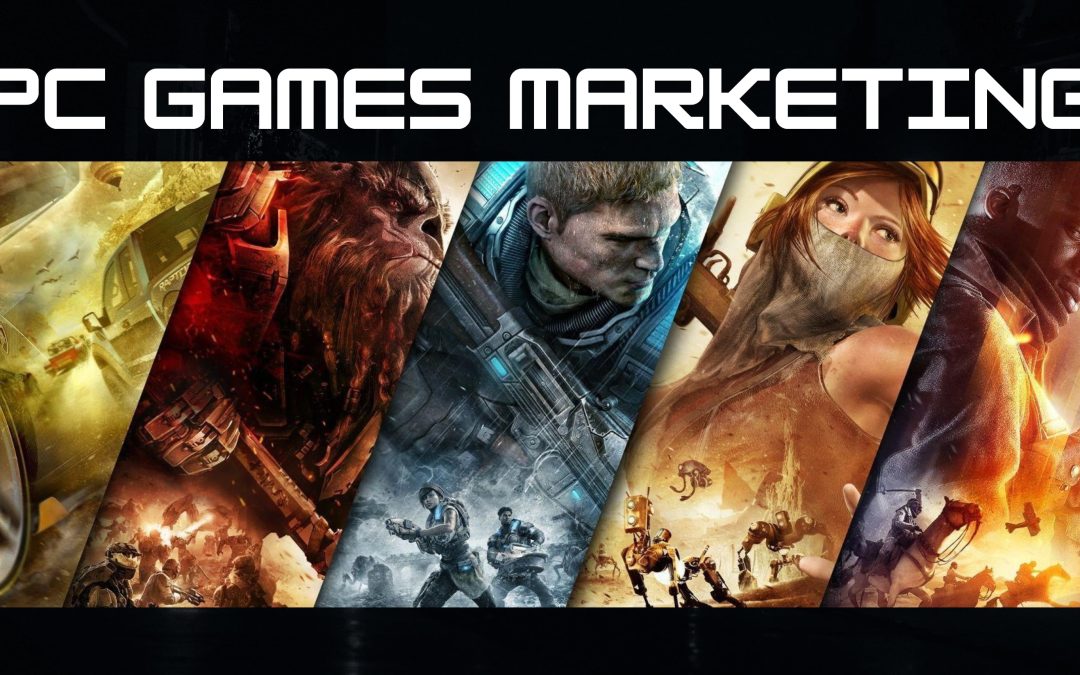
The gaming industry has evolved remarkably, with PC games at the forefront of technological advancements and player engagement. Marketing campaigns have become essential in this landscape, driving awareness, engagement, and sales. It’s critical to comprehend the principles of PC game marketing, regardless of whether you’re a seasoned marketer or a game developer trying to promote your creation. This article explores the tactics, distribution methods, and essential components that make PC game marketing campaigns successful.
Understanding the PC Gaming Market
Overview of the PC Gaming Audience
The PC gaming audience is diverse and dynamic, ranging from casual gamers who occasionally play to hardcore enthusiasts who dedicate hours to their favourite titles. Understanding this audience is the foundation of any successful marketing campaign. PC gamers are often segmented by age, gender, geographic location, and gaming preferences. For instance, younger audiences might prefer fast-paced action games, while older gamers may lean towards strategy or simulation games.
Demographics and Preferences
Knowing the demographics and preferences of our Identifying your target audience enables you to adapt your marketing messages to suit your customer’s needs and preferences better.”. Effectively. Research indicates that many PC gamers are males aged 18–34. Still, many female gamers and older players actively engage with PC games. Preferences vary greatly, from independent games with distinctive plots to multiplayer online battle arenas (MOBAs). By determining these preferences, marketers can develop niche-specific advertisements that appeal to particular audiences.
Trends in PC Gaming
The PC gaming market continuously changes with emerging trends like cloud gaming, virtual reality (VR), and esports. Marketers who wish to position their games at the forefront must keep ahead of these trends. For instance, VR components in a game could draw in tech-savvy players, but a focus on competitive gaming might draw in the esports crowd.
For example, incorporating VR elements in a game might attract tech-savvy gamers while emphasizing competitive gameplay can appeal to the esports community. Understanding these trends enables marketers to craft messages that align with the current interests of the gaming audience.
Key Elements of a Successful Marketing Campaign
Identifying Target Audience
A thorough understanding of the target market is the first step in any effective marketing effort. This entails being aware of the demographics and examining the behaviours, motives, and problems that they face. Behavioural analysis can reveal the motivations behind players’ purchases or interactions with a certain game. For instance, social connection may inspire some players, yet grasping intricate game mechanics may entice others.
Crafting a Unique Selling Proposition (USP)
A game’s unique selling proposition (USP) sets it apart in a demanded market. The USP should highlight the game’s distinctive features, benefits, or experiences. The USP is the main component of the marketing message, and it could be anything from a unique gaming mechanism to an engaging plot or eye-catching visuals. A clearly stated USP draws interest and persuades prospective players to invest time and money in your game.
Marketing Channels for PC Games
Social Media Platforms
Social media is an effective way to connect with and involve the gaming community. Marketers may reach a worldwide audience by sharing updates, teasers, and behind-the-scenes content on social media platforms like Facebook, Instagram, and Twitter. Each platform has strengths; Twitter is great for real-time updates and community interaction, while Instagram is ideal for visually showcasing game art and videos.
Utilizing Twitter, Facebook, and Instagram
Effective social media use involves more than just posting content; it requires engaging with the audience through comments, likes, and shares. On Twitter, for example, marketers can participate in gaming-related conversations using relevant hashtags, while on Facebook, they can create dedicated pages or groups for their games. Instagram’s Stories and Reels offer opportunities to create short, engaging content that can go viral, increasing the game’s visibility.
Content Marketing
The foundation of content marketing is creating interesting and pertinent material that draws in and keeps a target audience. This could include developer diaries, blog entries, and video tutorials for PC games that offer gamers a closer look at the game’s features and progress. By creating a sense of community around the game, content marketing encourages a sense of belonging among players.
Blogging, Videos, and Influencer Partnerships
Blogging allows game developers to share their journey, from initial concept to final release, creating a narrative that players can follow. Videos, particularly on platforms like YouTube, offer a visual and engaging way to showcase gameplay, tips, and reviews. Partnering with influencers, especially those who have a strong presence in the gaming community, can amplify the reach of these content marketing efforts. Influencers can provide authentic endorsements that resonate with followers, driving interest and sales.
Email Marketing
Email marketing is a direct and intimate method of reaching potential gamers. Marketers can educate players about game updates, special deals, and upcoming releases by creating and maintaining a subscriber list and sending targeted emails. Personalized emails—for example, using the recipient’s name or mentioning their preferred game—generally have higher open and conversion rates.
The Role of Influencers in PC Game Marketing
Collaborating with Streamers and YouTubers
Influencers have become integral to PC game marketing, particularly streamers on platforms like Twitch and YouTubers. These content creators have built loyal followings who trust their opinions on games. Collaborating with influencers can involve sponsored streams, gameplay reviews, or even co-creating content that features the game. Influencers’ authenticity and relatability make them effective at driving interest and engagement.
Choosing the Right Influencers
The success of an influencer campaign depends on choosing the proper influencers, as not all influencers are equal. The influencer’s audience demographics, engagement levels, and compatibility with the game’s genre are all important considerations. For instance, highlighting a strategy game by an influencer with a reputation for producing thought-provoking material could be beneficial. Simultaneously, an enthusiastic streamer might endorse a quick shot.
Measuring the Impact of Influencer Campaigns
Metrics like reach, engagement, and conversions are crucial to monitoring and evaluating influencer marketing campaigns’ success. Measurement tools such as social media analytics and tracking links can offer valuable information about the campaign’s effectiveness. Additionally, gathering feedback from influencers and their audiences can help refine future campaigns for better results.
Pre-Launch Marketing Strategies
Teasers and Trailers
Building anticipation before a game’s launch is critical for generating initial interest and securing pre-orders. Teasers and trailers are often the first touchpoints for potential players, offering a glimpse of what the game has to offer. These should be carefully crafted to highlight the game’s key features and create a sense of excitement.
Beta Testing and Early Access
Offering beta testing or early access to a select group of players can generate buzz and provide valuable feedback. These early adopters can become advocates for the game, sharing their experiences on social media and forums, which can attract more players. Early access also allows developers to iron out any issues before the full launch, ensuring a smoother experience for all players.
Countdown Campaigns
A countdown to the launch date can build momentum and keep the game at the top of potential players’ minds. This can be done through social media posts, emails, and website banners highlighting the days left until release. Including incentives, such as exclusive in-game items for pre-order, can further boost excitement and drive sales.
Post-Launch Marketing Strategies
Ongoing Engagement
Marketing doesn’t stop after the game is launched. Maintaining ongoing engagement with the player base is essential for long-term success. This can include regular updates, new content releases, and community events that keep players returning. Engaging with the community through social media and forums also helps build loyalty and encourages word-of-mouth promotion.
Collecting and Analyzing Player Feedback
Player feedback is invaluable for understanding what works and what doesn’t in the game. Collecting this feedback through surveys, forums, and social media can provide insights into areas for improvement. Analyzing this feedback and implementing changes based on it can enhance the player experience and lead to positive reviews and increased sales.
Expansions and DLCs
Post-launch content, such as expansions and downloadable content (DLCs), can extend a game’s lifespan and provide additional revenue streams. Marking these new additions requires a fresh campaign highlighting the latest features and encouraging players to return to the game. Timely releases of expansions and DLCs can also reignite interest in the game and attract new players.
Conclusion
Marketing PC games is a complex and multifaceted process that requires a deep understanding of the gaming audience, effective use of marketing channels, and ongoing engagement with players. Game developers and marketers can maximize their chances of success by crafting targeted campaigns that resonate with the intended audience and leveraging the power of influencers, content marketing, and pre-launch strategies. Whether you’re launching a new title or looking to boost an existing game, this article outlines the principles.
FAQs
What is the most effective marketing channel for PC games?
The most effective marketing channel can vary depending on the game and target audience. Social media platforms, influencer partnerships, and content marketing are often highly effective.
How can I measure the success of my PC game marketing campaign?
Success can be measured using reach, engagement, conversion rates, and sales metrics. Tools like social media insights and Google Analytics can provide detailed data.
by Shashikanth Heerekar | Aug 26, 2024 | All Things about Marketing
Explore how artificial intelligence is transforming marketing and driving strategic business growth. Unlock your potential today.
Introduction
In the fast-paced marketing world, staying ahead of the curve is essential for business success. As digital landscapes evolve, traditional marketing methods are increasingly supplemented and, in some cases, replaced by advanced technologies. Among these, artificial intelligence (AI) is a transformative force. AI has introduced new possibilities for understanding, engaging, and influencing consumers, making it a cornerstone of modern marketing strategies.
This article will explore AI’s role in marketing, its benefits, how businesses can effectively use AI in their strategies, the challenges they might face, and the future trends in AI marketing. We’ll also cover key topics like “AI for marketing,” “AI digital marketing,” “artificial intelligence trading,” and “artificial intelligence advertising.”
Understanding Artificial Intelligence in Marketing
In its simplest form, artificial intelligence refers to the simulation of human intelligence by machines, particularly computer systems. These systems can perform tasks requiring human intelligence, such as learning, problem-solving, decision-making, and language understanding. When applied to marketing, AI helps automate and optimize various tasks, from customer data analysis to content creation and campaign management.
AI in Digital Marketing
Digital marketing is one of the most prominent fields in which AI has significantly impacted. AI in digital marketing enables businesses to process vast amounts of data, gain insights into consumer behaviour, and personalize marketing efforts at scale. For those looking to better understand these processes, enrolling in data analysis courses can be a valuable step. By using AI algorithms, marketers can identify patterns and trends that would be impossible to detect manually, allowing for more targeted and effective campaigns.
AI for Marketing: The Evolution
Integrating AI into marketing strategies is a trend and the next evolution of marketing. From AI-driven content recommendations to predictive analytics, AI transforms how marketers approach their work. By leveraging AI, businesses can deliver more personalized and timely content, leading to higher engagement rates and better customer satisfaction.
AI for Stock Trading and Marketing
AI’s influence extends beyond traditional marketing practices into areas like stock trading. AI trader for stock trading involves using machine learning algorithms to analyze market data and predict stock movements. Similarly, in marketing, AI can predict consumer behaviour, optimize ad placements, and even automate the buying and selling of digital ad spaces. This crossover between trading AI and marketing AI demonstrates the versatility and power of artificial intelligence.
AI’s advantages in marketing
AI has many benefits in the marketing industry that can be leveraged to improve campaign success. A few of the main benefits are mentioned below:
Improved Customization
AI allows the development of highly customized marketing content. Based on customer data analysis and AI analysis of customer data, AI can cast which items, services, or content will have the most customization, which can greatly increase conversion.
AI is faster than humans in processing and analyzing large amounts of data. This capability gives marketers deeper insights into customer behaviour personalization trends, allowing for more informed depersonalized
Automation of routine analysis, social media posting, email marketing, and other time-consuming marketing chores can all be automated; personalization marketers concentrate on more strategic endeavours, and automation increases efficiency.
Enhanced Customer Experience
AI-powered chatbots and virtual assistants transform customer analysis by providing instant, accurate, and personalized responses to customer inquiries. This capability enhances the customer experience and can lead to higher customer satisfaction and loyalty.
Predictive Analytics
AI’s capacity to forecast patterns based on past data is extremely useful for marketing. Marketers may enhance ROI by anticipating customer demands, optimizing campaigns, and making data-driven decisions using predictive analytics.
Cost Efficiency
AI can save companies marketing expenses by increasing campaign precision and automating repetitive tasks. People who are personalized and powered by AI are typically more effective, yielding greater outcomes with lower costs.
Real-Time Decision Making
AI enables marketers to make real-time decisions based on current data. This capability is particularly useful in dynamic markets where consumer behaviour and preferences change rapidly.
Implementing AI in Your Marketing Strategy
While the benefits of AI in marketing are clear, effectively implementing AI into your marketing strategy requires careful planning and execution. Below are steps to consider when incorporating AI into your marketing optimize
Define Your Objectives
Before implementing AI, defining what you hope to achieve is crucial. Whether improving customer engagement, increasing sales, or optimizing ad spend, having clear objectives will guide your AI implementation process.
Choose the Right AI Tools
There are several AI technologies out there, and they all have various functions. Select tools that work with your current systems and align with your marketing objectives. For example, AI chatbots could be the ideal choice if you aim to enhance customer service.
Invest in Quality Data
AI is only as good as the data it processes. Ensure that your data is accurate, relevant, and up-to-date. This might involve investing in data management systems and ensuring compliance with data privacy regulations.
Start Small and Scale
AI implementation doesn’t have to happen all at once. Start with small projects to test how well optimization works, and gradually expand as you get more familiar with the technology.
Train Your Team
AI is a technology that needs to be managed and overseen by humans. Ensure your marketing team members know the advantages and disadvantages of artificial intelligence (AI) in marketing and use AI tools efficiently. For your training materials, consider using Gamma alternatives to create dynamic presentations that simplify concepts and maintain team interest.
Monitor and Optimize
The use of AI is not a one-time fix. Keep an eye on the effectiveness of your AI-powered campaigns and make adjustments based on the knowledge you gain. Doing this will maximize the return on your investment in AI.
Challenges of Using AI in Marketing
While AI offers numerous benefits, its implementation in marketing also comes with challenges that businesses must navigate:
Data Privacy Issues
Large-scale consumer data collecting and analysis are common components of using AI in marketing. This presents serious privacy issues, particularly in light of the implementation of more stringent data protection laws like the GDPR. Businesses using AI’s capabilities must abide by these restrictions.
High Initial Investment
We are implementing AI cOptimizepensive, particularly for small and medium-sized businesses. The cost of AI tools, data management systems, and optimization increased, making it a significant investment.
Complexity of AI Systems
Implementing and managing AI systems can be challenging, necessitating certain training and experience. This intricacy may be challenging for companies without internal technical talent.
Bias Risk
The objectivity of AI algorithms is contingent upon the calibre of the training data. AI systems can produce unfair or inaccurate outcomes with biased outputs due to biased training data.
The efficacy of AI is significantly reliant on the calibre of the data it analyzes. Only complete or accurate data might result in good decisions and less-than-ideal marketing campaigns.
Integration Challenges
Integrating AI into existing marketing systems and processes can be challenging. It often requires significant changes to workflows and adopting disruptive new technologies.
Fear of Job Dispecialized The automation of marketing tasks through AI has raised concerns about job displacement. While AI can handle many routine tasks, there is still a need for human creativity and strategic thinking in marketing.
AI Marketing’s Future Trends
AI in marketing has a bright future ahead of it, with several trends expected to influence the sector in the upcoming years:
Growing Utilization of AI for Customization
As AI technology develops, even more customization in marketing should be possible. AI will enable marketers to craft personalized experiences and content for each consumer, resulting in more successful and captivating advertising.
Growth of Voice Search Powered by AI
Artificial intelligence is an important factor in the growing popularity of voice search. Voice assistants with AI capabilities, such as Google Assistant, Alexa, and Siri, are revolutionizing online content discovery and customer interaction. To remain competitive, marketers will need to make their content voice search-friendly.
Expansion of AI in Programmatic Advertising
AI’s ability to automate the purchase and sale of ad space is changing programmatic advertising. Programmatic ad networks that are more intelligent and effective should provide advertisers with greater outcomes as AI technology advances.
AI-Driven Content Creation
AI is already utilized to produce content, such as news articles and product descriptions. We anticipate AI playing a far bigger part in content creation in the future, assisting marketers in creating high-quality content at scale.
AI and Augmented Reality (AR)
The combination UtilizationR is set to create new opportunities for marketers. AI can enhance customer experiences by making them more personalized and interactive, creating a more engaging and immersive experience for consumers.
AI in Analytics Predictive
Artificial intelligence (AI) in marketing can be quite successful when applied to predictive analytics. Because AI-driven predictive analytics is becoming more sophisticated, marketers can more precisely predict client requirements and trends in the future.
Ethical AI in Marketing
The increasing use of AI in marketing will lead to a greater emphasis on ethical AI practices. Marketers must ensure that their AI application is equitable, transparent, and considerate of customer privacy.
Conclusion
The marketing industry is changing due to artificial intelligence (AI), which gives companies new methods to engage with customers, improve campaigns, and spur expansion. AI is revolutionizing marketing, from automating repetitive operations and facilitating real-time decision-making to boosting customer insights and personalization. But putting AI into practice also comes.