by Shashikanth Heerekar | Apr 4, 2026 | Insights
Written by Shashi Heerekar, Director – OXYGEN Company, SEO Expert with 18+ Years of Experience.
If you want to increase website traffic organically, the answer is simple: focus on the right keywords, create genuinely helpful content, and fix the technical issues that stop Google from trusting your site.
That’s it in theory. In reality… most websites miss at least one of these, and that’s where things start falling apart.
People Also Ask (Quick Answers)
Q1. Why is my website not getting traffic?
Your website may not get traffic due to poor SEO, wrong keywords, or indexing issues.
Q2. How can I increase website traffic organically?
Focus on SEO, create helpful content, build backlinks, and fix technical issues.
Q3. What are the main SEO factors for traffic growth?
Keywords, content quality, backlinks, technical SEO, and consistency are key factors.
Quick Summary: How to Get Organic Traffic
If your traffic is low, it usually comes down to:
If you’re facing this issue in detail, you can also read more about why your website is not getting traffic from Google and how to fix it step by step.
- Not targeting the right keywords
- Content is not solving real problems.
- No backlinks or authority
- Technical issues
- Lack of consistency
Fix these, and you’ll start seeing organic traffic growth over time.
What “Organic Traffic” Really Means (In 2026)
Organic traffic is simply visitors coming from search engines like Google, without ads.
But here’s what’s changed recently…
With AI-driven results (like Google AI Overview), ranking is no longer about stuffing keywords. It’s about:
- Answering clearly
- Showing real experience
- Being actually useful
I’ve seen websites with fewer articles outperform bigger sites, just because their content was more relevant.
Most people don’t realize this, but over 85% of online expertise still begins with a search engine, and a major portion of website traffic, often around 55 – 65%, comes from organic search.
That’s why focusing on organic traffic growth is not optional anymore; it’s where your audience already is.
1. Start with the Right Keywords (This Changes Everything)
Most people skip this or rush it.
If you’re serious about how to increase website traffic organically, keyword research is where it starts.
But not just any keywords.
You need:
- Low-to-medium competition keywords
- Real search intent (what people are actually asking)
- Long-tail queries
Example:
Instead of targeting “SEO,” go for
“How to get organic traffic for small businesses.”
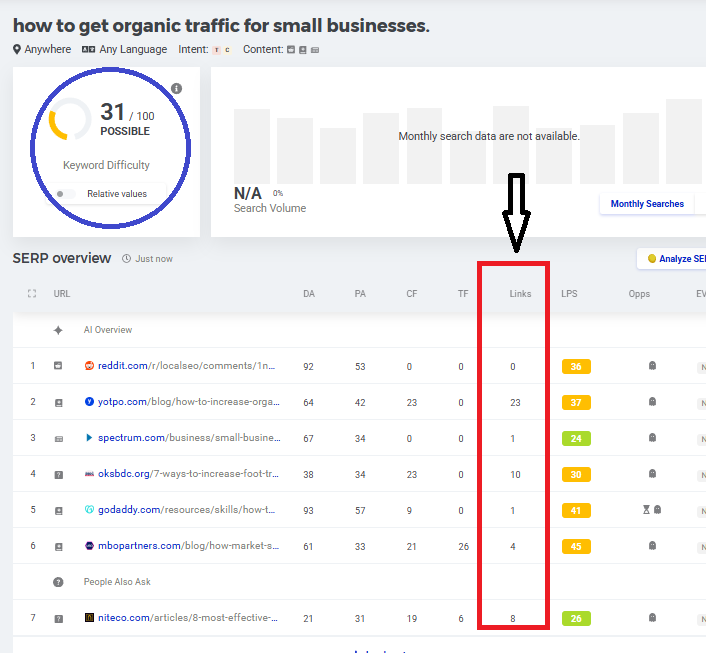
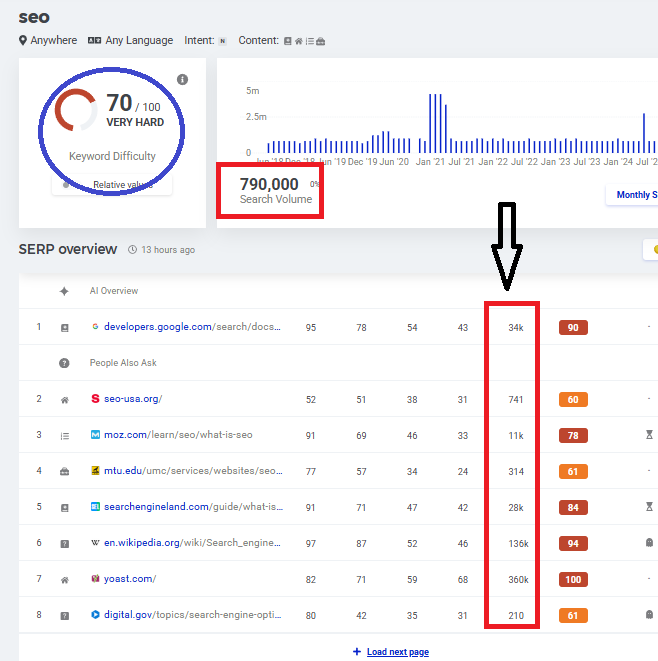
The above image shows fewer backlinks, and it is still possible to rank compared with SEO keywords with high backlinks and that are hard to rank.
That’s where real opportunities are. The keyword “SEO” has many searches and is also a very tough keyword to rank; if you need to rank on top, along with content, you also need to provide backlinks.
What kind of keywords should I target to increase website traffic?
You should target low-to-medium competition keywords with clear search intent, especially long-tail keywords that are easier to rank and bring relevant traffic.
Why is targeting the “SEO” keyword difficult?
The keyword “SEO” is highly competitive, with many backlinks and strong websites already ranking, making it very hard for new or small websites to rank.
What is a better alternative to competitive keywords?
Instead of broad terms like “SEO,” target specific queries like “how to get organic traffic for small businesses,” which are easier to rank and more focused.
2. Create Content That Actually Helps
Let me say this honestly: Google is getting very good at ignoring “fluffy” content.
If your content doesn’t solve a problem, it won’t rank.
What works now:
- Direct answers: Should be very good for ranking on LLM or AI chatbots, but yes, later you need to elaborate more in detail, also following E-E-A-T guidelines too.
When I write or optimize content, I always think:
Would I stay and read this, or leave in 5 seconds?
There’s a reason for this shift; studies show that more than 60% of users are far more likely to grab with content that directly answers their query, especially now with AI-driven results becoming more common.
- Simple explanations: The explanation should be very precise and also in a general tone, not robotic, which is actually not required. It should be very easy to understand and readable.
- Real examples: Now this is very interesting. See, now this is the digital era, where everything needs proof. People prefer to visit where there are open-kitchen restaurants.
Make sure the content is real and optimized for SEO.
Show the real stats and real results to rank on Google or any other platform.
3. Fix Technical Issues (Silent Traffic Killers)
This part is often ignored, but it matters a lot.
You might be doing everything right… But if your site has the following:
The website owner actually ignores the topic of slow speed. If I am searching for shoes online, I visit the XYZ online store, and if the store is not opening soon, as a buyer, I shift to another online store, ABC, that has opened in seconds and that has actually worked on technical SEO.
So, you are missing your lead. Here, speed matters.
Keep in mind your website should also be optimized for mobile devices; mostly 50-60% of people use mobile devices to search for their requirements.
Start working on that too for better results.
Yes, another important thing is that 2 months before, my client had a query about why his articles were not performing; he was personally handling SEO for his website. When I had properly analyzed his work, I later found that none of his blogs were indexed. I’ll also share with you the image below.
So, an SEO expert will try to figure out everything for their client’s website to get ranked on Google.
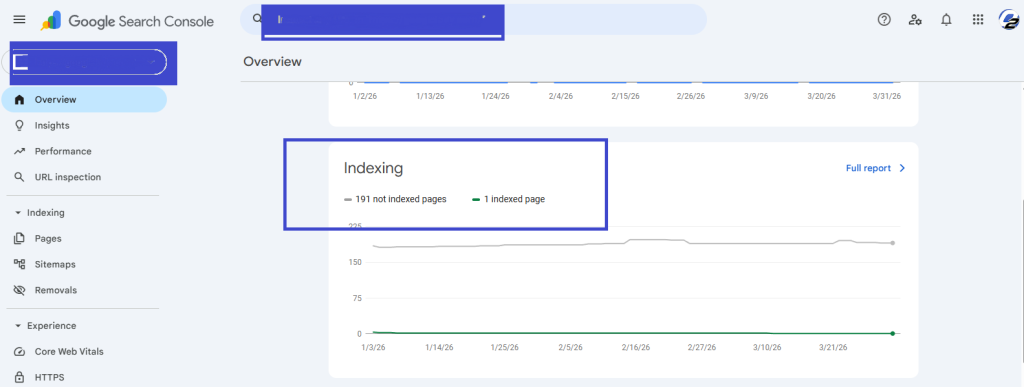
I’ve seen sites gain traffic just by fixing technical errors, with no new content added.
A common question you may have?
Why is my content not ranking on Google?
Your content may not rank if it is too generic or doesn’t solve a real problem. Google prefers content that gives clear answers, simple explanations, and real examples.
What type of content works best for SEO in 2026?
Content that provides direct answers, easy-to-understand explanations, and real-world examples works best. It should follow E-E-A-T and be helpful for both users and AI search.
Why is website speed important for SEO?
If your website loads slowly, users leave quickly, and Google lowers your rankings. Faster websites provide a better user experience and get more traffic.
4. Build Authority with Backlinks
If your website has no backlinks, Google doesn’t trust it fully.
This is one of the biggest reasons people struggle with increasing website traffic without ads.
Start simple:
- Guest posts
- Business listings
- Niche directories
See, I can explain to you with a simple example: if you are selling face night-brightening cream, and some celebrity has shared her night care regimen in which she has used your brand cream, then this is a direct, genuine promotion for your brand.
People will have a lot of trust in your website; in this way, if you have enough niche-related backlinks, guest posts, or listings in niche directories, it will be very easy for Google to place you on top because everyone trusts you.
Oxygen is ranking in 3rd position for the keyword “SEO services” in Google AI mode. Honestly, to get ranked in this place, I had worked a lot. I am very happy to share my results too; give it a look.
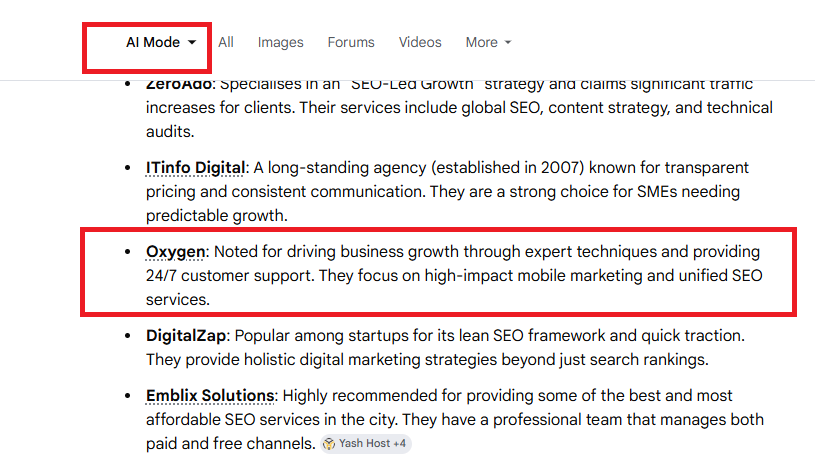
In fact, websites with strong backlink profiles tend to rank significantly higher, because Google treats links as a signal of trust and credibility.
You don’t need hundreds. Just a few relevant niche links related to your niche can make a big difference.
Answers to your doubt
Why are backlinks important for SEO?
Backlinks are nothing but a trust signal for Google. When other niche-relevant websites link to your site, it shows credibility, which helps improve rankings and increase organic traffic.
Do I need many backlinks to rank on Google?
No, you don’t need hundreds of backlinks. A few high-quality and relevant backlinks are often enough to improve your rankings.
Real Example (From My Experience)
I worked with a website that had almost no organic traffic.
We didn’t do anything complicated:
- Fixed keyword targeting
- Improved content clarity
- Cleaned up technical issues
Within a few months, traffic started growing steadily.
No ads. Just proper SEO.
See the result. Skyrocketing results.
If you want to see detailed results like this, you can check our complete SEO success story, where we’ve shared real growth insights.

In fact, websites with strong backlink profiles tend to rank significantly higher, because Google treats links as a signal of trust and credibility.
You don’t need hundreds. Just a few relevant niche links related to your niche can make a big difference.
Answers to your doubt
Why are backlinks important for SEO?
Backlinks are nothing but a trust signal for Google. When other niche-relevant websites link to your site, it shows credibility, which helps improve rankings and increase organic traffic.
Do I need many backlinks to rank on Google?
No, you don’t need hundreds of backlinks. A few high-quality and relevant backlinks are often enough to improve your rankings.
Real Example (From My Experience)
I worked with a website that had almost no organic traffic.
We didn’t do anything complicated:
- Fixed keyword targeting
- Improved content clarity
- Cleaned up technical issues
Within a few months, traffic started growing steadily.
No ads. Just proper SEO.
See the result. Skyrocketing results.
If you want to see detailed results like this, you can check our complete SEO success story, where we’ve shared real growth insights.
Consistency builds trust—with both users and Google.
6. Optimize for AI Search (New Reality)
In 2026, this matters more than ever.
To rank in AI-driven results:
If you want to go beyond just Google and improve visibility across platforms, you can also explore search everywhere optimization to reach users wherever they are searching.
- Answer questions clearly
- Keep content structured
- Add real insights (not generic info)
Google is prioritizing content that feels human and experience-based.
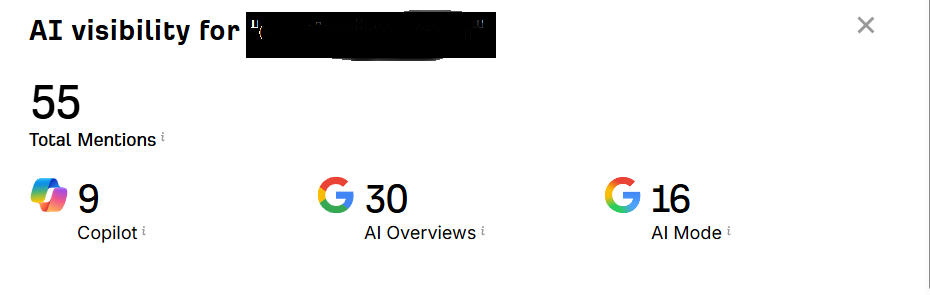
Before, only getting ranked on Google was enough; now, ranking on AI mode is a new, different thing.
How many pages are ranking on Google? AI mode or LLM is next and very important. I will share before and after images of my client ranking on AI search.
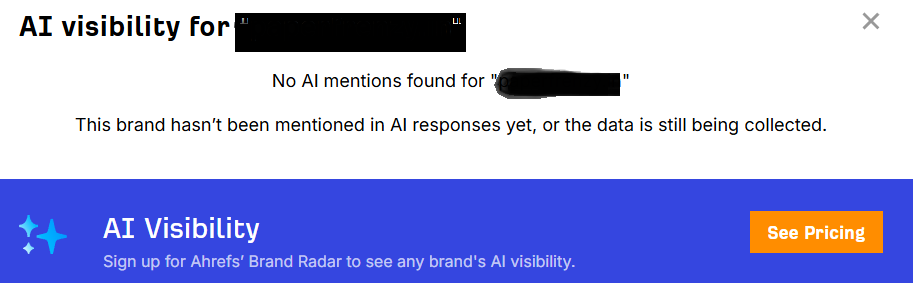
These before-and-after results are not very easy. Constant work and efforts of my team.
My Personal Take (After 18+ Years)
If there’s one thing I’ve learned, it’s this:
Most websites don’t fail because SEO is hard.
They fail because the basics are not done properly.
Once you fix:
- Keywords
- Content
- Technical issues
You start seeing results.
Maybe not instantly, but steadily.
Frequently Asked Questions
1. How to increase website traffic organically?
Focus on SEO, use the right keywords, create helpful content, and improve your website performance. Organic growth takes time but gives long-term results.
I’ll also suggest to the website owner to discuss your keywords with your SEO expert before proceeding further.
2. How to get organic traffic to a website?
Create content based on user intent, optimize it for search engines, and build backlinks. Consistency is key.
3. Can I increase website traffic without ads?
Yes. SEO helps you increase website traffic without ads by bringing visitors from search engines naturally.
4. How long does organic traffic take to grow?
Usually 3 to 6 months, depending on competition and your website’s current state.
5. What are the best SEO strategies for traffic?
Keyword research, content optimization, technical SEO, and link building are the most effective strategies.
Quick SEO Answers
- Organic and relevant traffic comes from search engines without ads
- SEO takes 3–6 months
- Backlinks increase authority
- Content must match user intent
- Technical SEO impacts rankings
Conclusion
If you’re trying to figure out how to get organic traffic, don’t overcomplicate it.
Focus on the basics. Do them well. Stay consistent.
That’s what works, even today.
Call-to-Action
Ready to grow your website traffic without relying on ads?
With over 18 years of experience, I’ve helped businesses achieve steady organic traffic growth using practical, result-driven SEO strategies.
If you’re looking for a long-term approach, now is the right time to start.
by Shashikanth Heerekar | Apr 3, 2026 | Insights
Written by Shashi Heerekar, Director – OXYGEN Company | SEO Expert with 18+ Years Experience
If your website isn’t getting traffic, it usually means Google either can’t understand your site or doesn’t find it useful enough to show. In simple terms, your site exists, but it’s not visible where your customers are searching.
I’ve seen this happen a lot. A website looks good, and everything seems “fine”… but traffic? Almost zero. Let’s break down the real reasons, and more importantly, how to fix them.
Quick Summary: Why Your Website Is Not Getting Traffic
If you’re still wondering why your website has no traffic, it usually comes down to a few common issues:
- Not indexed: Google hasn’t discovered or added your pages yet.
- Wrong keywords: You’re targeting terms people don’t search for
- Poor content: Content is not useful or doesn’t answer real questions
- No backlinks: Your website lacks authority and trust
- Technical issues: Slow speed, mobile problems, or errors affecting performance
Fixing these basics is the first step in improving visibility and understanding how to increase website traffic in a sustainable way.
1. Your Website Is Not Properly Indexed
One of the most common reasons for low website traffic is that Google hasn’t even indexed your pages.
Up to 80% of the website’s major concern is the indexing of the blogs or pages.
I’ve had clients come to me asking, “Why is my website not ranking on Google?” … and the issue was simple: Google didn’t know their pages existed.
Fix:
- Check Google Search Console → Pages → Indexing.
- Submit your sitemap.
- Fix “noindex” or crawl errors.
The above is my client’s website; all his blogs and pages are not indexed, as you can see.
So we need to fix these technical issues too. If the blogs are not getting indexed on Google, how can you expect a ranking on Google?
Every SEO analyst will first analyze the website deeply and later explain to them how much time it can take to improve their Google ranking.
2. You’re Targeting the Wrong Keywords
This is a big one.
Many websites target keywords that are either.
- Nobody searches.
- Or are they too competitive?
So even after publishing content, nothing happens.
Fix:
Focus on what people are actually searching.
Not what you think they’re searching for.
This is the foundation of how to get organic traffic to a website.
As an SEO expert, I’ll suggest to the website owner to provide the keywords that he is willing to rank on Google, and later, that particular expert will guide you on how much time it will take to rank on Google.
As an SEO expert, my main keyword is “SEO services,” and the local keyword is “SEO services in Hyderabad.” We are ranking on Google AI mode too; you can check below.
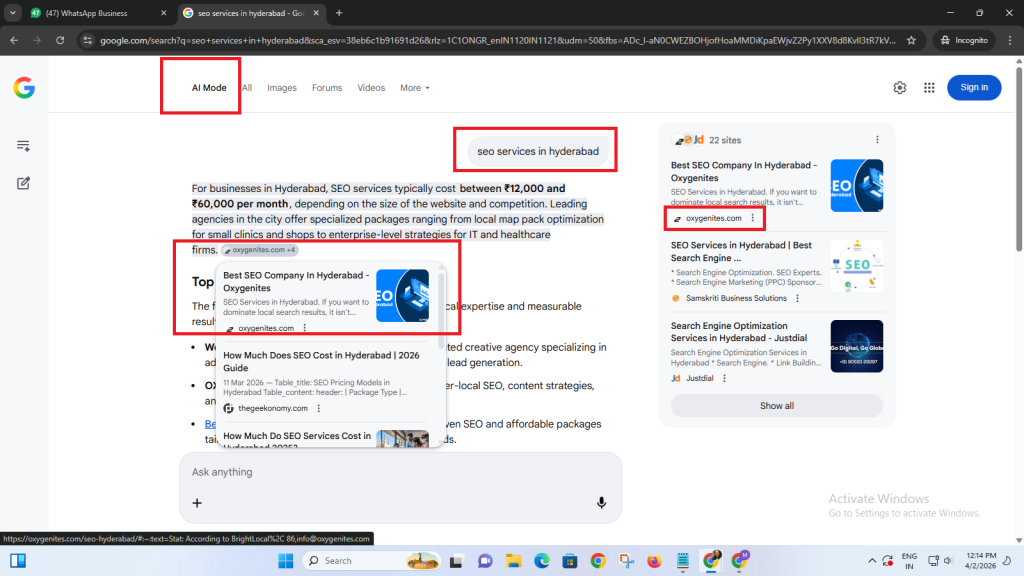
In the same way, the client also has the main keywords that he is willing to rank on Google. Make sure the website owner properly discusses this with your SEO expert before proceeding further.
This brings trust.
3. Your Content Isn’t Solving Real Problems
Let me be honest, Google has changed a lot.
With AI Overviews now, Google prefers content that directly answers questions. If your content is vague or generic, it won’t rank.
Fix:
- Write clear, direct answers.
- Add real examples
- Focus on user intent.
https://developers.google.com/search/docs/appearance/ranking-systems-guide
The link that I have shared with you is a complete guide on how to rank on Google and what the guidelines are following Google updates.
https://developers.google.com/search/docs/appearance/ai-features
The above link shows how to rank on Google AI mode, too.
Google does not need a simple, short, or direct answer, but it needs content that is useful and relevant.
4. Technical Issues Are Holding You Back
Sometimes the problem is not content; it’s your website itself.
- Slow loading speed.
- Mobile issues.
- Broken pages.
These silently kill your rankings.
Fix:
- Improve page speed.
- Make your site mobile-friendly.
- Fix crawl errors.
5. No Backlinks (Low Authority)
If no one is linking to your website, Google doesn’t trust it much.
I’ve seen sites with great content still not ranking, just because they had zero authority.
Fix:
- Build quality backlinks.
- Get listed in directories.
- Publish guest posts.
Having the best content with strong backlinks is like enjoying all your favorite foods without gaining weight.
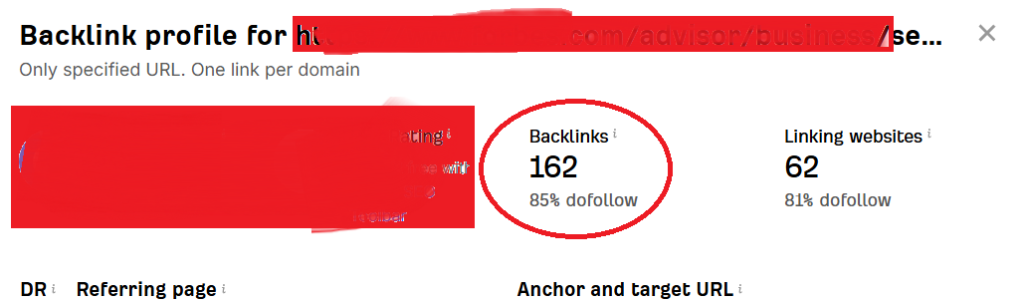
You can see in the above image that they have, along with content, also worked on backlinks to get a rank on Google, so this may probably work with you, too.
6. Poor Website Structure
If your website is confusing, Google gets confused, too.
No clear headings, no internal linking… everything feels scattered.
Fix:
- Use proper H1, H2, and H3 structures.
- Add internal links.
- Organize content clearly.
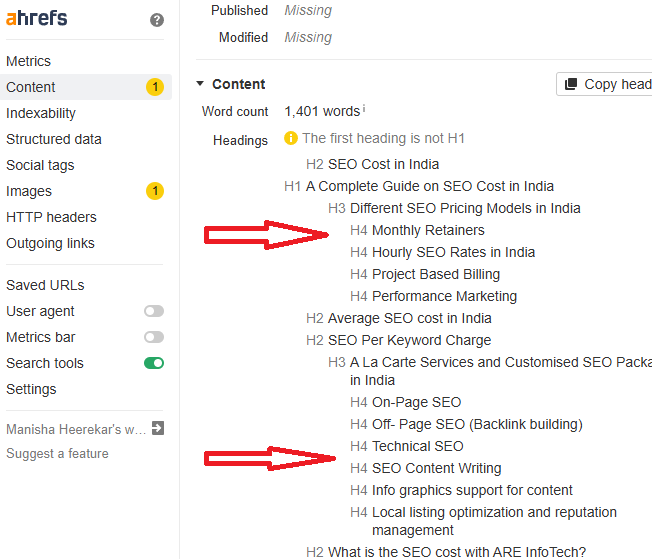
7. You’re Not Consistent
SEO is not a one-time task.
I’ve seen businesses publish 2–3 blogs… then stop. Then they wonder why the website has no traffic.
Fix:
- Publish regularly.
- Keep updating old content.
- Build topical authority over time.
8. Ignoring User Experience
Google now tracks how users behave.
If visitors leave quickly, your rankings drop.
Fix:
- Improve readability
- Add a clear structure.
- Make content easy to scan.
9. No Local SEO Optimization
This is especially true for small businesses.
If you’re not optimizing for location, you’re missing local traffic.
Fix:
- Optimize Google Business Profile.
- Use local keywords.
- Add location pages.
10. Not Adapting to New SEO Trends
SEO today is very different from a few years ago.
With AI-driven search, Google prefers the following:
- Experience-based content.
- Direct answers.
- Trust signals.
If your content feels outdated, it won’t rank.
Fix:
- Write based on real experience.
- Keep content updated.
- Focus on helpful, human-first content.
Real Example (What I’ve Seen Work)
One website I worked on had almost no traffic. The owner kept asking, “Why does the website have no traffic even after posting blogs?”
We fixed:
- Keyword targeting.
- Technical issues.
- Content clarity.
Within a few months, traffic started growing steadily.
Nothing magical, just doing the basics right.
How to Increase Website Traffic (Simple Strategy)
If you’re wondering how to increase website traffic, here’s what actually works:
- Focus on the right keywords.
- Create useful content.
- Fix technical issues.
- Build backlinks.
- Stay consistent.
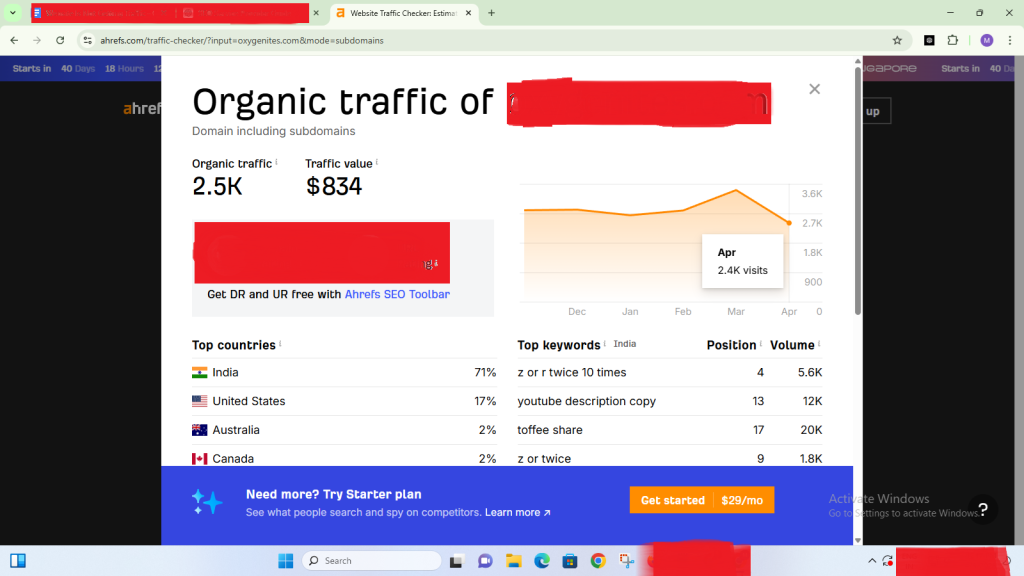
My above client was having zero traffic; by using Oxygen services within 1-2 months of the services, his traffic has organically improved.
I am not saying that the above result, which I have shared, is perfect, but we can improve even more; we have tried to maintain this ranking even after many Google updates, too.
That’s it. No shortcuts.
My Honest Take (From Experience)
After working in SEO for years, I’ve realized something simple—
Most websites don’t fail because of one big mistake.
They fail because of many small things not done properly.
And the good part?
Once you fix those, results start coming.
Final Thoughts
If your website is not getting traffic, don’t panic. It’s usually fixable.
Understand the real reasons for low website traffic, work on the basics, and stay consistent.
SEO takes time, but when it works, it builds long-term growth that ads simply can’t match.
Frequently Asked Questions (FAQs)
1. Why is my website not getting traffic?
Your website may not be getting traffic because it is not properly indexed, targeting the wrong keywords, or lacking quality content. In many cases, it’s a combination of technical issues and poor SEO strategy.
2. Why is my website not ranking on Google?
If your website is not ranking on Google, it could be due to low-quality content, no backlinks, technical errors, or high competition. Google only ranks pages that are helpful and trustworthy.
3. How to increase website traffic quickly?
To increase website traffic, focus on improving content quality, targeting the right keywords, fixing technical issues, and promoting your pages. While quick improvements are possible, consistent SEO brings long-term results.
4. How to get organic traffic to a website?
To get organic traffic to your website, generate useful content based on user intent, optimize it for SEO, and build backlinks. Organic traffic grows gradually but provides long-term benefits.
5. What are the main reasons for low website traffic?
The main reasons for low website traffic include poor keyword targeting, lack of SEO optimization, slow website speed, no backlinks, and inconsistent content updates.
6. How long does it take to see SEO results?
It generally grab upto 3 to 6 months to show noticeable results, depending on your competition, industry, and the current condition of your website.
7. Can a new website get traffic without ads?
Yes, a new website can get traffic without ads by focusing on SEO, creating valuable content, and targeting low-competition keywords.
8. Is SEO still effective in 2026?
Yes, SEO is still highly effective in 2026. With AI-driven search, Google now prioritizes helpful, experience-based, and user-focused content more than ever.
by Shashikanth Heerekar | Apr 2, 2026 | Insights
If you’re wondering whether SEO still works in 2026, yes, it does. And not just a little. When done right, it can take a website from zero visibility to thousands of visitors in a matter of weeks.
I’m not saying this based on theory. I’ve seen it happen… recently.
Let me walk you through a real SEO case study where we took a client from almost no presence online to measurable growth in traffic, authority, and rankings, all within a short span.
The Starting Point (And Honestly… It Was Tough.)
When this client first approached us at Oxygen, their situation was something I see quite often:
- Website traffic: 0 (yes, literally zero)
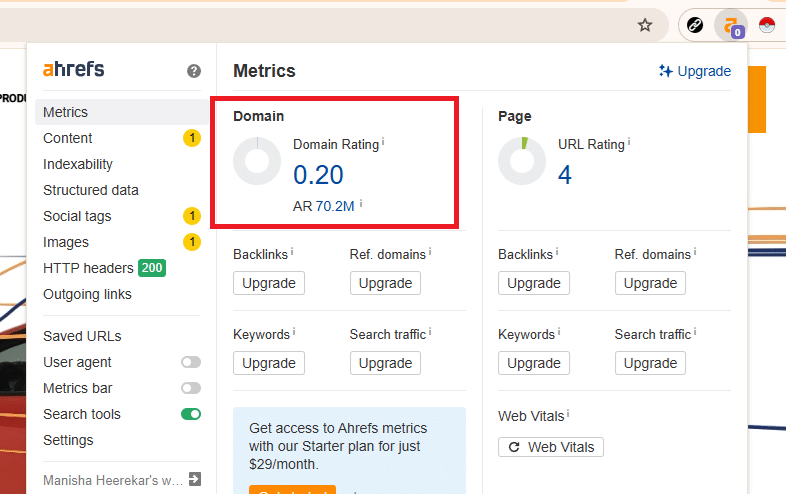
- Domain Rating (DR): 0.24
- No keyword rankings
- No content strategy
- No SEO foundation at all
At that stage, many businesses feel SEO “doesn’t work.” But the reality is, SEO was never properly implemented in the first place.
This is exactly where a real SEO results before-and-after journey begins.
What We Actually Did (No Fancy Talk, Just What Works)
I’ll keep this simple because SEO doesn’t need to be complicated.
1. Fixed the Foundation First
Before chasing traffic, we worked on:
- Technical SEO cleanup
- Proper site structure
- Indexing issues

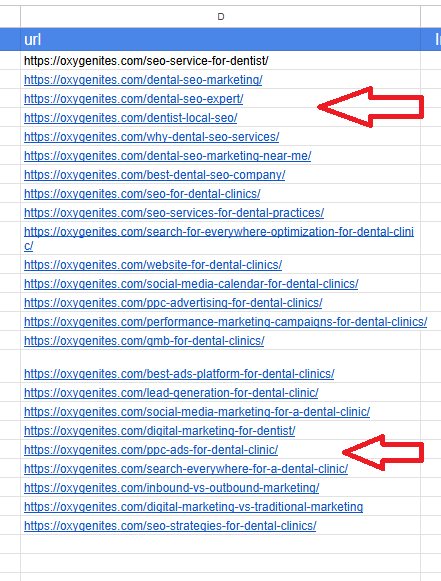
The above structure, which I have shown, is not perfectly right according to me; I need to make more such changes, but for a new website, it’s ok. It’s just to give an idea.
Below, I also shared the image of a news agency where they have properly provided the structure too; this image below will give you a better idea, but for basics, the above image is fine too.
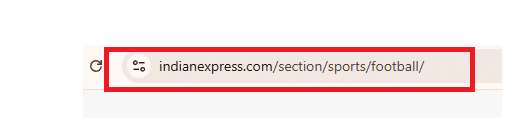
Honestly, most people skip this part… and that’s where things go wrong.
2. Keyword Strategy That Matches Real Search Behavior
Instead of going after high-competition keywords, we focused on:
- Intent-based keywords
- Low to medium competition terms
- Queries people are actually typing (especially conversational ones, very important in 2026 with AI search)
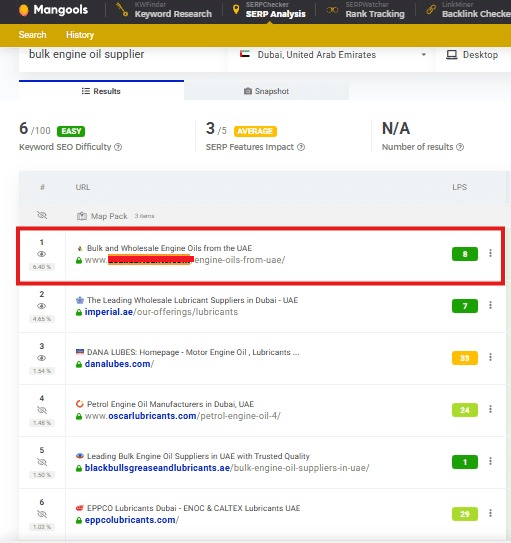
Try to find which city the client is willing to rank; make sure you do proper keyword research and try to rank your client in that city only.
In some cases, the client will give you keywords he wants you to rank on, as happened in our case too, YEPPPP… We did!!!
He was specific that he wanted to rank in Dubai, so we checked the proof.
3. Content That Actually Helps (Not Just Ranks)
This part matters more now than ever.
With Google’s AI Overview and tools like ChatGPT influencing search behavior, content needs to:
- Answer clearly
- Feel human
- Provide real value
So, every article we wrote was designed to solve a problem, not just fill space.
The article that you are writing should be like talking with someone, because in natural speech, there will be breaks while talking; we can’t talk continuously. While writing an article, there should be breaks.
This is the difference between human-tone and AI-tone article writing.
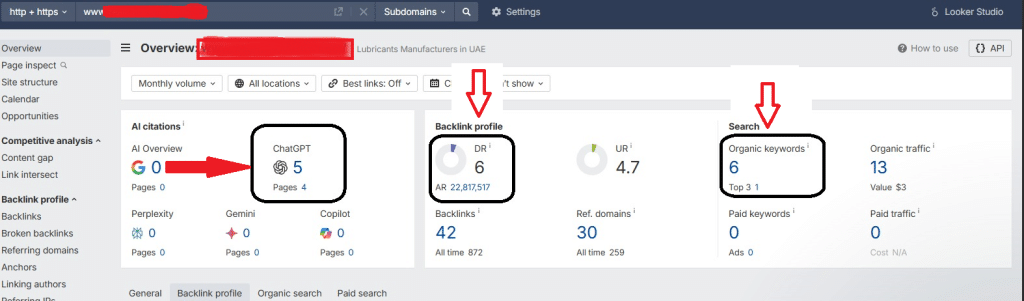
To prove my above points, I have shared the result with you below. Making the client rank on AI chatbots and LLMs too, as we wrote 10 articles for him, out of which 5 articles are ranking.
Have a look.
4. Strategic Link Building (Slow but Strong)
We didn’t rush backlinks.
Instead:
- Focused on quality over quantity
- Built relevance gradually
- Strengthened domain authority naturally
📈 The Results (This Is Where It Gets Interesting)
Now, coming to the part everyone cares about: results.
📊 SEO Results Before and After:
- Traffic: 0 → 8.55K monthly visitors
- Domain Rating: 0.24 → 6 (within 1 month)
- Keyword Rankings: Multiple keywords ranking in the top 1–3 positions
And yes… This didn’t take years.
A Real SEO Traffic Growth Example
What stood out to me in this project wasn’t just the numbers; it was the speed of momentum.
Once Google started trusting the site:
- Pages got indexed faster.
- Rankings improved consistently
- Traffic didn’t spike randomly; it grew steadily.
That’s a strong signal of a healthy SEO strategy.
And this is what a true SEO traffic growth example looks like: not overnight spikes, but consistent upward movement.
What Most People Get Wrong About SEO
Let me be honest here.
A lot of businesses expect the following:
- Instant rankings
- Overnight traffic
- Quick leads
That’s not how SEO works.
What actually works is the following:
- Consistency
- Strategy
- Understanding search intent
And lately, with AI-driven search evolving, content quality matters even more than backlinks in many cases.
SEO Ranking Improvement Example (Real Scenario)
One of the articles we created for this client started ranking in the top 3 positions within a short time.
Why?
Not because we “optimized keywords perfectly”…
But because:
- It answered the exact user query.
- It was structured clearly.
- It matched what Google wanted to show.
Sometimes I feel people overcomplicate SEO. It’s really about aligning with user intent.
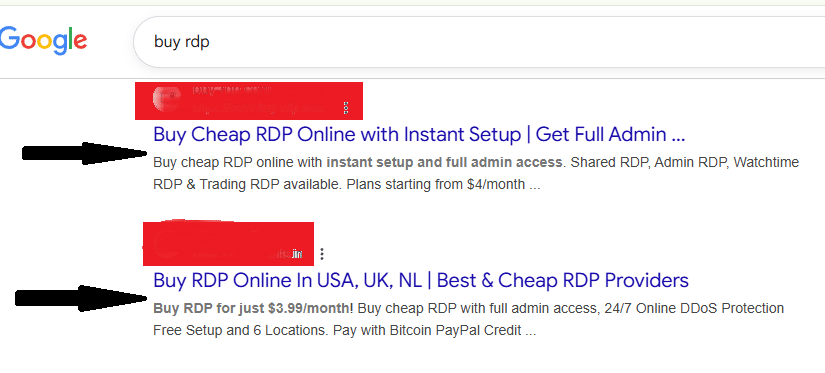
The following were the client’s requirements to rank this keyword, though it was tough; we took around 3 months to rank, but we did. Happy client = Happy us.
What This Case Study Really Proves
If I had to sum this up from my experience:
- SEO still works, but only when done correctly
- Starting from zero is not a disadvantage (in fact, it’s often easier to build clean)
- Google rewards clarity, usefulness, and consistency
And maybe the most important thing…
SEO is no longer about gaming the system; it’s about helping the user better than anyone else.
Final Thoughts (From My Experience)
After working in SEO for years, one thing has become very clear to me:
Every website has potential. Most just don’t execute properly.
This real SEO results case study is just one example of what happens when
- Strategy meets execution
- Content meets intent
- And patience meets consistency.
If You’re Struggling With Traffic…
If your website isn’t getting traffic right now, don’t panic.
I’ve seen websites go from
- Zero → Thousands of visitors
- No rankings → Page 1 dominance
And this case is proof. Which I have already shared above.
About the Author
Shashi Heerekar
SEO Expert with 18+ years of experience
Founder at Oxygen ITES
I’ve worked with brands across industries, helping them grow organically through practical, result-driven SEO strategies, not shortcuts.
FAQs
1. How long does SEO take to show results?
In most cases, noticeable improvements start within 1–3 months, but strong growth builds over time.
2. Can a new website rank on Google?
Yes. In fact, new websites can grow faster if SEO is implemented correctly from the start.
3. What matters more in 2026 — content or backlinks?
Content quality and intent matter more now, especially with AI-driven search. Backlinks still help, but they’re not everything.
by Shashikanth Heerekar | Apr 2, 2026 | Insights
Introduction
In today’s digital landscape, choosing the right web hosting provider is crucial for building a strong and reliable online presence.
Whether you are launching a business website, an eCommerce platform, or a personal blog, web hosting directly impacts your website’s speed, security, and overall performance.
A dependable hosting service ensures your website remains accessible, loads quickly, and delivers a seamless user experience. With many options available in the market, selecting the best hosting provider can make a significant difference in your website’s success and long-term growth.
Oxygen
With over 13 years of experience, Oxygen has established itself as a trusted name in web hosting, digital marketing, and web development services. The company offers a comprehensive range of solutions, including web hosting, SEO services, PPC, social media marketing, website design and development, content marketing, and branding solutions.
Their performance-driven approach and focus on quality make them a reliable partner for businesses of all sizes.
What sets Oxygenites apart is their commitment to delivering consistent and reliable results. They combine technical expertise with strategic planning to ensure websites perform efficiently with high speed, security, and uptime.
Along with hosting, their integrated digital marketing and development services help businesses strengthen their online presence and achieve long-term growth.
Their proven track record and client-focused approach make them a preferred choice for businesses looking for complete digital and hosting solutions.

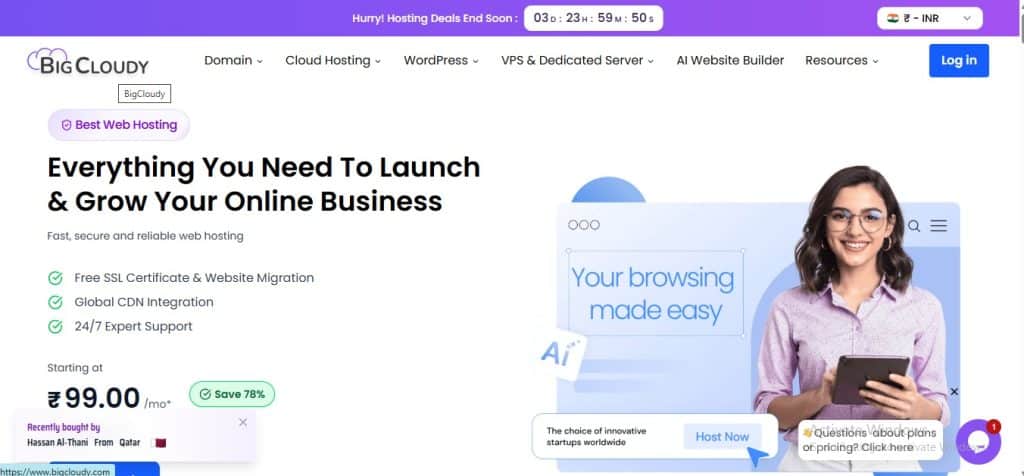
Big Cloudy
BigCloudy is a web hosting company that offers a wide range of reliable and scalable hosting solutions designed to support businesses, developers, and startups. The company provides cloud hosting services such as cPanel hosting, Laravel hosting, Node.js hosting, Magento hosting, Django hosting, WordPress hosting, WooCommerce hosting, eCommerce hosting, reseller/agency hosting, and Envato hosting.
In addition, BigCloudy offers cloud VPS and server solutions, including VPS hosting, offshore VPS hosting, Windows VPS hosting, Forex VPS hosting, SEO VPS hosting, n8n VPS hosting, OpenClaw VPS hosting, multiple IP VPS hosting, DMCA-ignored VPS hosting, and dedicated servers.
Their services also include control panel hosting solutions such as Plesk VPS hosting, cPanel VPS hosting, CyberPanel VPS hosting, ISP Manager VPS hosting, Hestia VPS hosting, and DirectAdmin VPS hosting.
Along with hosting, BigCloudy provides additional services like free website migration, domain registration, SSL certificates, an AI website builder, affiliate programs, and coupon code partnerships, helping businesses manage and grow their online presence efficiently.
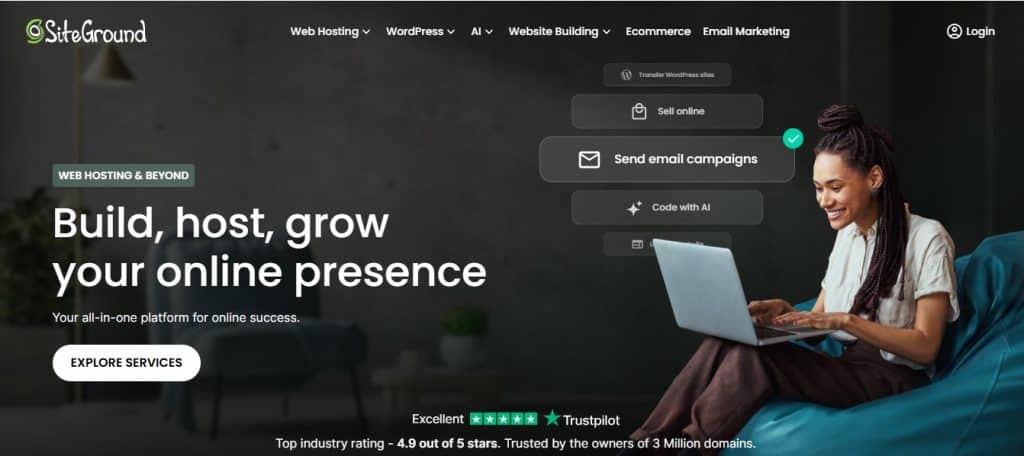
SiteGround
SiteGround is a well-established web hosting provider that offers a wide range of hosting services designed for individuals, businesses, and developers.
The company provides solutions such as shared web hosting, WordPress hosting, WooCommerce hosting, cloud hosting, and reseller hosting, making it suitable for various website needs.
In addition, SiteGround offers domain name registration, website management tools, and hosting solutions tailored for agencies and online businesses.
Their platform also includes useful resources like WordPress tutorials, plugins, optimization and security guides, as well as e-commerce and small business e-books.
Along with hosting, SiteGround supports users with a knowledge base, marketing guides, and an affiliate program to help users grow and manage their online presence effectively.
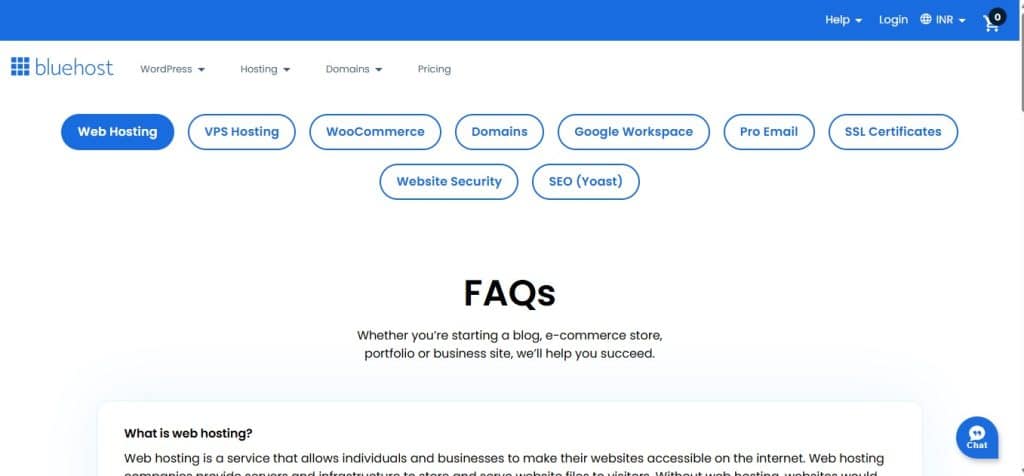
Bluehost
Bluehost is a popular web hosting provider that offers a wide range of reliable and scalable hosting solutions suitable for beginners, businesses, and developers.
The company provides hosting services such as shared web hosting, WordPress hosting, WooCommerce hosting, cloud hosting, VPS hosting (both managed and self-managed), and dedicated server hosting, making it ideal for different website needs.
In addition, Bluehost offers domain registration services, professional email hosting, Google Workspace integration, and website security solutions, including SSL certificates and backups.
Their platform also includes tools like AI website builders, SEO tools, marketing integrations, and support for eCommerce features such as bookings, payments, and online stores.
Along with hosting, Bluehost provides additional resources like a knowledge base, WordPress guides, affiliate programs, and 24/7 customer support to help users build, manage, and grow their online presence effectively.
Hostinger
Hostinger is a widely used web hosting provider that offers affordable and feature-rich hosting solutions for beginners, businesses, and developers.
The company provides services such as shared web hosting, WordPress hosting, WooCommerce hosting, cloud hosting, VPS hosting, agency hosting, and Node.js hosting, supporting a wide range of website requirements.
In addition, Hostinger offers website builder tools, AI-powered website and app creation features, domain registration, domain transfer services, and business email solutions, including Google Workspace integration.
Their platform also includes advanced tools like an AI website builder, an e-commerce website builder, email marketing tools, and self-hosted automation solutions, making it easy to build and scale online projects.
Along with hosting, Hostinger provides additional services such as free SSL certificates, website migration, backups, security features, and a knowledge base to help users efficiently manage and grow their online presence.
by Shashikanth Heerekar | Mar 23, 2026 | Insights
Learn what an SEO service provider does, why businesses need SEO, and how to choose the right SEO agency to improve rankings, traffic, and online visibility.
What is an SEO service provider?
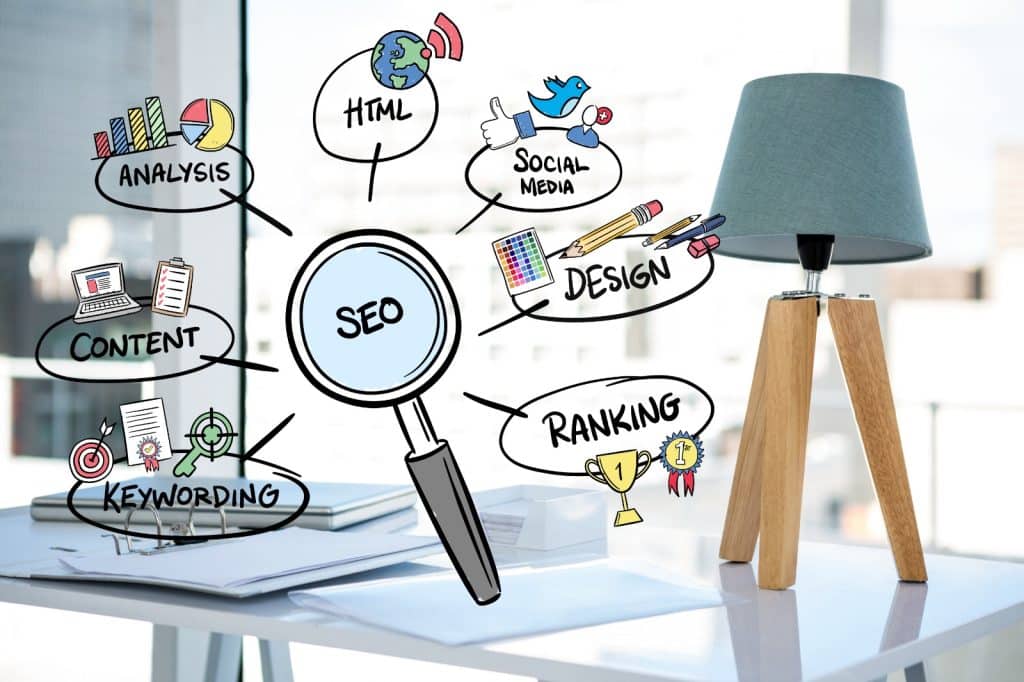
An SEO service provider is a company that improves a website’s visibility in search engines by optimizing content, fixing technical issues, and building backlinks.
What is an SEO agency?
An SEO agency provides strategies and optimization services to help businesses improve their search engine rankings.
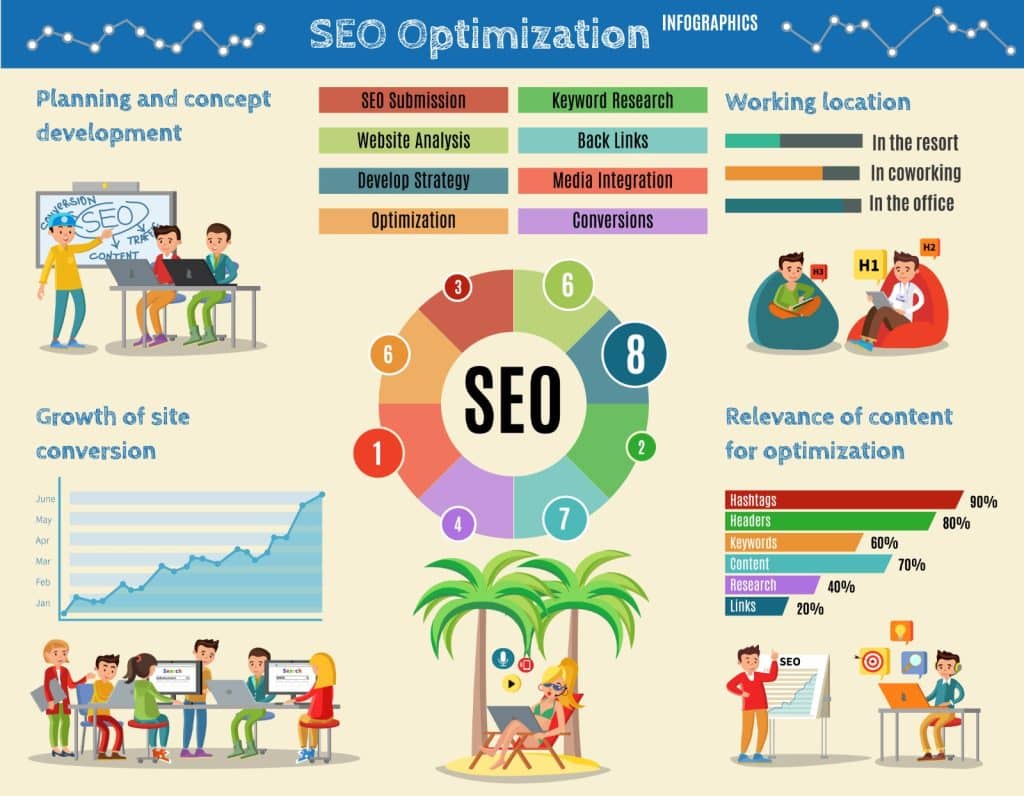
Some agencies usually have a team of specialists, including content writers, technical SEO experts, and link-building professionals who work together to optimize your website and help it gain more organic traffic.
Types of SEO services
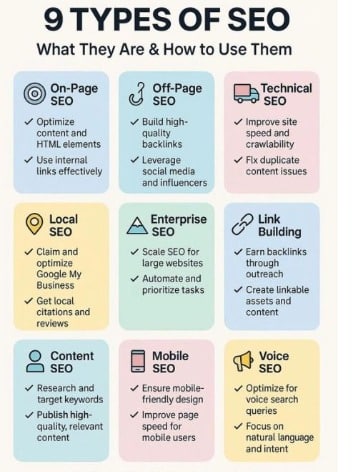
Most SEO providers offer multiple types of strategies.
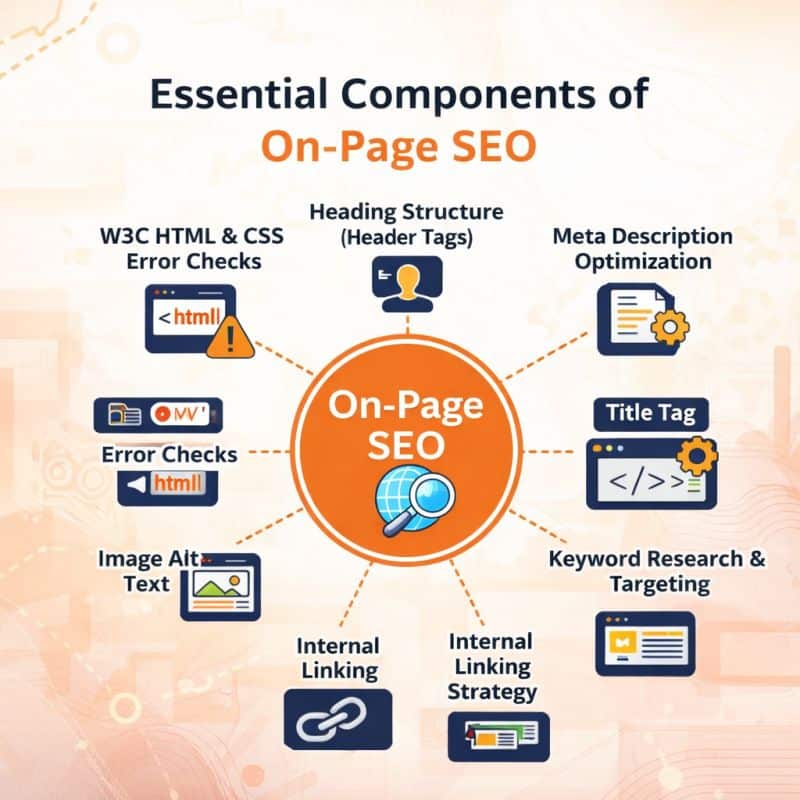
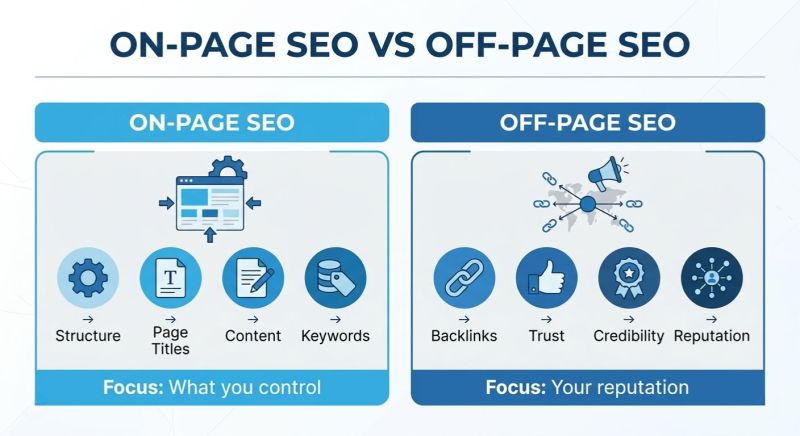
1. On-page
It involves improving your content and the structure of the webpage to rank better in search engines.
Activities involved
- keyword optimization
- title and meta description
- Internal page connections
- Image optimisation
For example, if you are writing a blog on digital marketing services based on a topic, the writer may catch some keyword optimization, add a title and meta description, and add a featured image to that blog.
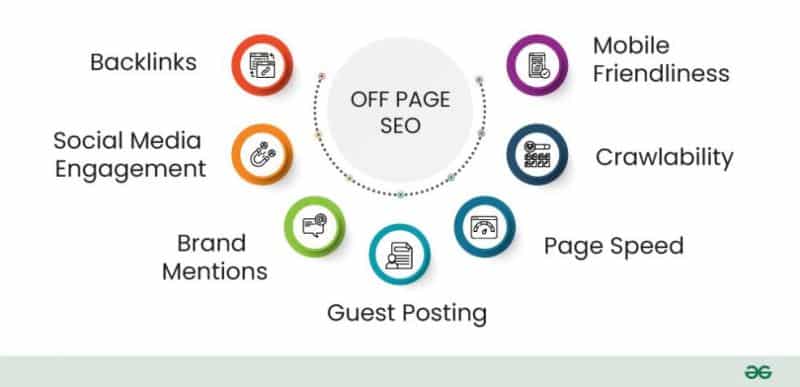
2. Off-page SEO
It helps SEO to build a website’s authority by building backlinks and brand mentions.
Activities involved
- Link building
- Guest post
- Brand mentions
For example, after the completion of an article, we need to rank on Google, so we need backlinks and guest posts. When we do brand mentions there, we can rank in Google.
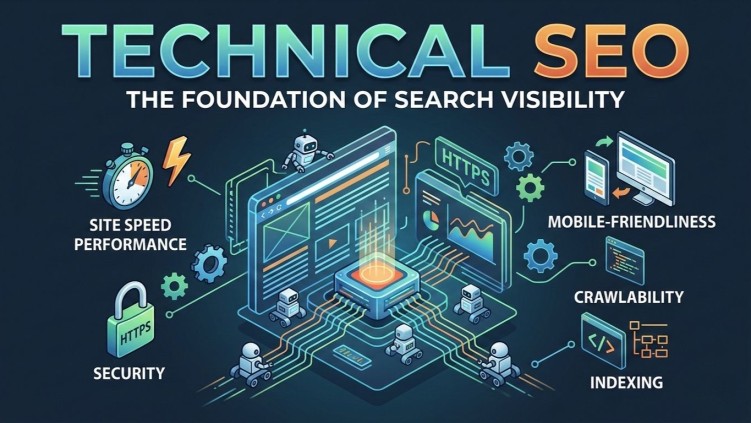
3. Technical SEO
Mainly focuses on improving the website’s backend performance, such as page speed, crawlability, and indexing issues.
Sometimes, technical errors can prevent a website from opening properly.
Activities involved
- Website speed optimization
- XML sitemap creation
- Fixing crawl errors
For example, if any person opens any website, it takes some time to open the website, or it shows some errors, and “we can’t open this page.” Like this, it shows when we open any website.
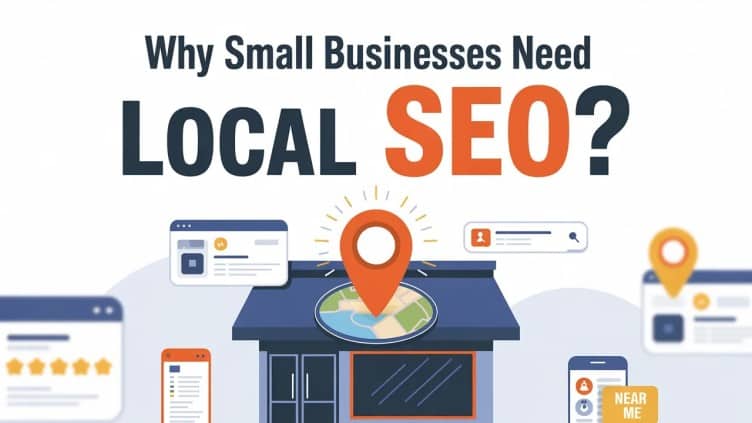
4. Local SEO
This helps businesses appear in the location when we search for places in the search engines; it will show the results.
For example, a company focusing on “SEO services in Hyderabad” optimizes its Google Business profile and location keywords.
On-page SEO vs. Off-page seo
| Factor |
On-Page SEO |
Off-Page SEO |
| Location |
Within site pages |
Beyond the website |
| Control |
High level of control |
Less control |
| Focus |
Content & site structure |
Brand authority & trustworthiness |
| Time to Results |
Quick results (days to weeks) |
Long-term results (weeks to months) |
| Techniques |
Content enhancement & site linking |
Link building & outreach |
| Risk Level |
Low risk (when properly implemented) |
Higher risk (spammy links can hurt rankings) |
| Examples |
Keywords, meta tags |
Backlinks, social shares |
Why Businesses Need SEO Services
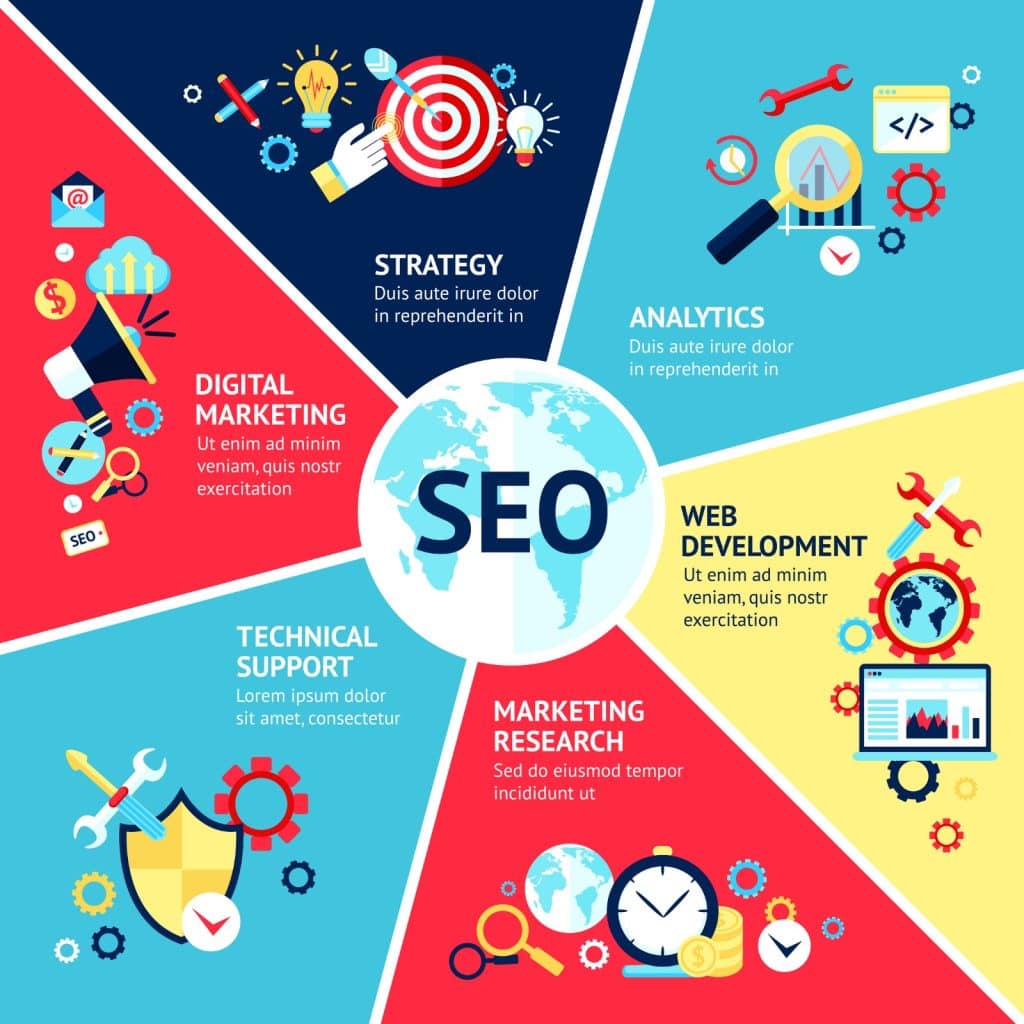
To rank in Google, search engines such as Google Search rank websites, while AI tools like ChatGPT and Perplexity AI help users to find and summarize information from different sources, and they will check if the content is related to the services.
Every business needs SEO services to gain recognition among customers and reach them. Benefits to businesses when they take the SEO services: The following are the benefits a business can get:
- To rank in Google
- To build the Trust brand’s trust
- Visible first, so that it gives first priority
- Reach the target customers
- Get more traffic and visibility
For example, if any company wants SEO services, they need to reach the customers. When users search on platforms like Google, ChatGPT, or Perplexity, these websites appear in the results.
If you search for “SEO services near me,” you will see websites that rank at the top of search results. that are ranked at the top for SEO services.
How to Choose the Best SEO Provider (2026)
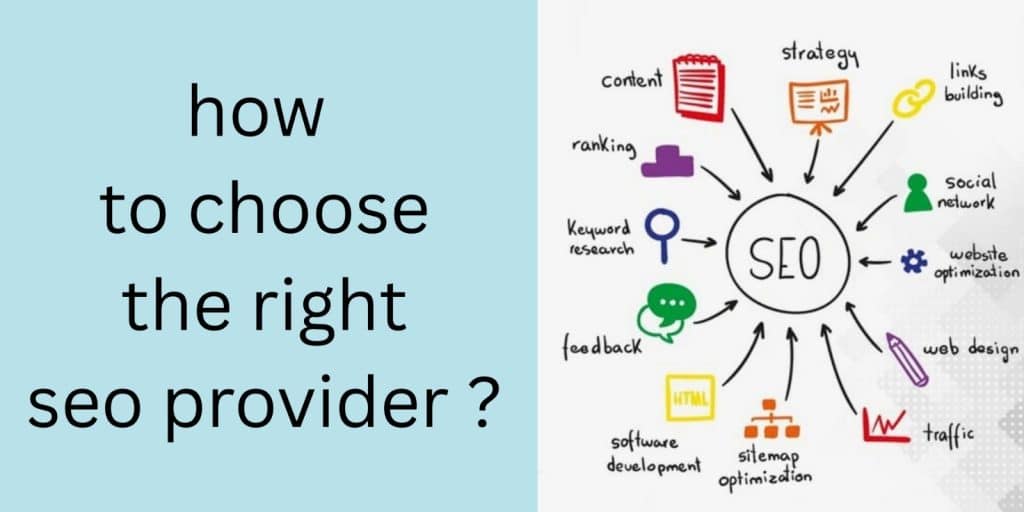
To choose the best SEO provider, check their experience, client reviews, transparency, pricing, and SEO strategy.
I know finding an SEO services provider takes time; to get great results, research on Google can give better results when we research on Google, ChatGPT, and Perplexity.
They are using the AI tools for better results. While choosing the right SEO provider, you need to check.
which helps businesses build brand credibility, reach the right audience, and increase conversions with the help of an SEO Company in Hyderabad.
1. Check Experience
Check whether the agency has worked with any clients previously. Check their client reviews of recent ones so that you can get an idea of that agency.
For example, I want to buy a product or service online; there, I will see the reviews, and I will buy the product. Same here; you can also see the reviews that have taken their service.
2. Read Client Reviews
It’s a platform where we can see the real agencies that are really doing SEO services. They will really provide the real results to the clients.
For example, see if a person needs SEO services, so they will check their Clutch reviews and Google reviews and take the services from them; we expect real results for the long term.
3. Analyze Strategy
Positive responses from past clients that can build trust and satisfaction with their SEO work are if they have more reviews, which can give more benefit to websites that rank on Google.
For instance, a client shared their feedback on the SEO agency, reviewing it as this service gave more traffic to my website and leads within a few months.
4. Avoid False Promises
No agency can give a guarantee of instant results in Google. Some of the companies do promise that they will get instant results. They may use risky techniques that can harm your website
For example, an agency promising that when you take our services, your website will rank 1st in Google within a week; SEO normally takes some time.
5. Check Transparency
When choosing an SEO agency, verify their credibility, experience, and transparency. A company always talks about genuine things to its customers.
For instance, a trustworthy agency always provides a clear report, explains everything, and communicates regularly.
6. Visit the office and have a face-to-face interaction.
Make a visit to the company or invite them to your office to discuss the website services. This helps you understand their approach, and it builds trust and transparency between both of you.
For example, if you are planning to hire an SEO agency, schedule a meeting in your office so that you can discuss your website goals, ask about their SEO strategies, and understand how they plan to improve your website’s search rankings.
Case Study: Hyderabad Local SEO
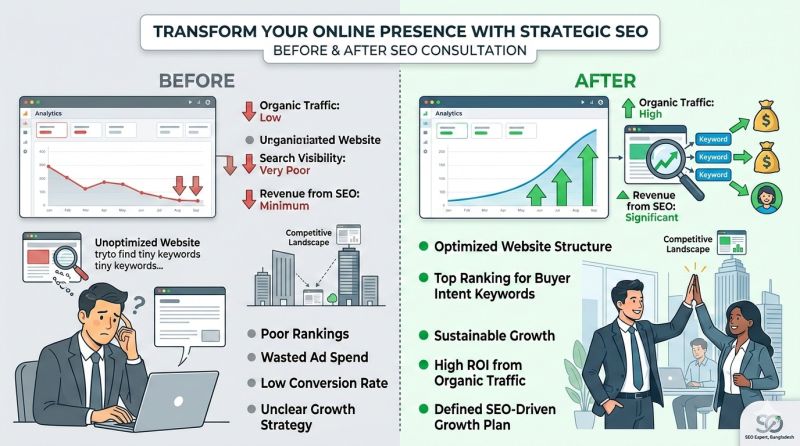
Client Overview
A local company providing SEO services in Hyderabad wanted to show up in location-based
searches and attracts more leads.
Challenges
- The business was not showing up in ‘near me’ searches.
- Their Google Business Profile was not well optimized.
- They had few reviews and low ratings, which hurt trust.
SEO Strategy Implemented
1. Local SEO Optimization
- We improved their Google Business Profile.
- We included location-based keywords like ‘SEO services in Hyderabad.’
2. Review & Reputation Strategy
- Customer reviews increased from 10 to over 85.
- The average rating went up from 3.8 to 4.6.
3. Local Content Creation
- We created service pages for different areas in Hyderabad.
- Local FAQs and geo-targeted blog posts were added.
4. Technical Improvements
- The website was optimized for mobile devices.
- We made the pages load faster.
Results (4–6 Months)
Metric
|
Before
|
After
|
Local Rankings
|
Not in Top 10
|
Top 3 positions
|
Website Traffic
|
1,200/month
|
3,800/month (+216%)
|
Leads Generated
|
15/month
|
55/month
|
Google Reviews
|
10 |
85+
|
Key Insights
- Local SEO is key for attracting leads who are ready to take action.
- Reviews have a direct effect on both rankings and customer trust.
- Using location-based keywords helps turn visitors into customers.
Conclusion
An SEO service provider can give the on-page and off-page services so that it can increase the visibility and traffic and make your business more visible to customers when searching on platforms like Google Search.
It is also important to avoid agencies that promise instant rankings and instead choose a provider that focuses on long-term and ethical SEO practices.
By selecting a trustworthy and experienced SEO service provider, businesses can build a strong online presence, reach their target audience, and achieve sustainable growth.
FAQ’s
1. What does an SEO service provider do?
Ans. An SEO service provider helps improve a website’s visibility in search engines like Google Search by performing keyword research, optimizing content, fixing technical issues, and building backlinks to increase organic traffic.
2. How much time does it take to rank in Google?
Ans. SEO is a long-term process; coming to the results takes a few months to appear. It may take 3–6 months to see noticeable improvements in rankings and traffic. Depending on the SEO strategy they use
3. In which way do the small businesses need SEO services?
Ans. Yes, it’s useful to small businesses. SEO is very important for small businesses because it helps them to compete with larger companies. It also helps attract local customers searching for services nearby.
4. How to choose an SEO provider?
Ans. based on their work on the previous project, client reviews, SEO strategies, and industry experience. A trustworthy company always provides clear communication and transparent reports.
5. Why is it important to choose a client review for an SEO agency?
Ans. Client reviews help you to understand the agency’s work performance. Positive reviews from previous clients show that the agency has successfully delivered results.
If you are looking for SEO services in Hyderabad, you can explore our detailed service page.
by Shashikanth Heerekar | Mar 17, 2026 | Insights
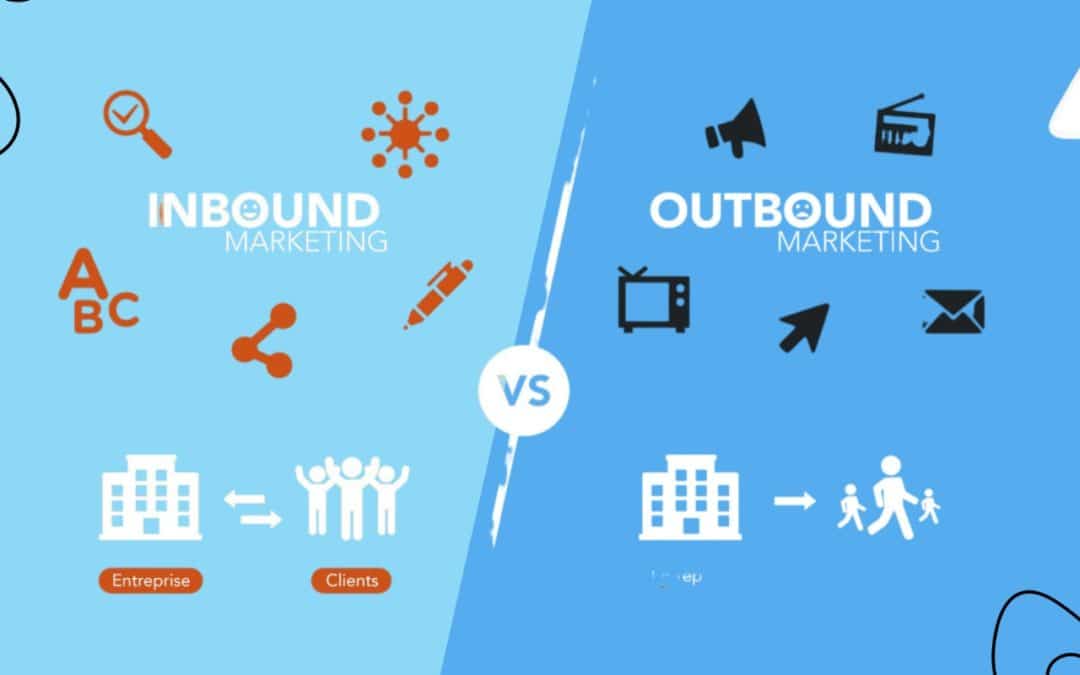
Today, businesses are always looking for better ways to reach customers and build lasting relationships. A key topic in digital marketing is the difference between inbound and outbound marketing.
A common question for beginners is, “What are inbound and outbound marketing, and which one works best?”
Inbound marketing focuses on attracting people naturally through helpful information and valuable content. Outbound marketing focuses on sending promotional messages directly to potential customers.
Knowing how both strategies work helps businesses build better marketing plans and connect with the right audience at the right time.
Inbound Marketing
Inbound marketing is a way for businesses to attract customers by sharing useful information, rather than interrupting them with ads.
This approach aims to solve problems, answer questions, and educate potential customers before trying to sell anything.
How Inbound Marketing Works
Inbound marketing uses valuable content and helpful resources. Businesses share information that answers the questions people search for online. This content draws visitors in naturally as they look for solutions.
As time goes on, these visitors start to trust the brand and may become interested in its products or services.
For example, inbound marketing includes creating blog articles, educational videos, search engine optimization, social media engagement, and email newsletters, which help customers discover a brand while searching for solutions.
Benefits of Inbound Marketing
Inbound marketing offers several long-term benefits:
- Builds trust with potential customers
- Generates organic website traffic
- Creates long-lasting brand authority
- Encourages meaningful customer engagement
Thanks to these benefits, many companies put a lot of effort into inbound strategies.
Outbound Marketing
Outbound marketing is a traditional approach where businesses promote their products directly to potential customers.
Instead of waiting for people to find them, companies actively send messages to a wide audience.
How Outbound Marketing Works
Outbound marketing uses several promotional methods. Businesses promote their products or services to reach a large audience quickly. These methods send messages straight to potential customers, rather than waiting for them to look for information.
For example, outbound marketing methods include television advertisements, display advertisements, cold calls, promotional emails, and sponsored social media ads that help businesses reach a large audience quickly.
These methods are designed to reach a wide audience quickly.
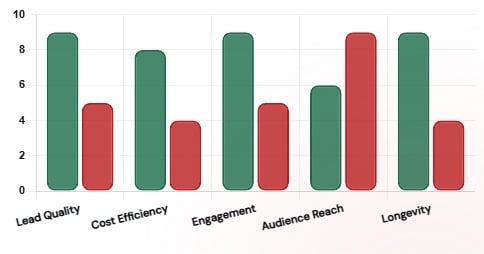
Core Differences and Methodological Contrasts in Marketing Approaches
It’s easier to understand inbound and outbound marketing when we compare how each one works.
| Feature |
Inbound Marketing |
Outbound Marketing |
| Strategy |
Attract customers |
Push promotional messages |
| Communication |
Two-way interaction |
One-way promotion |
| Customer Intent |
Customers actively search |
Customers may not be interested |
| Cost Efficiency |
Long-term investment |
Continuous advertising cost |
| Lead Quality |
Higher quality leads |
Broader audience reach |
For example, reading an informative blog is inbound marketing, while seeing a banner advertisement is outbound marketing.
Both strategies serve different purposes in marketing campaigns.
Strategic Coordination for Business Growth
Many successful businesses combine both inbound and outbound marketing approaches to achieve better results.
The advertisement helps attract attention from a wider audience, while the blog content builds trust and educates potential customers. Another common strategy is promoting a free guide or webinar through advertising campaigns.
- A company may publish a helpful blog and promote it through paid advertisements.
- Advertisements attract attention from a larger audience.
- Blog content helps build trust and educate potential customers.
Factors for Business Success and Sustainable Growth
To achieve long-term growth, businesses must focus on several important factors.
Understanding Customer Behavior
Companies must understand what their audience searches for and what problems they want to solve.
1. Creating Helpful Content
Valuable content plays a major role in attracting customers. Blogs, guides, and videos help people learn before making purchasing decisions.
For example, businesses often publish articles explaining industry trends, practical tips, and problem-solving strategies.
2. Using Promotion Strategically
Promotional campaigns become more effective when they support helpful content instead of pushing aggressive sales messages.
For example, promoting a free guide usually attracts more interested visitors than simply advertising a product.
3. Tracking Marketing Performance
Businesses should track important metrics like
- Website traffic
- Engagement rates
- Lead generation
- Conversion rate
- These insights help businesses improve their marketing strategies over time.
Conclusion
Knowing the difference between outbound and inbound marketing helps businesses build stronger and more effective marketing strategies.
Inbound marketing attracts customers by sharing valuable information and building real connections. Outbound marketing promotes products directly to a wider audience.
When businesses use both strategies together, they create a balanced marketing plan that boosts visibility, builds trust, and supports long-term growth.
Instead of picking just one method, successful companies use both strategies together to reach customers and offer real value.
FAQs
1. What is the main difference between inbound and outbound marketing?
Ans. Inbound marketing attracts customers through helpful content such as blogs, videos, and SEO, while outbound marketing pushes promotional messages directly to potential customers through advertisements, emails, or cold calls.
2. What are some examples of inbound marketing?
Ans. Search engine optimization (SEO), social media engagement, educational videos, email newsletters, and downloadable guides that help customers find useful information while searching online.
3. What are common outbound marketing methods?
Ans. Outbound marketing methods include television advertisements, display advertisements, cold calls, promotional emails, sponsored social media ads, and radio advertisements that directly promote products or services to a large audience.
4. Which is better: inbound marketing or outbound marketing?
Ans. Both strategies have advantages. Inbound marketing builds long-term relationships and trust with customers.
5. Why do businesses combine inbound and outbound marketing strategies?
Ans. Businesses combine these strategies to increase visibility and attract different types of customers. Outbound marketing helps reach new audiences quickly.