
by Shashikanth Heerekar | Dec 4, 2024 | All Things about Marketing
Discover how to rank HVAC services effectively with this comprehensive step-by-step guide. Learn the meaning of HVAC, its systems, and industry insights to boost visibility and grow your business online.
Introduction
In today’s highly competitive landscape, ranking your HVAC services at the top of search results is essential for attracting more clients. HVAC, which stands for heating, ventilation, and air conditioning, is vital, especially with increasing demand for climate control solutions. This manual provides step-by-step instructions for improving your HVAC company’s internet visibility and growth.
Discovering how to rank HVAC services online effectively can significantly boost your business visibility and customer base. In this detailed guide, we’ll delve into the HVAC industry, define key concepts, explore types of HVAC systems, and provide a step-by-step plan to optimize your HVAC services for search engines.
What is HVAC?
HVAC stands for Heating, Ventilation, and Air Conditioning. It describes the technology used to control the temperature, humidity, and air quality, guaranteeing year-round indoor comfort for residences and commercial buildings. An HVAC system includes air conditioners, furnaces, heat pumps, ductwork, and thermostats.
Key Terms in HVAC:
- HVAC System: A combination of heating, cooling, and air circulation equipment.
- HVAC refers to integrating air conditioning, ventilation, and heating systems.
- HVAC Cooling Systems: Focus on lowering indoor temperatures, typically involving air conditioning units or heat pumps.
- HVAC Ventilation: Ensures fresh air circulation and removal of stale air, improving air quality.
- HVAC in Construction: Plays a critical role in building designs for maintaining energy efficiency and comfort.
Types of HVAC Systems
- The most popular HVAC system comprises outdoor and indoor heating and cooling units.
- Ductless Mini-Split Systems: Ideal for homes without existing ductwork, providing room-specific climate control.
- Packaged HVAC Systems: Compact units that house all components in one cabinet, suitable for smaller spaces.
- Geothermal HVAC Systems: Energy-efficient systems that leverage the Earth’s natural heat for heating and cooling.

Step-by-Step Guide to Ranking HVAC Services
-
Understand Your Target Audience
- Identify the needs of potential customers: Are they looking for residential HVAC installations, repairs, or maintenance?
- Employ local search terms such as “HVAC services near me” or “air conditioning repair” to attract local clients.
- When addressing pricing strategies in the HVAC industry, understanding HVAC flat rate pricing can be crucial for service providers who wish to offer transparent and consistent prices. This method helps streamline operations by focusing on per-job rates rather than hourly charges, driving both customer satisfaction and operational efficiencies.
Keyword Research and Implementation
Incorporate pertinent keywords into your headings, meta descriptions, and content. Examples include:
- What is HVAC?
- HVAC system meaning
- Heating, ventilation, and air conditioning services
- HVAC cooling and heating systems
Create High-Quality Content
Write blog posts, guides, and FAQs to educate your audience on HVAC systems and services. For example:
- How Does an HVAC System Work?
- Benefits of Energy-Efficient HVAC Systems
- Maintenance Tips for HVAC Units
Optimize Your Website
- Technical SEO: Make sure your website loads quickly, is error-free and is optimized for mobile devices.
- On-Page SEO: Use target keywords in titles, headings, and alt text for images.
- Local SEO: Register your business on Google My Business and include accurate NAP (Name, Address, Phone) details.
Leverage Online Directories
List your HVAC commercial enterprise on respectable directories like Yelp, Angi, and Thumbtack. This will increase your visibility and foster trust in the community.
- Earn Backlinks from Industry Websites
Collaborate with industry bloggers, HVAC product manufacturers, and construction companies for backlinks to your site. For example:
- Write guest posts for HVAC blogs.
- Provide case studies for manufacturers of HVAC equipment.
Engage on Social Media
Use platforms like Facebook, Instagram, and LinkedIn to share updates, customer testimonials, and educational content about HVAC systems.
Invest in Paid Advertising
Ads on Facebook and Google can target particular audiences looking for HVAC services. Keywords like “HVAC installation” and “air conditioning repair” work well for pay-per-click campaigns.
Encourage Reviews
Request evaluations from pleased clients on Yelp, Google, and other websites. Good reviews boost the legitimacy of your company and have an impact on rankings.
Monitor and Adjust Your Strategy
Use tools like Google Analytics, SEMrush, or Ahrefs to track website traffic, keyword rankings, and user behaviour. Based on performance metrics, adjust your strategy.
Why Ranking HVAC Services Matters
HVAC companies must stand out in a crowded industry. Ranking higher on search engines ensures you:
- Reach more customers actively searching for HVAC services.
- Build authority in the HVAC industry.
- Increase your income by turning internet visitors into devoted clients.
Conclusion
Ranking HVAC services online requires a combination of technical SEO, content creation, and local marketing strategies. Understanding HVAC systems and optimizing your online presence can enhance visibility and dominate your local market. Follow this guide step-by-step, and you’ll be on your way to growing your HVAC business successfully.
Let’s start today—optimize your HVAC services and make your business the go-to choice for comfort solutions!
(FAQs)
What is HVAC, and how does it operate?
HVAC stands for Heating, Ventilation, and Air Conditioning. It uses duct systems, air conditioners, and furnaces to control indoor temperature, humidity, and air quality.
What is the importance of HVAC systems in homes and businesses?
HVAC systems ensure comfort by maintaining ideal indoor temperatures, improving air quality, and supporting energy efficiency. They are necessary in commercial, industrial, and residential situations.
What are the different types of HVAC systems?
Common HVAC systems include split systems, ductless mini-splits, packaged units, and geothermal systems, each designed for specific needs like space, efficiency, and climate control.
How does an HVAC system improve air quality?
HVAC systems use filters and ventilation to remove pollutants, allergens, and dust from the air while introducing fresh outdoor air to enhance overall indoor air quality.
Why is local SEO so important for companies that provide HVAC services?
Local SEO helps HVAC businesses rank higher in local search results, making it easier for potential customers in their area to find and contact them for services.
How can keyword optimization help rank HVAC services?
Using relevant keywords like “HVAC system repair” or “air conditioning installation” in your content and meta tags boosts search engine visibility for your HVAC services.
What are the most common HVAC maintenance tips for homeowners?
To ensure your HVAC system operates efficiently and lasts longer, regularly replace filters, clean vents, check thermostats, and schedule professional inspections.

by Shashikanth Heerekar | Nov 30, 2024 | Artificial intelligence
Learn how to humanize AI and create stronger, real customer connections. Bridge the gap between tech and empathy!
Introduction
Artificial intelligence (AI) has rapidly become integral to modern life, influencing everything from communicating with loved ones to how businesses operate in a fast-paced, digital world. From virtual assistants and chatbots to advanced analytics and decision-making tools, AI systems are designed to make tasks faster, more efficient, and, in many cases, more accurate. However, as these systems become more prevalent, a significant challenge has emerged: the perception that AI, while functional, often needs more warmth, understanding, and relatability to define human interactions. This disconnect can make AI feel cold, robotic, and impersonal, leading to frustration and a lack of trust among users.
Enter Humanize AI, a revolutionary approach designed to bridge this gap by making AI systems more empathetic, ethical, and human-like. This emerging paradigm shifts the focus from merely solving problems to doing so with emotional intelligence and sensitivity, all with the user’s experience at the forefront. Imagine interacting with a virtual assistant who doesn’t just process your words but also understands your tone, senses your emotions, and adapts its responses to align with your mind. Whether you’re stressed, joyful, or uncertain, such an AI could provide an experience that feels efficient, genuinely caring, and personalized.
This vision of humanized AI is not just a concept but a potential game-changer that could fundamentally reshape our relationship with technology. Fostering a deeper connection between humans and machines can transform how we work, communicate, and live. Beyond functionality, Humanize AI introduces a new dimension of trust and relatability, setting the stage for a future where technology feels less like a tool and more like a compassionate partner.
What is Humanize AI?
Humanize AI refers to developing AI systems that can understand, interact, and adapt to human emotions, behaviours, and needs. Unlike traditional AI, which relies solely on logic and data processing, Humanize AI integrates empathy, ethics, and personalization to create more meaningful interactions.
For example, an empathetic chatbot can detect when a customer is frustrated and respond with reassurance rather than a generic answer. This shift from transactional interactions to emotionally intelligent responses makes Humanize AI unique.
Core Principles of Humanize AI:
- Empathy: Understanding and responding to human emotions.
- Transparency: Ensuring users understand how decisions are made.
- Ethics: Avoid bias and make AI decisions that are fair and responsible.
- Personalization: Tailoring experiences to individual needs and preferences.
- Inclusivity: Designing accessible systems for everyone, including people with disabilities.
Why is Humanize AI Important?
As AI becomes an integral part of our lives, making it more human-like isn’t just a preference—it’s a necessity. Here’s why:
1. Bridging the Gap Between Technology and People
One of the biggest challenges with AI is that it often feels cold and unrelatable. Humanize AI bridges this gap by making technology more intuitive and emotionally aware. This is especially crucial in healthcare or customer service, where empathy plays a key role.
2. Building Trust in AI Systems
People are more likely to trust AI systems that feel relatable and ethical. Transparent and human-centred AI creates confidence, making users feel secure about their interactions with technology.
3. Enhancing User Experience
AI that understands emotions can dramatically improve user experiences. For example, a human-like AI virtual assistant can adjust its tone and response style depending on whether a user is happy, confused, or annoyed.
4. Promoting Ethical and Inclusive AI
With concerns about AI bias and fairness, Humanize AI focuses on ethical development. This ensures that systems do not discriminate and are inclusive of all users, regardless of their backgrounds or abilities.
Applications of Humanize AI
Humanize AI is making waves across multiple industries. Let’s examine how it’s transforming how we work, learn, and interact.
1. Customer Service
In customer service, empathy is everything. AI-powered chatbots and virtual assistants are designed to recognize customer emotions, such as frustration or satisfaction, and respond appropriately. For example:
- Scenario: A customer complains about a product delay.
- Traditional AI: “Your order is delayed.”
- Humanized AI: “We’re sorry for the inconvenience. We’re working to resolve this as quickly as possible.”
2. Healthcare
AI systems in healthcare are being developed to provide personalized care. For instance:
- Virtual assistants can remind patients to take their medications while offering encouraging words.
- AI can assess a patient’s tone during telemedicine consultations to detect signs of stress or depression.
3. Education
AI in education is revolutionizing personalized learning. Intelligent tutoring systems adapt to students’ pace, helping them learn more effectively. For example:
-
-
-
- A math tutoring app might support a student struggling with a concept while encouraging those who excel.
A video caption generator can enhance accessibility in educational videos, making content easier to follow for diverse learners.
Moreover, to make educational content feel more natural and relatable, many educators now use tools that humanize AI text, making lessons more engaging and less robotic.
Similarly, the use of AI in the legal profession is growing, especially through platforms that simplify case research, improve accuracy, and enhance learning for law students and legal professionals.
4. Retail
In retail, AI personalization helps create a seamless shopping experience. For instance:
- Recommendation engines suggest products based on a customer’s preferences and mood.
- Virtual shopping assistants can provide human-like responses to customer queries.
- AI safety software for the retail sector also plays a crucial role in ensuring safer and more efficient store operations.
5. Workplace Productivity
AI tools are now being used to enhance employee satisfaction. By analyzing feedback and understanding employee concerns, AI can analyze actionable insights to improve workplace morale.
Challenges in Humanizing AI
While the potential of Humanize AI is vast, there are several hurdles to overcome:
1. Technical Limitations
Developing AI systems that truly understand human emotions is complex. Emotions are subjective, and interpreting them accurately requires advanced machine learning models.
2. Ethical Concerns
Bias in AI is a major challenge. If not addressed, even human-like AI can perpetuate stereotypes or unfair practices.
3. Data Privacy Issues
AI often relies on access to user data to deliver personalized experiences. Ensuring this personalization while safeguarding privacy is essential.
4. High Costs
Developing Humanize AI is resource-intensive, making it difficult for smaller businesses to adopt it.
The Future of Humanize AI
The future of AI lies in its ability to connect with humans on a deeper level. Over the next decade, we can expect:
- Emotional AI in Virtual Reality: AI systems in VR environments will simulate human emotions, making virtual interactions more realistic.
- Advanced Mental Health Tools: AI will play a larger role in therapy, offering real-time emotional support.
- AI in Social Interactions: From virtual companions to AI-driven dating platforms, humanized AI will enhance personal relationships.
FAQ’s About Humanize AI
1. What is the main goal of Humanize AI?
The main goal of Humanize AI is to create artificial intelligence systems that feel more human in their interactions. Unlike traditional AI, which focuses purely on logic and efficiency, Humanize AI aims to integrate empathy, ethics, and personalization into its design. It strives to make technology relatable and emotionally intelligent, enabling machines to understand better and respond to human emotions, needs, and behaviours.
2. Why is it important to humanize artificial intelligence?
Humanizing artificial intelligence is essential because it addresses the challenges of trust, user experience, and ethical concerns in AI systems. Here are some detailed reasons why it matters:
- Builds Trust: Emotionally aware AI earns user trust by responding empathetically, leaving a positive impression.
- Enhances Experience: Adaptive AI creates personalized, enjoyable interactions, like a tutor adjusting to a student’s progress.
- Promotes Ethics: Humanized AI minimizes bias, ensuring fairness and respect for all users.
- Improves Accessibility: Intuitive design makes AI usable for diverse abilities, including people with disabilities, broadening its reach.
3. How does Humanize AI work in customer service?
In customer service, Humanize AI transforms traditional chatbot and virtual assistant experiences into empathetic and engaging interactions. Here’s a breakdown of how it works:
- Emotion Recognition: AI detects emotions like frustration or happiness using NLP and sentiment analysis to adjust its tone accordingly.
- Adaptive Responses: Humanized AI responds empathetically, offering apologies and reassurance instead of generic replies.
- Personalization: It remembers past interactions, greeting returning customers warmly and tailoring responses.
- Proactive Problem Solving: Humanized AI anticipates issues, offering solutions like order tracking or alternatives without customer prompting.
4. What are the challenges of implementing Humanize AI?
Implementing Humanize AI is no small feat, as it involves overcoming several technical, ethical, and logistical challenges. Here’s an in-depth look at these hurdles:
- Technical Complexity: Interpreting emotions accurately requires advanced algorithms and extensive data processing.
- Bias: AI systems risk producing biased outcomes if trained on skewed data.
- Privacy: Balancing personalization with user privacy is a significant challenge.
- Costs: Developing Humanized AI demands substantial investments, limiting access for small businesses.
- Cultural Adaptation: AI must adapt to global differences in emotions and communication styles for effective interactions.
5. What industries benefit the most from Humanize AI?
Several industries are already experiencing significant benefits from Humanize AI, and its potential is only growing. Here are some key sectors:
- Healthcare: Humanized AI offers personalized care, detects anxiety or depression, and provides support, while virtual assistants encourage medication compliance.
- Education: AI tutors adapt to students’ needs, providing tailored lessons and encouragement to boost confidence and understanding for PTE Exam
- Customer Service: Humanized AI improves customer satisfaction by resolving complaints empathetically and offering personalized recommendations, enhancing loyalty.
- Retail: Retail enriches the shopping experience with real-time, customized assistance, helping customers find the perfect product.
- Workplace Productivity: Humanized AI analyzes feedback, detects stress, and suggests morale-boosting solutions, fostering a positive and productive workplace.
Conclusion
Humanize AI represents the next big step in the evolution of technology. Integrating empathy, ethics, and personalization transforms how we interact with machines. Whether in customer service, healthcare, or education, the applications of Humanize AI are vast and impactful. While challenges like bias and privacy remain, the future looks promising as more developers and organizations invest in creating human-like AI systems.
As we move toward a world where technology feels less robotic and more relatable, one thing is clear: the era of humanized AI is just beginning. It’s up to us to shape this future to benefit everyone.
by Shashikanth Heerekar | Nov 30, 2024 | Artificial intelligence
Get insights into the best AI database tools for flawless data management. Empower your business with AI-driven solutions!
What is an AI Database?
An AI database is a smart tool that uses artificial intelligence (AI) to store, organize, and manage data. It analyzes data, makes predictions, and suggests improvements quickly. Unlike regular databases, AI databases can learn from the data, making them more helpful over time.
For example, when you search for something, the AI for DB can find the information you need faster.
Using AI DB means less work for people because the computer understands the data better. With the help of AI tool database and AI tools database, businesses can keep their data organized and find patterns to make better decisions.
These AI database tools use advanced technology to save time and improve accuracy. In short, database AI tools are like super-smart helpers for handling data!
The practicality of AI database tools
AI database tools are very useful because they make working with data easy and quick. These tools help create and organize data systems, saving time and effort. For example, tools for database development can help design a system that stores important information.
Using an open-source database design tool, anyone can create their own data storage setup. A database structure design tool helps organize the data neatly and clearly. A database design tool works like a guide to set up your database correctly.
If you want to build a new database, database creator software and an AI database builder are great options. These tools are smart and can help with planning and creating databases faster. With tools for database design or database building tools, you can make databases that are easy to use and understand.
In short, these design database tools make building and managing data systems much simpler!
The Benefits of Using AI in Managing Databases
Using AI to manage databases makes work easier and faster. AI can organize data, find mistakes, and even give suggestions to improve how data is used. Here are some benefits:
- Saves Time: AI works quickly to sort and analyze data, so people don’t have to spend hours doing it.
- Fixes Mistakes: AI can find and fix errors in the database, keeping the data clean and accurate.
- Learns and Improves: AI gets smarter as it works, which helps it give better results over time.
- Helps with Big Data: Managing large amounts of information is easier with AI, as it can handle it without getting tired.
- Makes Better Decisions: AI can find patterns in data and give useful insights, helping people make smarter choices.
In short, AI is like a super helper that makes managing databases simple and efficient!
Exploring the different types of AI database tools
AI database tools help manage data in smart and efficient ways. Let’s learn about some popular tools, their features, and advantages:
1. ChatGPT
ChatGPT, an advanced language model developed by OpenAI, revolutionizes conversational AI and content generation. It offers natural language processing capabilities, enabling users to generate human-like text, answer questions, and assist with various writing tasks. To maximize its effectiveness, it’s essential to use good prompts, ensuring that the AI produces accurate and relevant responses.

Features:
- Advanced natural language processing
- Contextual understanding
- Multilingual support
- Versatile text generation capabilities
- Interactive problem-solving
- Code writing assistance
Advantages:
- Rapid content creation
- Adaptable across multiple domains
- Generates complex written content
- Provides detailed explanations
- Supports creative and professional writing tasks
- Enhances productivity and creativity
2. Alli AI

Alli AI is an innovative SEO optimization platform leveraging artificial intelligence to streamline website performance and search engine rankings. It provides automated SEO strategies, intelligent content optimization, and comprehensive website analysis — making it useful not just for blogs and businesses, but also for anyone managing a portfolio, eCommerce site, or even a logo maker website.
Features:
- Automated SEO strategy generation
- Comprehensive website analysis
- Intelligent content optimization
- Keyword recommendation system
- Automatic site audits
- Technical SEO issue identification
Advantages:
- Reduces manual SEO workload
- Accelerates website performance improvement
- Provides data-driven insights
- Enhances search engine rankings
- Cost-effective optimization
- Supports digital marketing efforts
3. DALL-E 2
DALL-E 2, developed by OpenAI, is a groundbreaking AI image generation tool that creates stunning, realistic images from textual descriptions. It uses advanced machine learning algorithms to transform written prompts into visually compelling artwork, photographs, and illustrations.

Features:
- AI-powered image generation
- High-resolution image creation
- Text-to-image transformation
- Style adaptation
- Creative concept interpretation
- Multiple genre image generation
Advantages:
- Rapid visual content production
- No advanced graphic design skills are required
- Unlimited creative possibilities
- Unique image generation
- Supports artistic and professional visual needs
- Accessible image creation tool
4. Copy.ai
Copy.ai is an AI-powered content creation platform designed to efficiently generate marketing copy, social media content, and creative writing. It employs advanced natural language processing to craft compelling text across multiple formats.

Features:
- AI-powered content generation
- Marketing copy creation
- Social media content generator
- Blog post writing
- Email template builder
- Multilingual support
Advantages:
- Significant time savings
- Consistent brand voice maintenance
- High-quality content production
- Overcomes creative blocks
- Supports multiple content formats
- Cost-effective writing solution
5. Google Cloud AI
As a powerful artificial intelligence platform, Google Cloud AI delivers a wide range of advanced tools and services designed for both developers and enterprises. It supports scalable solutions for everything from data analysis and predictive modeling to natural language processing and computer vision. With its robust infrastructure and user-friendly tools, businesses can build intelligent applications and unlock deeper insights from their data artificial intelligence platform.

Features:
- Pre-trained machine learning models
- Custom model development
- Natural language processing
- Computer vision capabilities
- Cloud integration
- Scalable AI solutions
Advantages:
- Enterprise-grade AI capabilities
- Robust security infrastructure
- Flexible deployment options
- Drives organizational innovation
- Supports complex data analysis
- Enables intelligent application development
6. Midjourney
Midjourney is an advanced AI image generation platform that creates extraordinary, artistic visuals through text-based prompts. It transforms written descriptions into stunning, often surreal images using sophisticated machine learning algorithms.

Features:
- Advanced image generation
- Text-to-image transformation
- Style customization
- High-resolution output
- Creative concept interpretation
- Artistic visual generation
Advantages:
- Rapid artistic creation
- Unique visual style exploration
- Accessible for non-technical creators
- Supports diverse design needs
- Generates imaginative artwork
- Enhances creative expression
7. Salesforce Einstein
Salesforce Einstein is an AI-powered intelligent layer integrated within the Salesforce CRM platform. It offers predictive analytics and smart automation, advanced customer insights, personalized recommendations, and automated workflow optimization.

Features:
- Predictive analytics
- Customer insight generation
- Intelligent workflow automation
- Lead scoring
- Automated data analysis
- CRM integration
Advantages:
- Enhanced customer engagement
- Improved sales productivity
- Data-driven decision making
- Personalized customer experiences
- Streamlined business processes
- Advanced predictive capabilities
8. H2O.ai
H2O.ai is an enterprise AI platform providing open-source machine learning and artificial intelligence solutions. It offers comprehensive tools for data scientists, developers, and businesses to build and deploy intelligent applications.
Features:
- Automated machine learning (AutoML)
- Open-source AI platform
- Model interpretation tools
- Scalable AI infrastructure
- Enterprise AI solutions
- Multi-industry support
Advantages:
- Simplified model development
- Reduced AI implementation complexity
- Democratizes AI technologies
- Accelerates organizational innovation
- Supports diverse machine learning needs
- Comprehensive AI development platform
9. PyTorch
PyTorch is an open-source machine learning library developed by Facebook’s AI Research lab. It is widely used for deep learning and neural network development. It provides dynamic computational graphs, extensive research flexibility, and intuitive Python integration.

Features:
- Open-source machine learning library
- Dynamic computational graphs
- GPU acceleration
- Automatic differentiation
- Python integration
- Extensive neural network development tools
Advantages:
- Rapid AI model prototyping
- Flexible research capabilities
- Strong community support
- Intuitive development environment
- Advanced deep learning support
- Cutting-edge AI research facilitation
10. Descript
Descript is an innovative platform that uses AI to revolutionize audio and video editing and transform content production. It offers advanced features like text-based editing, automatic transcription, and AI-driven audio enhancement. Users can edit multimedia content as easily as a text document.

Features:
- AI-powered multimedia editing
- Text-based audio/video editing
- Automatic transcription
- Voice cloning
- Screen recording
- Collaborative editing tools
Advantages:
- Simplified post-production processes
- Significant time savings
- Accessible multimedia editing
- Professional content creation support
- Intelligent automation
- User-friendly interface
How to Choose the Right AI Database Tool for Your Organization
Choosing the right AI database tool for your organization is important to ensure smooth data management, better decision-making, and improved productivity.”Here are some key reasons and steps to help you choose the right tool:
- Understand Your Needs: Before choosing a tool, consider what your organization needs from the AI database. Do you need tools for storing large datasets, analyzing data, or automating tasks? Knowing this will guide your decision.
- Ease of Use: The tool should be user-friendly so your team can easily learn and use it without extensive training. Look for tools with a simple interface.
- Scalability: As your organization grows, so will your data. Choose a tool that can easily scale to handle larger data volumes in the future.
- Integration: Assess the tool’s cost and confirm it aligns with your budget. Some tools may offer exceptional features but could be overly expensive, while others deliver good value at a lower price.
- Cost: Evaluate the tool’s price and ensure it fits within your budget. Some tools may have excellent features but may be too expensive, while others provide good value at a lower cost.
- Security and Compliance: To protect your data, choose a tool that offers strong security features and complies with relevant regulations.
Considering these factors, you can select the right AI database tool that suits your organization’s needs and helps improve data management processes.
The Future of AI in Database Management
The future of AI in database management is very exciting, as AI will continue to play a major role in improving how databases are created, maintained, and used. To stay ahead, many companies are now looking to a custom AI development company to leverage these innovations.
- Automation: AI will automate numerous database management tasks, including data entry, backups, and security monitoring. This will minimize the need for manual intervention and assist businesses in saving time and resources.
- Smarter Data Analysis: AI will make data analysis more efficient by quickly identifying patterns and trends that would be difficult for humans to spot. This will enable businesses to make quicker and more informed decisions.
- Improved Security: AI will help enhance database security by detecting unusual patterns and potential threats in real time. This will help protect sensitive data from cyber-attacks.
- Self-Optimizing Databases: AI will create databases that automatically optimize their performance, improving speed and reducing costs without manual tuning.
- AI-Driven Decision Making: AI’s ability to analyze large volumes of data will assist businesses in making data-driven decisions, leading to smarter strategies and better outcomes.
AI will make database management faster, more efficient, and more secure in the future, transforming how businesses handle their data.
Conclusion
In conclusion, using AI database tools revolutionizes data management by making it faster, more efficient, and less prone to errors. These tools offer a range of benefits, from automating complex tasks to enhancing security and data analysis. By incorporating AI, organizations can streamline their database processes, gain deeper insights from data, and make more informed decisions.
Whether you’re looking to manage large datasets, optimize database performance, or improve security, AI database tools provide the necessary solutions for seamless data management. As technology evolves, these tools will become even more advanced, making data management more accessible and efficient for businesses of all sizes.

by Shashikanth Heerekar | Nov 25, 2024 | SEO News
Discover how SEO can transform your auto business. From better visibility to increased conversions, services drive results you can count on.
Why SEO is Essential for the Automobile Industry
Search Engine Optimization (SEO) is optimizing websites to rank higher on search engines like Google, making them more visible to potential customers. For businesses in the automotive industry, SEO is crucial to driving targeted traffic, increasing brand visibility, and connecting with car buyers and service seekers. Whether it’s auto dealer SEO or car dealership SEO, SEO ensures your online presence aligns with what your audience is searching for, giving you a competitive edge in the digital landscape.
Regarding SEO for automotive businesses, services are tailored to meet the industry’s unique needs. Auto SEO companies and automotive SEO agencies focus on strategies like local SEO for dealerships, optimizing inventory pages, and creating engaging content.
Effective auto SEO services help dealers connect with buyers in their area and beyond, while car SEO ensures every part of the customer journey is supported. These strategies are vital for boosting visibility, increasing website traffic, and converting leads into sales in the highly competitive automotive SEO industry.
Tailored SEO Strategies for Automotive Businesses
You understand that every automotive business is unique, and to create tailored SEO strategies to meet the specific needs of your dealership. Dealer SEO and dealership SEO are at the core of our approach, focusing on boosting your online visibility and driving relevant traffic to your website.
With the increasing competition in the automotive industry, businesses need to implement the right SEO for automotive solutions to stand out. Whether you’re an independent car dealer or a large car dealership, strategies will help you reach the right audience through effective search engine optimization for car dealers.
You specialize in automotive SEO and offer car dealer SEO services to improve visibility and customer engagement. The services are tailored to meet the unique challenges faced by car dealerships SEO, ensuring that your website ranks well for keywords like SEO car, auto dealer SEO, and SEO for auto dealers.
From car dealership SEO services to localized optimization, the focus is improving your search engine position and driving highly targeted traffic that converts. As a top automotive SEO company, help your business rank higher on automotive search engines, ensuring potential customers find you easily.
With years of experience as an established automotive SEO agency, Seo companies offer comprehensive SEO for car dealerships and SEO for dealerships across the board. The expert team knows how to leverage it.
They ensure your online presence is optimized to its fullest potential, giving you a competitive edge in the automotive SEO market. Whether you need car dealers’ SEO or auto SEO company expertise, provide the tools and strategies to help your business thrive in the ever-evolving world of automotive marketing.
SEO services for Automobile

SEO For Automobile Dealers
-> Keyword Research
Effective auto dealer SEO begins with in-depth keyword research tailored to the automotive industry. Identifying high-performing terms like “car dealership SEO” and “automotive dealer SEO” ensures your content reaches the right audience.
They analyze search volume, competition, and user intent using advanced tools. Studies reveal that 70% of car buyers begin their journey online, making a strategic keyword approach critical. A well-curated automotive keywords list boosts search engine rankings and enhances visibility for seo for automotive businesses.
-> Link Building
Quality backlinks are essential for building authority in auto dealer SEO. Earning links from trusted automotive websites and local directories improves domain credibility. The team partners with automotive SEO companies to generate impactful link placements that drive traffic.
Research shows that 91% of websites receive no organic traffic without backlinks. Incorporating link-building strategies into your dealership’s SEO enhances visibility and builds trust, ensuring a consistent flow of potential car buyers.
-> Content Analysis & Optimization
Optimized content transforms your website into a lead-generating machine. Analyzing existing material and integrating relevant phrases like “car dealership SEO services” ensure your site ranks higher in searches. Statistically, well-optimized pages receive 88% more engagement.
From meta descriptions to body text, each element is crafted for automotive search engine optimization, enabling your site to perform better on Google and resonate with potential car buyers.
-> Google Analytics Reviews
Understanding user behaviour is crucial for car dealers’ SEO. A detailed Google Analytics review reveals visitor trends, bounce rates, and top-performing pages. Automotive websites leveraging analytics are 2.5 times more likely to convert visitors into customers.
Interpreting these insights enhances your seo for the automotive industry strategy, making data-driven decisions that optimize ROI. This ensures your digital presence aligns perfectly with your audience’s expectations.
-> On-Page SEO
Thanks to on-page SEO, every component of your website supports search engine rankings. Optimizing title tags, headers, and URLs helps your site rank higher for terms like “car dealer SEO service.” According to Moz, on-page factors contribute to 33% of SEO success.
Also, enhance content readability and implement schema markup, ensuring your seo automotive industry efforts attract more visitors and drive conversions for car dealerships.
-> Google My Business and Local SEO
Local SEO for car dealerships is key to capturing nearby customers. Optimizing your Google My Business profile with accurate details and reviews improves visibility in local searches. Studies show that 76% of people who search for something local visit a business within a day. This strategy boosts your automotive local SEO, enabling you to dominate local search results and attract potential car buyers in your area.
-> Conversion Rate Optimization (CRO)
Turning website visitors into customers is the goal of CRO. Using tactics like A/B testing and user flow analysis, increase lead conversions for car seo efforts. Data shows a 5% increase in conversions can lead to a 25% revenue boost. Optimizing forms, calls-to-action, and page speed ensures your search engine marketing automotive efforts yield measurable results for car dealerships.
-> Franchise SEO
Franchised car dealerships require tailored SEO strategies to maintain brand consistency and rank in multiple locations. Focus on hyper-local keywords like “seo for a car dealership” and “automotive dealer SEO” to attract relevant traffic. With 78% of mobile local searches leading to offline purchases, franchise SEO ensures your digital strategy connects with customers at every level.
-> Technical SEO
Technical SEO guarantees that search engines can effectively index and crawl your website. From fixing broken links to optimizing site speed, resolve barriers affecting your automotive search engine marketing performance.
According to Google, 53% of users abandon sites that take over three seconds to load. By enhancing mobile responsiveness and site structure, technical expertise supports seo automotive, driving better rankings and smoother user experiences for car dealerships.
Drive Success with Expert SEO Services for the Automobile Industry
Enhance your automotive business online with tailored SEO strategies. Boost visibility, attract leads, and grow sales in a competitive market. For car dealerships, implementing dealership SEO tactics such as local search optimization and responsive design boosts engagement and leads.
Effective seo for auto dealers is crucial for capturing online shoppers and converting them into buyers. With car dealer SEO services, help you rank higher and drive qualified traffic. Learn what automotive SEO is and see how industry-specific expertise ensures your car dealership SEO services outperform competitors.
Frequently asked question
1. Understanding the Basics of Automotive SEO
Automotive SEO refers to optimizing car dealership websites to improve visibility on search engines like Google. It focuses on keywords like “car dealership SEO” and “auto dealer SEO” to attract local car buyers and increase website traffic. Effective SEO for automotive ensures dealerships rank higher in searches, driving potential customers to their inventory pages. Partnering with an automotive SEO agency can help achieve consistent results.
2. Pricing for SEO Services in the Automotive Industry
The cost of automotive SEO services varies depending on the scope of work, business size, and goals. On average, monthly services from an auto SEO company range between $500 to $5,000. For dealerships, investing in quality seo for car dealerships or seo for auto dealers ensures a strong return by increasing leads and conversions. Custom strategies provided by an automotive SEO company deliver measurable growth.
3. Exploring Auto SEO and Its Impact
Auto SEO is a specialized search engine optimization for car dealers tailored to enhance their online visibility. It involves strategies like local keyword optimization, content updates, and backlink building. Services offered by automotive SEO companies aim to improve rankings for terms like “car SEO” and “SEO automotive,” helping dealerships connect with potential buyers actively searching for vehicles.
4. Tips for Selecting the Right SEO Services for Dealerships
Consider the agency’s experience with local automotive SEO and proven results when hiring auto SEO services. Look for an automotive SEO company offering custom car dealership SEO and dealership SEO strategies. Check reviews, case studies, and transparency in reporting. Reliable automotive SEO agencies ensure your site is optimized for relevant searches, helping your dealership attract qualified leads and stand out in a competitive market.
5. Is SEO a Free Marketing Option for Automotive Businesses?
While organic SEO may seem cost-effective, professional automotive SEO services often require investment for impactful results. An auto SEO service provider offers expertise in car dealers’ SEO and dealership SEO, which drives higher returns than attempting free strategies alone. Platforms like Google are free to use, but for sustained visibility, partnering with an automotive SEO agency ensures a more structured approach.
6. Can SEO Efforts Be Automated for Automotive Dealerships?
Some elements of SEO for dealerships, like analytics tracking and content scheduling, can be automated using tools. However, comprehensive seo for car dealerships requires strategic planning and expert insights. An automotive SEO company combines automation with human expertise to execute effective campaigns. For instance, automotive SEO companies can automate repetitive tasks while customizing strategies for car dealer SEO to ensure optimal results.
Boost Your Automobile with Oxygen’s SEO Expertise
At Oxygen, we excel in providing specialized SEO solutions for the automotive industry to boost your online presence and attract car buyers. The expert team works closely with you to craft personalized strategies, including optimizing dealership websites for local searches, developing engaging content, and targeting high-performing automotive keywords to meet your goals. Whether it’s enhancing your dealership’s visibility or increasing customer inquiries, we’re committed to helping you succeed.
SEO services for Automobile SEO For Automobile Dealers -> Keyword Research Effective auto dealer SEO begins with in-depth keyword research tailored to the automotive industry.

by Shashikanth Heerekar | Nov 23, 2024 | Technology
Discover the best gaming hashtags to boost your reach, grow followers, & increase engagement on social media platforms.
Introduction
In today’s digital age, hashtags have become a game-changer for gamers and content creators. Whether you’re building your brand as a gamer, promoting your content, or trying to reach a broader audience, understanding and using the right gaming hashtags can help you achieve your goals.
This comprehensive guide explores everything you need to know about gaming hashtags, their importance, and how to use them effectively on platforms like YouTube, TikTok, and Instagram.
What Are Gaming Hashtags?
Gaming hashtags are specific tags that categorize and promote gaming-related content on social media platforms. These hashtags, such as #GamingHashtag or #HashtagGamer, make it easier for audiences to discover content based on their interests. They are widely used on platforms like YouTube, TikTok, Instagram, and Twitter.
Using gaming hashtags strategically can help gamers and content creators grow their reach, gain followers, and establish their online presence. For instance, a hashtag like #BestGamingHashtagsForTikTok can help you tap into the gaming community on TikTok, while #YouTubeGamingHashtags can enhance the visibility of your gaming videos on YouTube.
For instance, a hashtag like hashtag#BestGamingHashtagsForTikTok can help you tap into the gaming community on TikTok, while hashtag#YouTubeGamingHashtags can enhance the visibility of your gaming videos on YouTube. If you’re looking to expand your reach even further, make sure to use the right hashtags while you stream to multiple platforms, as this helps you tap into diverse audiences, boost visibility across channels, and maximize viewer engagement.”
Why Are Gaming Hashtags Important?
Gaming hashtags play a pivotal role in the success of gaming content on platforms like YouTube, TikTok, and Instagram. Whether you’re a casual gamer, a professional streamer, or a gaming influencer, strategically using hashtags can amplify your reach and engagement. Here’s why gaming hashtags are essential:
1. Improved Visibility
Hashtags are the gateways to discoverability. Tags like #TrendingGamingHashtagsForYouTube or #BestTagsForYouTubeGaming help your content stand out amidst millions of other posts and videos.
- Broader Reach: By including popular hashtags such as #GamingHashtagsForTikTok or #VideoGameHashtags, your content is likely to appear in the search results of a larger audience, helping you attract more viewers.
- Platform Optimization: On platforms like TikTok and YouTube Shorts, using trending hashtags like #YouTubeShortsViralHashtags ensures that your videos are included in the algorithm’s recommendation pool, boosting your chances of going viral.
2. Enhanced Engagement
Hashtags act as connectors between your content and your target audience. When you use hashtags like #GamingTop10Hashtag or #HashtagsGaming, you attract users who are genuinely interested in gaming content.
- Increased Interactions: Posts and videos with hashtags receive more likes, comments, shares, and saves, increasing engagement rates.
- Building Community: Tags like #GamersHashtags or #GamingCommunity allow you to converse with fellow gamers, fostering a sense of belonging and loyalty among your followers.
- Real-Time Interactions: Using hashtags like #TagForYouTubeGaming, live-streaming gamers can attract real-time viewers, enabling immediate engagement.
3. Better Branding
Custom and niche hashtags are excellent branding tools, helping you create a unique identity in the gaming space.
- Personalized Hashtags: Developing tags like #YourGamerTag or #YourGameSeries allows fans to associate specific content with your brand, fostering recognition.
- Promotion of Unique Content: Custom hashtags like #GamingUnlimitedGame or #Gaming#Tags help distinguish your streams, tournaments, or reviews from others in the industry.
- Collaborative Branding: Partnering with others in the gaming community and using shared hashtags like #EsportsHashtags can further strengthen your brand’s credibility and reach.
4. Trendspotting and Staying Relevant
Gaming hashtags keep you updated with what’s trending in the industry. Using tags like #TrendingGamingHashtagsForYouTube or #BestGamingHashtagsForTikTok, you stay ahead of the curve and align your content with the latest gaming trends.
- Tracking Popular Games: Tags like #HashtagItGame or #TrendingHashtagsOnYouTubeShorts can help identify trending games or genres, ensuring your content stays relevant.
- Seasonal Relevance: Special event hashtags, such as those tied to gaming expos or tournaments, allow you to tap into temporary but high-traffic opportunities.
5. Enhanced Algorithm Support
Social media platforms thrive on hashtags to categorize and recommend content. Using hashtags like #GoodTagsForYouTubeGaming or #GamingHashtagForYouTube, you help platforms understand and prioritize your content for relevant users.
- Search Engine Benefits: Optimized hashtags improve your chances of appearing in social media searches and search engine results.
- Algorithm-Friendly: Tags like #YouTubeShortsTrendingHashtags make your content more discoverable, boosting impressions and engagement.
Top Gaming Hashtags to Use in 2024
General Gaming Hashtags
- #GamingHashtag
- #HashtagGamer
- #GamingCommunity
- #VideoGameHashtags
Platform-Specific Hashtags
- YouTube: #YouTubeGamingHashtags, #GoodTagsForYouTubeGaming, #TrendingYouTubeShortsHashtags
- TikTok: #GamingHashtagsForTikTok, #BestHashtagsForGamingTikTok, #BestHashtagsFor#GamingTikTok
- Instagram: #InstagramGamerHashtags, #InstagramGamingHashtags
Niche Gaming Hashtags
- #RetroGaming
- #EsportsHashtags
- #IndieGames
These hashtags target different audiences and goals, ensuring your content reaches the right viewers.
How to Use Gaming Hashtags Effectively
Using gaming hashtags strategically can help you reach your target audience, improve engagement, and grow your gaming presence online. Below are actionable tips on how to maximize the impact of gaming hashtags:
1. Research Popular Hashtags
Before adding hashtags to your content, explore which tags are trending and relevant to your gaming niche.
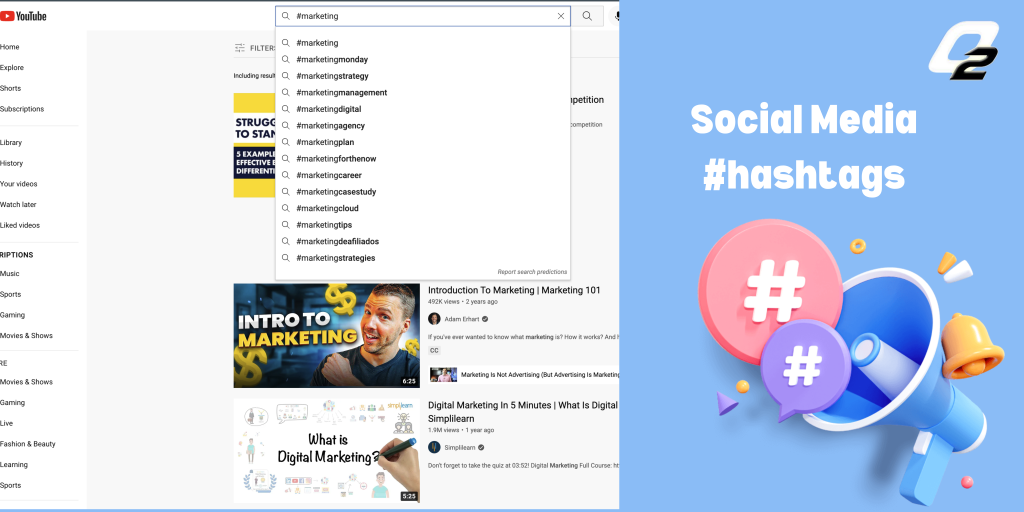
- Tools for Research: Use tools like Hashtagify, RiteTag, or social media insights to analyze hashtags such as #YouTubeShortsViralHashtags, #GamingTop10Hashtags, and #TrendingGamingHashtagsForYouTube. These tools can show their popularity, engagement rates, and reach.
- Competitor Analysis: Study what hashtags successful gaming creators and influencers use in their posts. Popular streamers frequently feature tags like #BestGamingHashtags or #VideoGameHashtags.
- Platform-Specific Trends: Each platform has its own trending hashtags. For instance, #YouTubeTrendingHashtagsForShorts may be popular on YouTube, while #GamingHashtagsForTikTok could trend on TikTok.
2. Mix Broad and Niche Tags
A balanced mix of broad, highly searched hashtags and niche-specific tags ensures that your content reaches a large audience and a more targeted group of users.
- Broad Tags: Widely used tags such as #GamingHashtag, #HashtagsGames, and #GamerHashtags increase exposure to a wider audience.
- Niche Tags: More specific tags like #GamingHashtagsForYouTube or #BestTagsForYouTubeGaming help you target audiences with particular interests.
- Experimentation: Test different combinations of hashtags in your posts. For example, mix tags like #YouTubeShortsTrendingHashtags with #GamingUnlimitedGame to see which combination works best.
3. Optimize for Platforms
Each platform has unique algorithms and best practices for using hashtags. Tailor your hashtag strategy to fit the platform you’re targeting:
- YouTube:
- Include #GameHashtagsForYouTube, #YouTubeShortsTrendingHashtags, and #YouTubeGamingHashtags in your video titles, descriptions, and tags. Also, ensure your gameplay setup, especially for multiplayer or sandbox titles like Minecraft, which is supported by reliable Minecraft hosting, to avoid performance issues during streams.
- Place 2–3 relevant hashtags in your video description to appear as clickable links above your video title.
-
- Add platform-wide trending tags like #BestHashtagsForYouTubeShorts for a better chance of appearing in YouTube Shorts recommendations.
- TikTok:
- Use highly relevant hashtags like #BestGamingHashtagsForTikTok or #GamingHashtagsForTikTok in your captions and ensure they align with your video content.
- Leverage popular gaming trends and challenges by including event-specific hashtags or trending TikTok tags like #TrendingGamingHashtagsForTikTok.
- Keep a mix of hashtags with viral potential and ones tied to specific gaming communities.
- Instagram:
- Add hashtags like #InstagramGamingHashtags in your posts, captions, and Stories to boost engagement.
- Use Instagram’s Explore page to find trending tags and test new ones regularly, such as #BestGamerHashtags and #HashtagsGamers.
- Include niche tags like #VideoGameHashtags to ensure your posts appear in relevant search results.
4. Stay Relevant and Update Regularly
Gaming trends change frequently, so your hashtag strategy should evolve.
- Follow Industry News: Stay informed about popular games, updates, or tournaments. For example, if a new game is trending, use tags like #HashtagItGame or #TrendingGamingHashtagsForYouTube to align your content with the buzz.
- Seasonal Updates: Adjust your hashtags for seasonal events, such as holiday-themed gaming content, using relevant tags like #BestTagsForGamingEvents.
5. Create Custom Hashtags
Use a hashtag generator for creating branded hashtags that establish your identity and build a loyal following.
- Brand Recognition: Use a custom tag like #YourGamingChannelName to encourage viewers to tag your brand in their posts, promoting user-generated content.
- Campaign-Specific Tags: Create unique hashtags for specific promotions, events, or series, such as #YourGameChallenge or #GamingStreamWithYou.
6. Limit Hashtag Usage Appropriately
While adding hashtags can boost visibility, overloading your post with irrelevant or excessive tags may hurt your engagement.
- Platform Guidelines:
- On Instagram, stick to 20–25 hashtags per post, focusing on relevance.
- On YouTube and TikTok, limit hashtags to 5–10 highly targeted ones for maximum impact.
- Relevance Over Quantity: Choose quality over quantity. Ensure every hashtag adds value to your post.
Creating Your Gaming Hashtags
Custom gaming hashtags are a powerful tool to enhance your brand identity and connect with your audience personally. These hashtags make your content easily identifiable and encourage your community to participate in your gaming journey. Here’s how you can create and effectively use personalized gaming hashtags:
1. Keep It Short, Memorable, and Relevant
- A good hashtag should be easy to type, remember, and recognize. Long or complex hashtags may discourage users from using them.
- Example: Instead of something lengthy like #EpicAdventuresInCallOfDuty, try #EpicCODPlays for simplicity.
- Make sure it reflects your gaming style, series, or community spirit. For instance, #LevelUpWith[YourName] is catchy and resonates with gamers.
2. Align It with Your Content or Branding
- Ensure your hashtag represents your unique gaming content, style, or persona—for example, if your content focuses on gameplay tutorials, use #[YourName] GamingTips.
- Incorporate game-specific or genre-specific elements to target your niche audience. For example, if you stream RPGs, try hashtags like #RPGWith[YourName] or #AdventureWith[YourName].
3. Promote Your Custom Hashtags
- To increase visibility, include your hashtag in all your posts, whether on Instagram, YouTube, TikTok, or Twitter.
- Feature it in your video intros, overlays, or captions. For example, add #PlayWith[YourTag] to your Twitch streams or YouTube Shorts.
- Encourage your followers to use your hashtag when sharing gaming moments or responding to challenges. A good example is starting a challenge like #[YourName]GamingChallenge.
4. Run Contests and Campaigns
- Launch hashtag-based campaigns to engage your audience. For instance, run a giveaway contest where participants must use their hashtag #WinWith[YourName] or #BattleWith[YourTag] to enter.
- Highlight user-generated content under your hashtag, giving followers recognition and encouraging more participation.
5. Combine with Popular Tags
- Pair your custom hashtag with trending hashtags like #GamingHashtags, #VideoGameHashtags, or #YouTubeShortsTrendingHashtags to boost its reach.
- This strategy ensures your content is discovered by your existing audience and new viewers searching for related tags.
Best Practices for Gaming Hashtags
1. Stay Relevant
Ensure your hashtags match the content—for instance, use #GamingTop10Hashtag for ranking-related videos or posts.
2. Avoid Overloading
Using too many hashtags like #GamingHashtagsForYouTube and #GamingHashtagsForTikTok together might dilute your focus. Stick to 5–10 highly targeted hashtags per post.
3. Analyze Performance
Monitor the success of hashtags such as #BestTagsForYouTubeGaming or #Gaming#Tags using analytics tools to refine your strategy.
Conclusion
Gaming hashtags are powerful tools for gamers and content creators who want to build their audience, increase engagement, and establish their brand. By using the right hashtags, such as #GamingHashtagsForYouTube or #BestGamingHashtagsForTikTok, you can maximize your content’s visibility and impact across platforms. Start experimenting with these strategies today, and watch your gaming community grow!