
by Shashikanth Heerekar | Nov 22, 2025 | Digital Marketing, SEO News
Improve your
search engine positioning in India with proven strategies, ranking factors, common pitfalls, and expert insights. Boost visibility, authority, and long-term online growth.
Introduction
Search engine positioning plays a vital role in determining how easily your business is discovered online. In a fast-growing digital market like India, visibility can directly influence credibility, customer trust, and competitive advantage. When your website appears in strong positions for targeted searches, it attracts more traffic without paid promotions. Understanding search engine positioning helps you build smarter strategies that improve reach, engagement, and long-term online growth.
The Fundamentals of Search Engine Positioning: Key Concepts and Terminology
Search engine positioning revolves around how prominently your website appears for specific search queries. To understand it clearly, it’s important to explore the foundational concepts that guide ranking and visibility on platforms like Google, Bing, and emerging AI-driven search tools.
1. Search Intent
Search intent reflects the purpose behind a user’s query—whether they want information, directions, comparisons, or services. In India’s diverse digital environment, understanding intent is crucial because users rely heavily on search engines for quick solutions. When your content addresses the exact intent behind a query, search engines reward your page with better placement.
2. Content Relevance and Quality
Content relevance is determined by how well your page answers a user’s query. High-quality content is clear, original, and helpful. It uses simple language, accurate information, and organized formatting. Search engines recognize when your content genuinely helps users, and they prioritize such pages. In India’s competitive online sectors—like education, healthcare, and e-commerce—quality becomes a major differentiator.
3. Keyword Optimization
Keywords help search engines understand context. Effective optimization requires naturally integrating keywords into titles, headers, and the content body without stuffing. India-specific long-tail keywords, local dialect variations, and regional search patterns can also play a significant role in increasing visibility and relevance.
4. Authority and Trust Signals
Authority is built through credible backlinks, consistent updates, and trustworthy information. Indian users often search for dependable sources before making decisions, so websites with strong authority perform better. Search engines measure trust through site security, accuracy, and external validation. The stronger your credibility, the more likely your website will secure prominent positioning.
Analyzing the Current Landscape of Search Engine Positioning
The search engine positioning landscape in India is evolving rapidly due to rising internet adoption, mobile-first usage, and increasing reliance on digital solutions. India’s digital audience spans multiple languages, regions, and browsing habits, making the environment more dynamic than many global markets. As users turn to search engines for everyday needs, brands face growing competition for visibility.
Smartphones dominate India’s online activity, which makes mobile performance a crucial factor in search visibility. Google’s mobile-first indexing prioritizes websites that load quickly, adapt to different screen sizes, and provide smooth navigation. Pages that fail to meet these basic expectations lose visibility even if their content is strong.
Artificial intelligence and machine learning have significantly changed how search results are ranked. Search engines now understand conversational queries, local nuances, and contextual relationships between topics. This means that content must be more natural, more specific, and more engaging. Traditional SEO tactics alone are no longer enough to stay competitive in India’s search environment.
Additionally, competition has intensified across industries like finance, healthcare, education, real estate, and local services. Many Indian businesses are investing heavily in digital marketing, making search engine positioning more challenging. To stand out, websites must not only provide valuable content but also optimize technical performance and user experience.
The rise of voice search in India, fueled by affordable devices and multilingual support, adds another layer of complexity. Users increasingly rely on voice commands in English and regional languages. This shift demands more conversational and intent-driven content to align with how people naturally speak.
Overall, India’s search positioning landscape demands adaptability. Businesses that adjust to changing behaviors, update their content regularly, and focus on user-centered performance will see stronger, more sustainable search visibility.
Critical Factors Influencing Search Engine Rankings
1. Content Relevance and Depth
Search engines prioritize content that thoroughly answers user questions. In India, where users come from varied backgrounds and information needs, clarity and depth matter greatly. Detailed explanations, practical insights, and structured content show value and expertise. Such pages keep users engaged longer, signaling strong relevance to search engines.
2. Website Performance and User Experience
Fast performance is essential, especially in India, where internet speeds vary across regions. Websites that load quickly, work flawlessly on mobile devices, and offer smooth navigation tend to rank higher. Search engines monitor bounce rates, session duration, and interaction levels to understand user experience. A well-optimized, responsive website encourages users to stay longer and explore more content.
3. Backlinks and Domain Authority
Backlinks remain one of the strongest ranking signals. When trusted Indian or international websites link to your content, it enhances your authority. Search engines value high-quality, relevant links over sheer quantity. Strong domain authority reflects credibility, expertise, and trustworthiness. Earning backlinks through original research, helpful articles, and digital PR strengthens your overall ranking potential.
Proven Strategies for Enhancing Your Search Engine Positioning
Boosting your
search engine positioning requires a balanced mix of content strategy, technical improvements, and user-centered optimization. Begin by researching the keywords and phrases Indian users commonly search for in your industry. Use these terms naturally throughout your pages while keeping your writing helpful and readable.
Refreshing older content is another powerful strategy. Many Indian users search for updated information, especially in niches like finance, travel, and technology. Updating outdated sections, adding local examples, and incorporating new statistics help keep your content relevant. Search engines prefer websites that remain active and useful.
Technical enhancements also play a major role. Focus on improving load speed, optimizing images, compressing files, and ensuring mobile responsiveness. In India, where a significant portion of users browse on mid-range smartphones and variable network speeds, fast performance directly influences search visibility.
Strengthening your website’s authority is equally important. Earning high-quality backlinks from reputable Indian websites, blogs, or media outlets increases trust. Engaging in collaborations, guest posts, and industry discussions helps your website grow in recognition. Publishing unique insights or data makes your content more link-worthy.
Finally, regularly track your performance through analytics tools. Observing patterns in user behavior, traffic sources, bounce rates, and ranking changes helps you adjust your strategy. Search trends evolve quickly in India, so staying informed and flexible ensures long-term success. A consistent, well-rounded approach to content, performance, and authority builds a strong foundation for high search engine positioning.
Common Pitfalls to Avoid in Search Engine Positioning
1. Keyword Stuffing
Overloading your content with keywords disrupts readability and may lead to penalties. Users in India expect natural, helpful writing, and search engines now recognize when keywords feel forced. Focusing on clarity and value always produces better results.
2. Ignoring Mobile Optimization
With the majority of Indian users browsing on smartphones, poor mobile optimization can severely hurt rankings. Slow loading times, broken layouts, or complicated navigation push users away and signal poor quality to search engines.
3. Publishing Thin or Low-Value Content
Short, generic, or repetitive content rarely performs well. Users want clear explanations, practical advice, and trustworthy information. Shallow content sends negative engagement signals and limits your visibility.
4. Neglecting Technical SEO
Missing metadata, broken links, slow speeds, and unoptimized images all weaken your ranking potential. Technical
SEO services ensures your website is fully accessible and easy for search engines to evaluate.
5. Overlooking Backlink Quality
Not all backlinks help. Low-quality or spammy links can harm your reputation. Search engines prefer a few strong, relevant links over hundreds of weak ones. Focus on earning links from credible Indian and global websites.
6. Failing to Monitor Performance Metrics
Without regular analysis, it’s impossible to understand what’s working. Many websites lose positioning simply because they ignore trends, ranking changes, and shifting user behavior. Tracking performance ensures steady progress and timely adjustments.
Conclusion
Strengthening your search engine positioning in India requires a blend of relevant content, strong performance, and credible authority. When you focus on delivering genuine value and enhancing user experience, your website becomes more visible and trustworthy. Consistency, adaptability, and strategic refinement help you stand out in a competitive digital landscape and build long-term online success.
FAQs
1. What does search engine positioning mean for Indian businesses?
Search engine positioning refers to where your website appears in search results when Indian users search for specific terms. A higher position means more visibility, traffic, and trust. Since most buyers in India research online before making decisions, strong positioning helps you stand out and reach your audience more effectively.
2. How long does it take to improve my website’s ranking in India?
Improvement timelines vary depending on competition, industry, and your current website health. Generally, noticeable progress can take a few weeks to a few months. Consistent updates, quality content, technical optimization, and strong backlinks accelerate growth. Patience and ongoing effort are key to achieving stable, long-term visibility.
3. Do backlinks matter for rankings in India?
Yes, backlinks remain very important. When trusted Indian or global websites link to your content, it tells search engines that your information is credible. High-quality backlinks improve your authority and boost your chances of ranking higher. Focus on earning natural, meaningful links rather than collecting large numbers of weak ones.
4. Why is mobile optimization so critical for Indian websites?
India has one of the world’s largest mobile-user populations. Most people browse the internet on smartphones, so a website that loads slowly or performs poorly on mobile devices loses engagement quickly. Search engines prioritize mobile-friendly sites, making optimization essential for stronger rankings and better user experience.
5. How can I maintain long-term search engine visibility?
Long-term visibility comes from consistency. Regularly update your content, track performance, improve technical health, and continue building authority through quality backlinks. Stay aware of changing search trends in India and adjust your strategy accordingly. With steady effort, your rankings will grow and remain stable.
by Shashikanth Heerekar | Sep 25, 2024 | All Things about Marketing
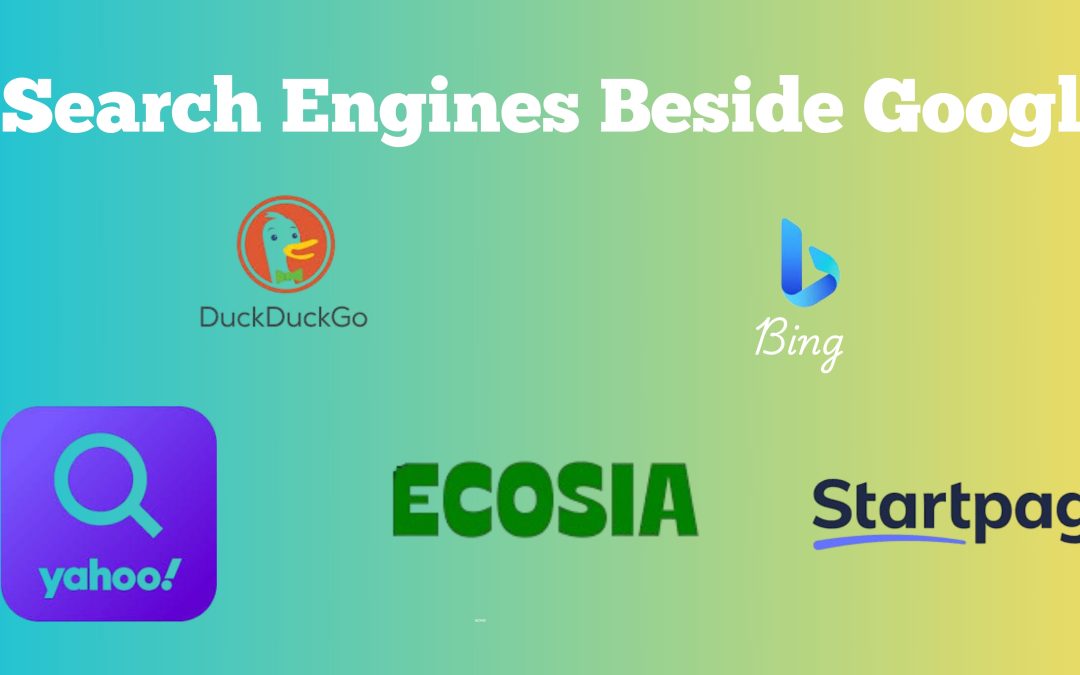
Discover five search engines you might not know about that offer great alternatives to Google, each with unique features and benefits.
Introduction to the Importance of Diversifying Search Engine Usage
We live in an era where information is at our fingertips, and how we access it largely depends on search engines. While Google has long been the dominant player, several other great search engines offer unique features and benefits.
Relying solely on Google can limit your search results, personalization options, and privacy. By diversifying your search engine usage, you can enhance your online experience and discover new perspectives, tools, and information that might be less visible on Google.
5 Search Engines You Should Try Instead of Google
Bing
Bing is Microsoft’s search engine and offers many features similar to Google’s. It has powerful search capabilities, especially for image and video searches, which many users prefer over Google’s results. Bing integrates with Microsoft products and offers a rewards program where you can earn points for your searches, which can be redeemed for gift cards and other perks. It’s a solid alternative if you’re looking for something familiar but want to try another search platform.
DuckDuckGo
DuckDuckGo is the go-to option for anyone concerned about privacy. Unlike Google, it doesn’t track your searches or gather personal data, making it ideal for keeping your browsing activity private. DuckDuckGo offers clean, unbiased search results, so what you see is based purely on relevance, not your previous search history. This search engine has grown popular for those seeking a more secure browsing experience without personalized ads following them around the web.
Ecosia
Ecosia is a search engine with a cause. For every Search made on its platform, Ecosia plants trees. Ad revenue funds tree-planting projects worldwide, making Ecosia a perfect option for environmentally conscious users. Though it pulls search results from Bing, Ecosia adds the satisfaction of contributing to a greener planet. If you want your online activity to have a positive environmental impact, Ecosia is an excellent choice.
Yahoo! Search
Yahoo has been around for decades and still offers a reliable search engine. While it doesn’t have the market dominance it once did, it’s a solid option, especially for those who use Yahoo’s other services, like Yahoo Mail or Yahoo Finance. Yahoo!Search pulls its results from Bing, but it has its look and additional features. It’s a good alternative if you want a more news-focused homepage while searching.
Startpage
Startpage takes a unique approach by combining the power of Google’s search results with DuckDuckGo’s privacy. It delivers Google search results without tracking your data or bombarding you with targeted ads, making it a great option if you like Google’s search engine but are concerned about privacy. Startpage also allows for anonymous browsing, keeping your search history and personal data private.
(FAQs)
Why should I consider using a search engine other than Google?
While Google offers excellent search capabilities, using other search engines can provide better privacy and unique features or even support meaningful causes like environmental sustainability. Some platforms, like DuckDuckGo, don’t track your activity; others, like Ecosia, help plant trees with ad revenue.
Which search engine is the best for privacy?
DuckDuckGo and Startpage are the top choices for privacy. DuckDuckGo doesn’t track or store your personal information, and Startpage offers Google’s search results without logging or tracking your data.
What’s the advantage of using Bing over Google?
Bing has a powerful image and video search feature and integrates smoothly with Microsoft services. Additionally, Bing Rewards lets you earn points using the search engine, which can be redeemed for gift cards and other rewards.
Can I get Google-quality search results while protecting my privacy?
Yes, Startpage uses Google’s search engine but removes the tracking and data collection. This way, you get the same quality results as Google but with enhanced privacy protection.
Does Yahoo! Search still offer good results?
Yahoo! Search is still a solid search engine, especially for users using other Yahoo services like Mail or Finance. It pulls search results from Bing but offers a slightly different interface and additional features.
Conclusion
While Google remains the most popular search engine, many great alternatives offer unique benefits. Whether looking for better privacy with DuckDuckGo and Startpage, eco-friendly browsing with Ecosia, or the rich features of Bing and Yahoo! Search, each platform provides a fresh approach to searching the web. Diversifying your search engine usage can lead to more varied results, increased security, and even the ability to contribute to meaningful causes. By exploring these alternatives, you can find the one that best suits your needs while gaining a broader and richer online experience.
by Shashikanth Heerekar | Sep 25, 2024 | All Things about Marketing
Discover essential tips for optimizing content according to Google E-A-T guidelines and improve your website’s performance on search engines.
What is Google E-A-T?
Google E-A-T stands for Expertise, Authoritativeness, and Trustworthiness. These three factors help Google evaluate the quality of websites. In short, Google aims to assess whether your website contains reliable and trustworthy content written by experts. This is especially important for websites offering medical, financial, or legal advice, where accuracy is crucial.
Expertise
Expertise is the depth of knowledge and skill demonstrated in the content provided on a website. It means that the information is created by professionals or subject matter experts who are well-versed in the field. Google values accurate and well-informed content, especially for health, finance, and legal advice, where expertise is crucial for credibility.
Authoritativeness
Authoritativeness is about how well-recognized and respected your website and content creators are within their industry. Websites gain authority through external validation, such as backlinks from trusted sources, mentions in reputable publications, and citations. The more your site is seen as a trusted leader in your niche, the higher its authority in Google’s eyes.
Trustworthiness
Trustworthiness refers to the reliability of your website. This includes ensuring your site is secure (e.g., HTTPS), providing accurate and honest content, and being transparent with users through clear contact details and privacy policies. Positive reviews and testimonials also build trust, making your site more credible to users and search engines.
Why is Google E-A-T Important for SEO?
Google E-A-T SEO is crucial because it affects how Google evaluates a website’s overall quality. If your website demonstrates expertise, authority, and trustworthiness, it will likely rank higher in search engine results pages (SERPs). This can lead to increased stability, traffic, and potential customers. E-A-T is especially important for industries like health, finance, and legal because users rely on trustworthy information in these areas.
How Can You Improve Your Google E-A-T?
Show Expertise:
Ensure your content is written or reviewed by professionals in your field. For example, if you’re in the health industry, having a doctor write or review your content can boost your credibility.
Build Authority:
Get recognized by other reputable websites in your niche. This can happen through backlinks, mentions, or being referenced by authoritative sources.
Gain Trust:
Secure your website with HTTPS, have clear contact details, and provide reliable, well-researched information. Positive reviews and a solid online reputation also help build trust.
Google E-A-T and SEO: What Does This Mean?
Google, what does this mean for your SEO? It means that focusing on just keywords or backlinks isn’t enough anymore. You also need to focus on content quality and your site’s credibility. SEO E-A-T is about creating valuable, trustworthy content that users find helpful.
How to Improve Your Website’s EAT
Improving your website’s E-A-T (Expertise, Authoritativeness, and Trustworthiness) is crucial for enhancing SEO rankings and gaining user trust. Here’s a simple guide to help you increase your site’s E-A-T:
Show Expertise
Ensure subject matter experts write your content. Include author bios that highlight qualifications and experience in the relevant field. Having a certified professional write or review content for industries like health, finance, or legal advice will make a big difference.
Build Authority
Authority is important to being recognized as a credible source. You can build authority by earning high-quality backlinks from reputable websites in your niche. Guest posting, getting mentioned in authoritative articles, and achieving positive reviews also help establish your authority.
Establish Trustworthiness
Trustworthiness is key to user confidence. Make your site secure by using HTTPS. Provide accurate and reliable information with sources or references where appropriate. Transparency is also important, as is the display of contact information, privacy policies, and terms of service. Positive user reviews and testimonials further build trust.
Update Your Content Regularly
Keep your website up to date with fresh and accurate information. Outdated content can harm your credibility. Please review and update your content to ensure it’s relevant and aligns with the latest industry standards.
Focus on User Experience
A well-designed, easy-to-navigate website builds trust. Ensure fast loading times, mobile responsiveness, and a clean layout to make it easy for users to find the information they need.
Cite Your Sources
Whenever you provide statistics, studies, or claims, link to credible and trusted sources, this reinforces the reliability of your content and shows users (and Google) that your information is based on solid research.
Knowing the Importance of Google E-A-T for Website Ranking
Google E-A-T (Expertise, Authoritativeness, and Trustworthiness) plays a crucial role in ranking websites in search engine results. The Google E-A-T algorithm assesses these three factors to ensure users receive accurate and trustworthy information. This is especially critical for websites in industries like health, finance, and legal advice, where the quality of content can significantly impact users.
For SEO, Google E-A-T helps improve rankings by favouring websites that demonstrate expertise through high-quality, well-researched content backed by professionals. Authoritativeness is achieved through positive mentions from reputable sources and backlinks.
On the other hand, trustworthiness involves having secure websites, clear contact information, and user trust signals such as reviews and testimonials. Incorporating E-A-T into your SEO strategy means going beyond just focusing on keywords and links. By improving these factors, your website aligns more with the Google E-A-T algorithm, leading to higher rankings, increased user trust, and better online visibility.
Implementing Google E-A-T Guidelines for Website Success
To achieve long-term success and better rankings, it’s essential to implement Google E-A-T (Expertise, Authoritativeness, and Trustworthiness) guidelines. Here’s how you can do it effectively:
Enhance Expertise
Ensure that experts in your field create content. Include detailed author bios showcasing credentials, experience, and professional background, especially for sites offering advice in critical areas like health, finance, or law.
Build Authoritativeness
Gain backlinks from reputable websites to boost your authority. Collaborate with industry influencers and experts, aiming for mentions from trusted sources. Guest blogging on credible platforms is another way to enhance your website’s authority.
Establish Trustworthiness
To build trust, ensure your website is secure (use HTTPS) and transparent. Display clear contact information, privacy policies, and terms of service. Positive user reviews and a solid reputation online will help enhance trust, which is vital for both users and search engines.
Create High-Quality, Fact-Checked Content
Focus on producing well-researched, accurate, and updated content. Use reliable sources and cite them where necessary. Outdated or poorly researched information can harm your E-A-T score.
Improve User Experience
A user-friendly, fast-loading, and mobile-responsive website helps build credibility. Ensure your website is easy to navigate and the content is well-structured so users can find what they need quickly.
Following these Google E-A-T guidelines can increase your website’s SEO and user trust, positioning it for long-term success.
Frequently Asked Questions
What does E-A-T mean in SEO?
E-A-T stands for Expertise, Authoritativeness, and Trustworthiness. Google uses this framework to evaluate the quality of web content, especially for topics that can significantly impact users’ lives, such as health and finance.
What is Google’s E-A-T framework?
Google’s E-A-T framework refers to the criteria used to assess the quality of websites and their content. It emphasizes the importance of having content created by experts, recognized authority in a particular field, and reliable information to build user trust.
How can I enhance my website’s E-A-T for better SEO?
To improve your website’s E-A-T, focus on creating high-quality content written by subject matter experts, gaining backlinks from authoritative sites, and ensuring your website is secure and transparent. Regularly updating your content and engaging with your audience can also help boost your E-A-T.
Why is E-A-T important for website ranking?
E-A-T is important for website ranking because it helps Google determine which sites provide accurate, reliable, and trustworthy information. Websites that demonstrate strong E-A-T are more likely to rank higher in search results, which can lead to increased visibility and traffic.
How does E-A-T affect user trust?
A website’s expertise, authority, and trustworthiness (E-A-T) influence user trust by ensuring that the content is credible and created by knowledgeable professionals. When users recognize that a site demonstrates expertise and authority, they are likelier to trust the information presented, leading to increased engagement and return visits.
Conclusion
Google’s E-A-T (Expertise, Authoritativeness, and Trustworthiness) is essential for online success in today’s digital landscape. By prioritizing E-A-T in your content strategy, you can adhere to Google’s quality guidelines and enhance your website’s credibility and reliability in users’ eyes. Prioritizing accurate, well-researched, and expert-driven information can significantly improve your search engine rankings, build user trust, and increase traffic and engagement. Strengthening your E-A-T means establishing a reputation as a valuable resource in your niche, essential for long-term growth and success in the competitive online space.